Search
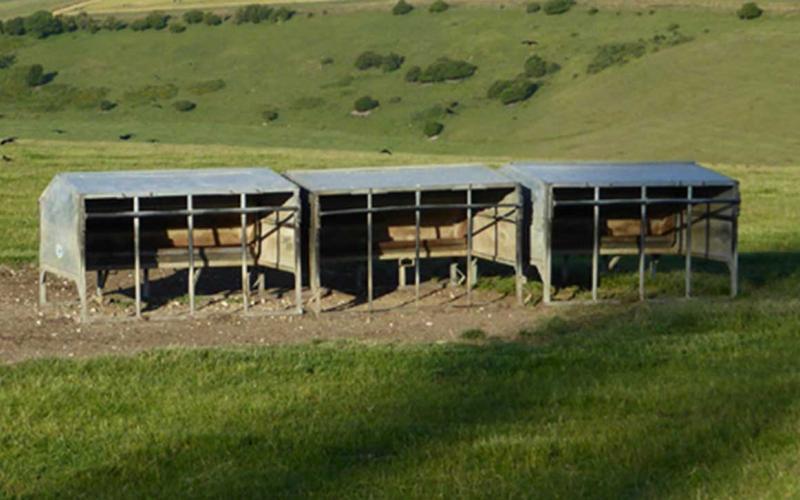
Creep Feeding Options: Will it Pay?
Creep-feeding should be evaluated on yearly basis to determine if it will provide production and economic benefits to the operation.

Bookwork, The Missing Management Component: Depreciation Determination and Use
Another component of determining net income is depreciation. This is one component of the Schedule F that many understand the least. Typically, the most use it gets is to minimize income tax through accelerated tax depreciation under section 179.

2020 Planting Decisions
Planting decisions for this spring are complicated given the recent spread of COVID-19. A very busy planting season is approaching quickly. Input suppliers and farmers will be met with a requirement to complete tasks timely to evade economic losses from delays.
Economic Impact of the Beef Industry on South Dakota
The beef industry in South Dakota makes a significant contribution to economic output and development in the state. As of January 1st, 2012 there were 1,610,000 beef cows in South Dakota. These cows produced 1,710,000 calves during the year and the industry produced an estimated $2,283,766,027 in gross income during 2012 (South Dakota Agriculture 2013).

Agronomic Considerations for Moisture Deficit Conditions
The current soil moisture stress in South Dakota could be more pronounced than we have seen in last few years. If this continues, cropping decisions may need to be adjusted for the upcoming growing season.

Changes to the Commodity Title from the One Big Beautiful Bill Act: Impact on South Dakota crops
The One Big Beautiful Bill Act contains several changes to the Title I Commodity Programs. Learn how these changes may impact crops in South Dakota compared to crops grown in other regions in the United States.
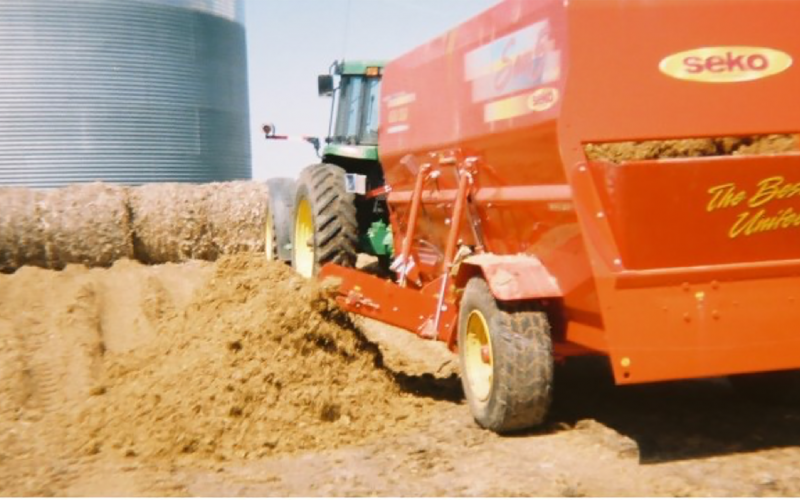
Storing Wet and Modified Distillers Grains
One of the primary challenges for livestock producers in the coming months could very well be feedstuff cost and availability due to the fact that the corn planted acreage and crop progress are both well behind normal benchmarks. One opportunity that might help cattle feeders proactively secure feed supplies would be storing wet or modified distiller’s grains now to be fed at a later date.
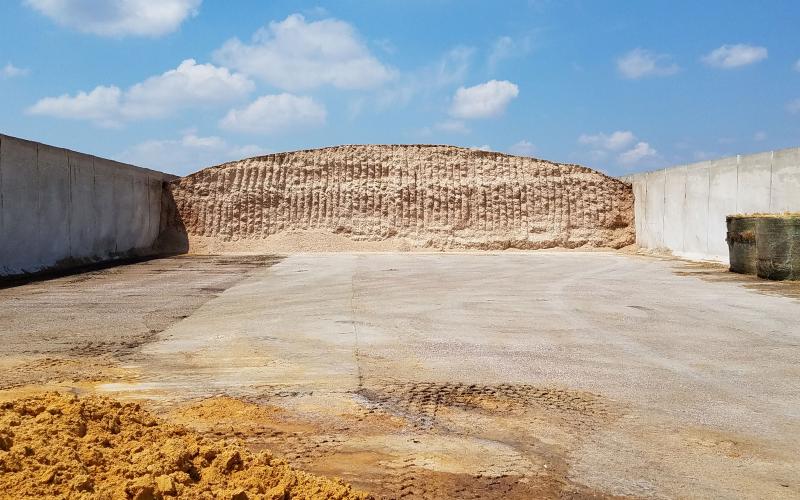
Valuing High-Moisture Corn and Earlage
A key advantage to using commodities that meet standard specifications and are frequently traded is that it is very easy to establish an economic value that is accepted by most users. The marketplace sets the value of corn, and other feedstuffs on a daily basis, provided those products meet some set of standard specifications.
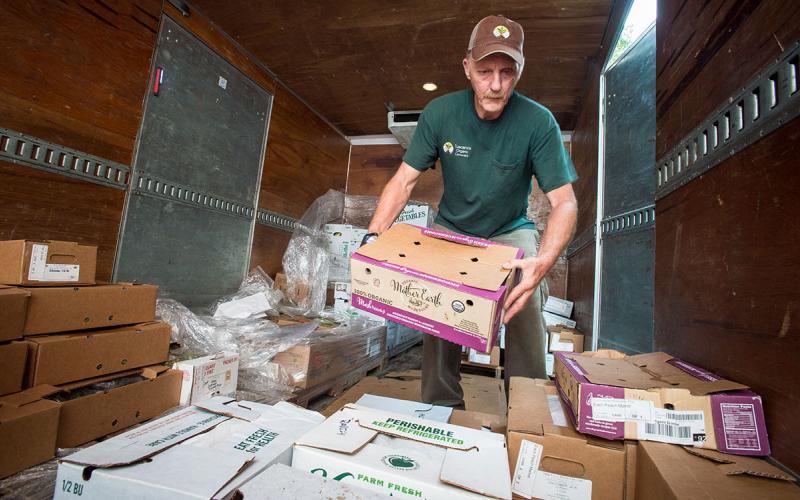
Regulatory Guidance for Selling Foods in South Dakota
Now more than ever, we are seeing food processors and entrepreneurs in South Dakota bringing their food products, not only to farmers markets, but also to retail stores. This article provides regulatory guidance and outlines the necessary steps required to allow for the sale of foods to retail stores.
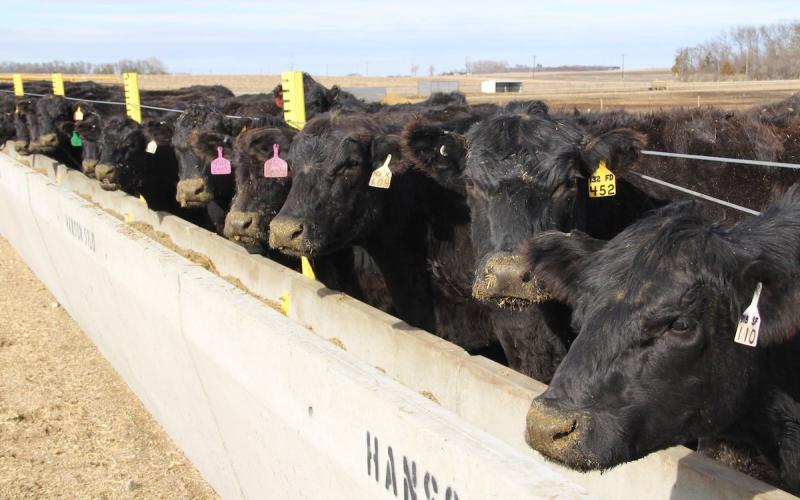
Live Cattle Basis
Futures prices are from organized trades that provide price information for buyers and sellers of commodities. Local cash prices can be compared to futures prices using a basis measure. With an expected basis measure, producers can observe futures prices and infer cash prices.