Search

Large Farms More Dominant in South Dakota Crop Production
Large farms play a more dominant role in South Dakota crop production, according to the recently released 2017 U.S. Census of Agriculture. As of 2017, large farms of more than 2,000 acres operate 66.8% of South Dakota total cropland aces compared to 47.7% as of 1997.

South Dakota Remote Works Training Resumes in September
October 26, 2021
Established in January of 2021, the program is a collaboration with Utah State University's Rural Online Initiative that provides "specialized remote work training to individuals for success in a rapidly changing economy."
Time to Sign up for 2018 Farm Bill
This winter it is time to study up on the Farm Bill elections and make an appointment with the local Farm Service Agency (FSA) in order to put the program in place for the farm. The deadline to make the election is March 15, 2020.

Should We Sell Corn Stalks?
Grazing and baling corn stalks can offer producers financial and agronomic benefits, and also provide feed resources for cattle producers. Learn how to determine if it's the right decision for your operation.
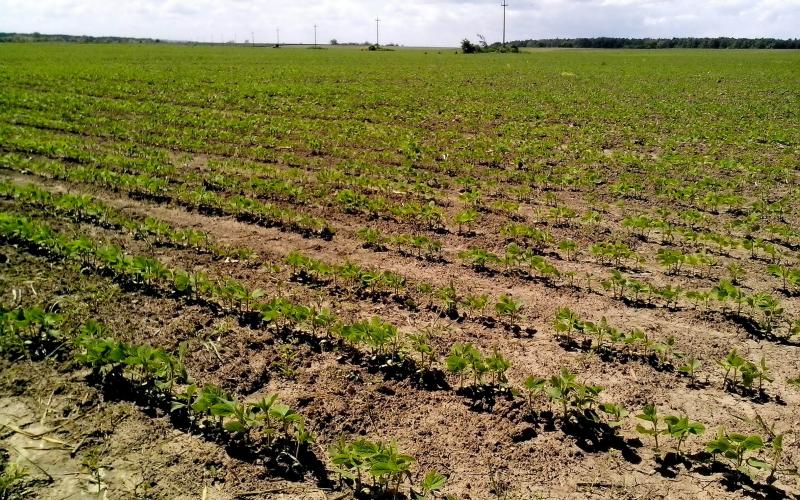
Soybean Production: Cost-effective pest management practices
Chemicals were one of the most expensive individual costs in soybean production, behind only to seed in the non-land cost category. The average cash-rent soybean production farms incurred a crop chemical cost of $39/ac in 2015, an 88% increase from 2010.
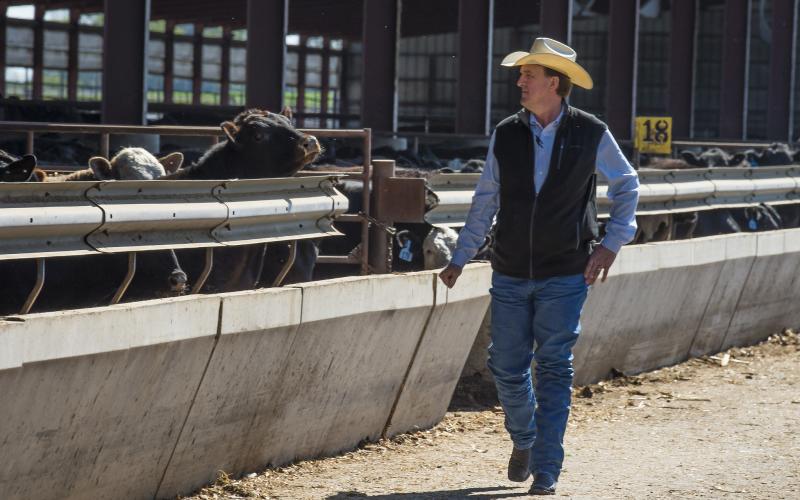
Making Use of “Ugly” Feeds
Feed does not have to be perfect to be useful. The key to making smart feeding decisions is knowing what the imperfections are and adjusting accordingly.
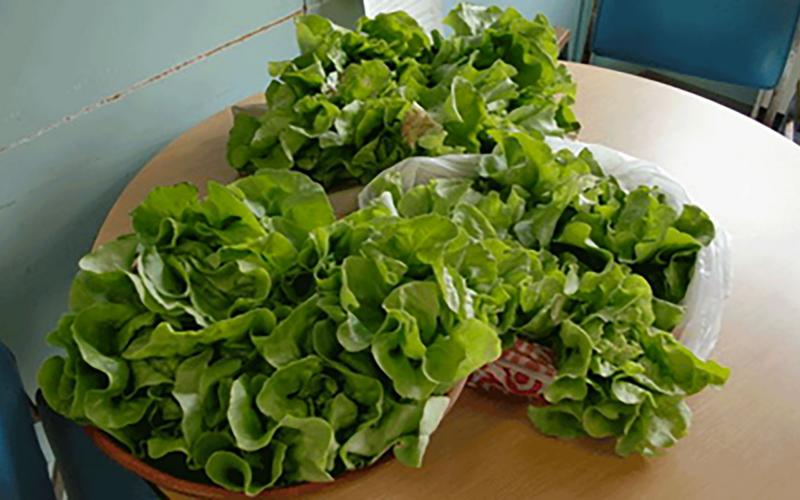
Best Practices When Harvesting Leafy Greens for Market and Home
The harvesting of leafy greens to maintain quality and safety focuses on the key risk factors from the time harvest begins to selling at market. The food safety risk factors involve temperature, time, water, worker hygienic practices, and food contact surfaces.
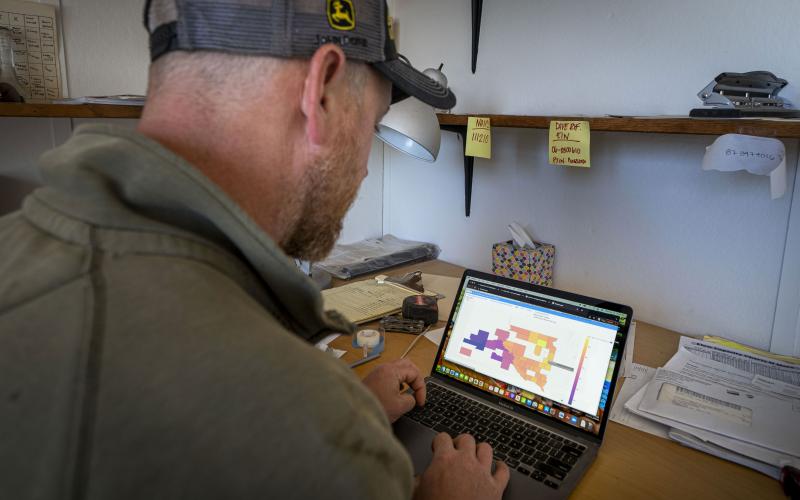
South Dakota Ag Land Income Tracker
The South Dakota Ag Land Income Tracker is designed to estimate and display changes to the annual revenue per acre derived from standard agricultural practices on an average, unimproved cropland acre in South Dakota counties.

Are Chamber Bucks a Thing of the Past or Still a Viable Economic Development Tool?
For many communities, Chamber Bucks, sometimes called community gift certificates or local currency, have been a long-standing tradition. Today, they remain a simple, meaningful way to keep dollars working close to home while supporting businesses that invest in your community.
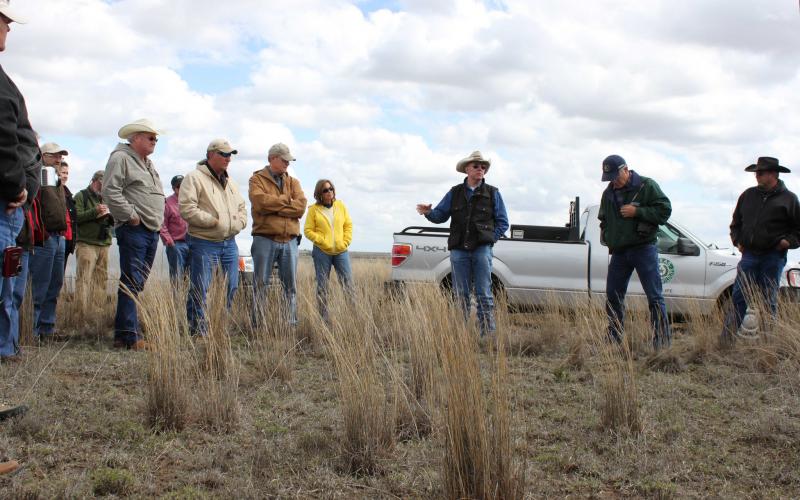
Advocacy in the Beef Industry
Two speakers at the Range Beef Cow Symposium addressed today’s issue of disconnect between consumers and producers. With the majority of the population being at least three generations removed from the family farm, it is important for farmers and ranchers to tell their story and help the consumer understand how their food is produced.