Search
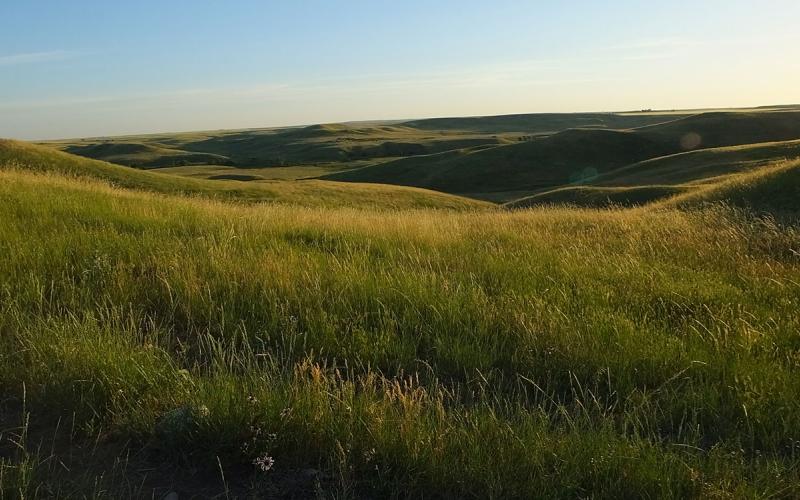
How Much South Dakota Agricultural Land Lost to Development?
Fact sheet on the amount of South Dakota agricultural land lost to development between 2001 and 2021.
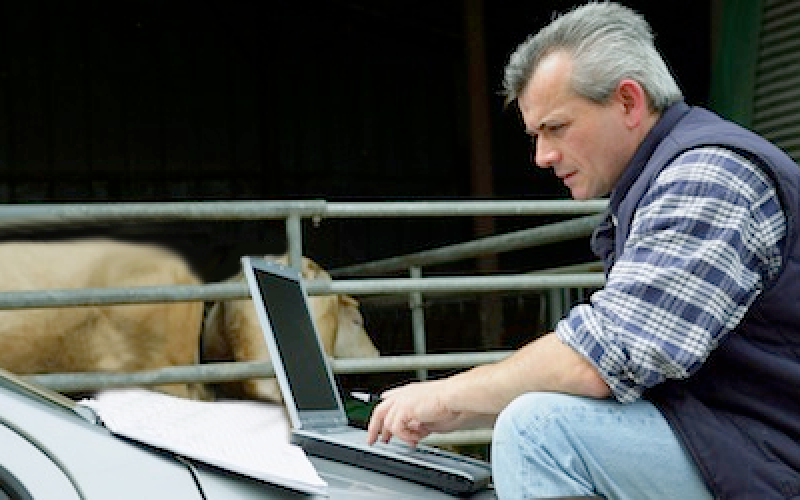
Opportunities for Open Cows
It’s that time of year when driving along the countryside or sitting in the sale barn cows start to show up with an “O” drawn on her side as the Veterinarian called her open on pregnancy check day.
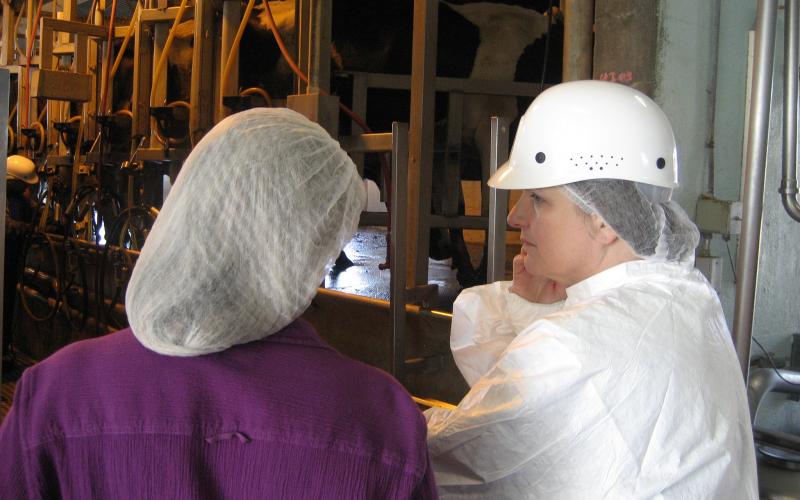
Challenges of Employee Turnover: Product quality and consistency
High employee turnover can lead to inconsistent animal production or potentially lower quality products, both meat and milk. How is this possible? Is it because cattle get accustomed to routines and the people who perform tasks in their home environment?
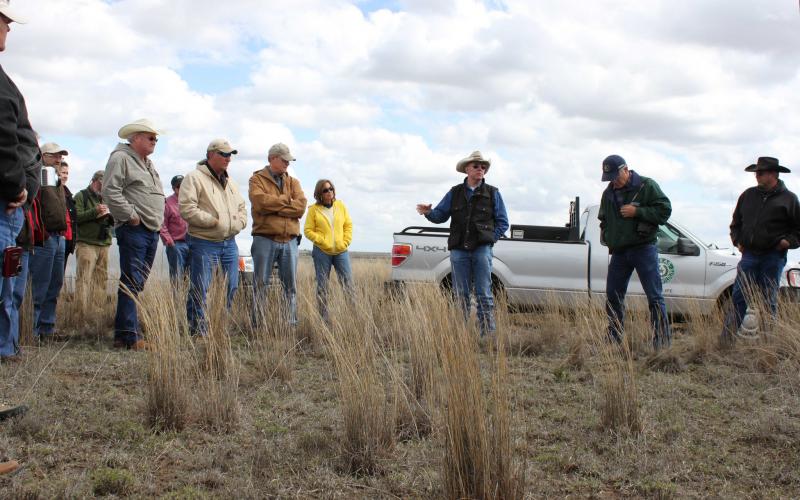
Advocacy in the Beef Industry
Two speakers at the Range Beef Cow Symposium addressed today’s issue of disconnect between consumers and producers. With the majority of the population being at least three generations removed from the family farm, it is important for farmers and ranchers to tell their story and help the consumer understand how their food is produced.
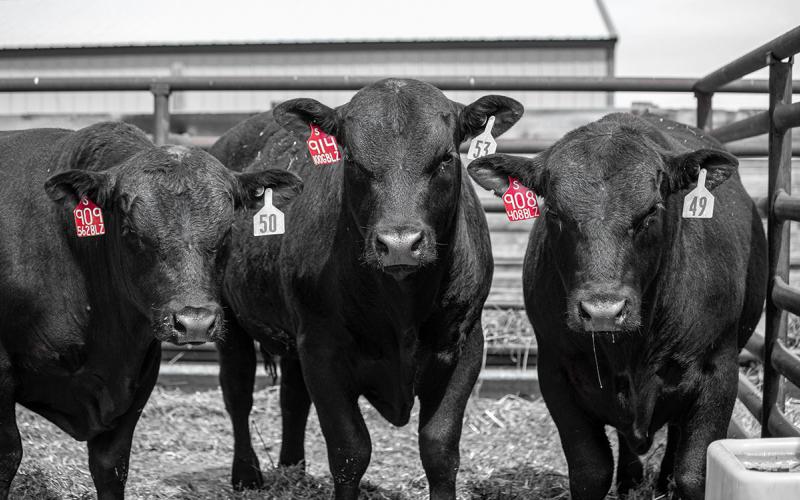
Buying Bulls With a Plan
Selecting new herd sires is an annual process for beef producers. Learn tips for selecting the correct herd sire for your operation that will progress your operation and improve your cattle.
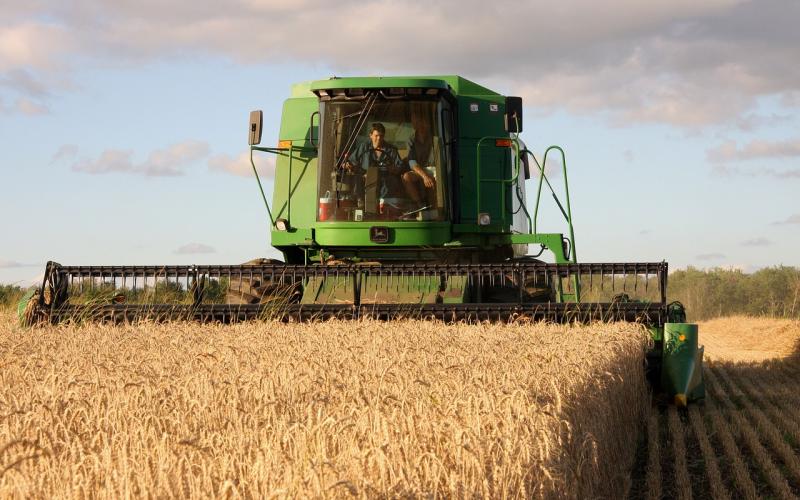
Factors Affecting Wheat Production Decisions: Producer survey findings
Recent USDA data shows that during the past 3 years acres devoted to wheat production continue declining in both South Dakota and North Dakota (USDA, 2018). South Dakota wheat acres experienced a remarkable decrease of 31.5% during the past 3 years, compared with a relatively mild drop of 16.4% by North Dakota.
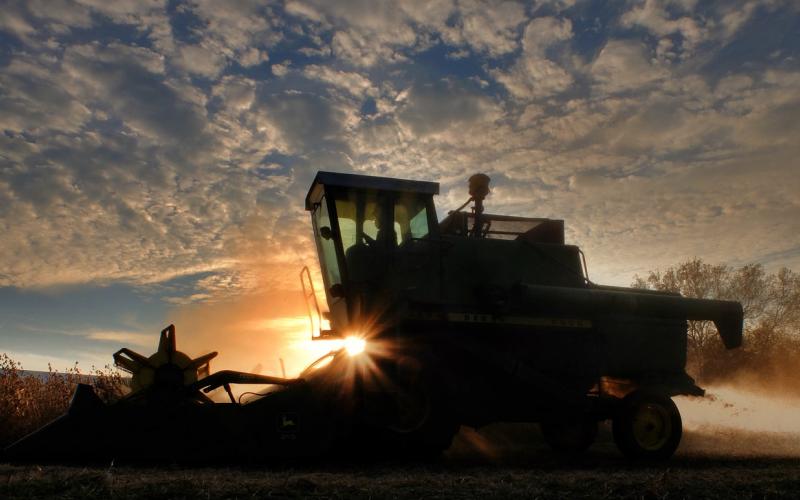
Trade Impacts on Soybeans
Agricultural trade agreements were first established in the General Agreement on Tariffs and Trade (GATT), legal treaty signed initially by 23 nations in 1947. The purpose was to promote international trade by reducing barriers such as tariffs.
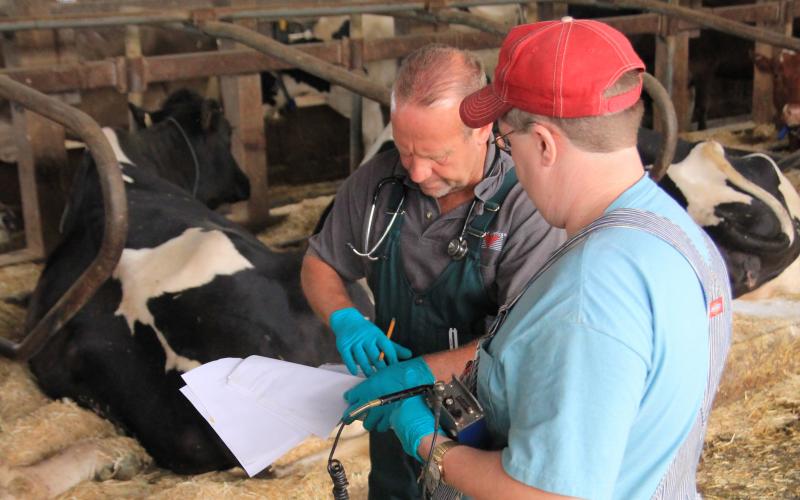
Coaching for Performance
One of the most difficult things for farm managers/owners to master is coaching employees for optimal performance.
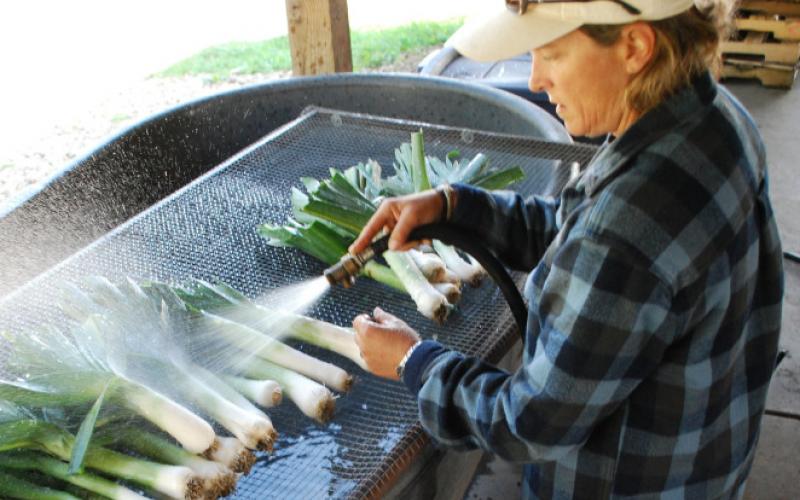
Food Safety Rules for Fruit & Vegetable Growers: FAQ
It seems rules and guidelines for growing fresh produce safely are constantly changing, as new laws and regulations are implemented each year.
Simplifying the Replacement Heifer Dilemma: To Buy or To Raise?
Purchasing or raising replacement females represents a significant investment for cow/calf operations and the impact may be felt for years after.