Search
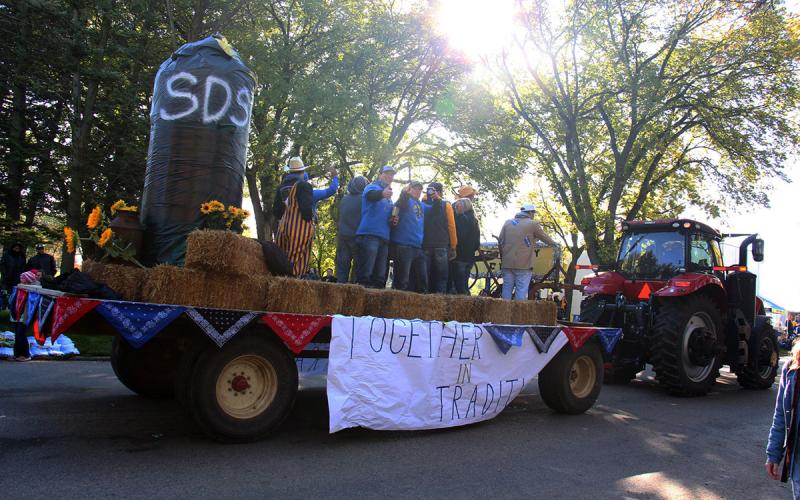
South Dakota Fairs and Festivals - Part One: Festival Deserts, Festival Revival, and Festival Impacts
In South Dakota, many fairs and festivals take place in late summer or fall to celebrate a successful harvest, and the ways of life that made it possible. Learn about the impacts of these festivals and why they are worth preserving, developing, and re-imagining.
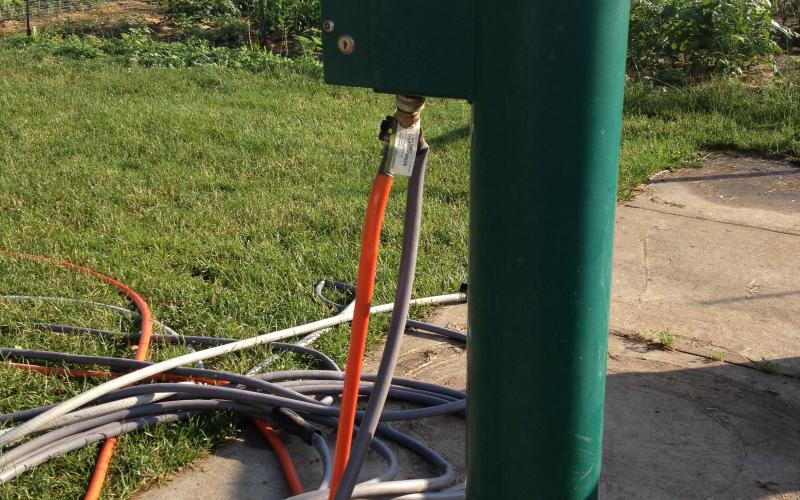
Community Gardens: Budget & Fees
In order to have a sustainable project, it is very important to identify all of the expenses that are involved in the operation of your community garden. Are there costs associated with utilizing the site, site preparation (tilling, plowing, soil testing, or soil amendments), on-site resources (hose, fencing, or shared tools), marketing the garden, water usage, or insurance?
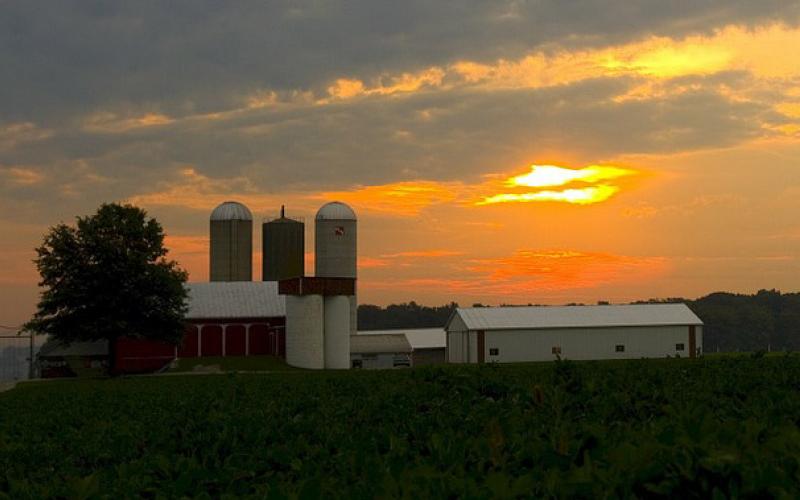
USDA-ARMS Survey Data: Benefits for university agriculture research & outreach
Conducted since the mid-1990s, the USDA Agricultural Management Resource Survey (ARMS) is a multi-phase, multi-level nationwide survey of agricultural producers that collects information on a large sample of farms and their characteristics.

Bookwork, The Missing Management Component: Consistency of Financial Records
Consistent record keeping will allow for accurate ratios and trend analysis. While operations will change, grow, or contract, having a standard operating procedure will allow for analysis and decision-making.
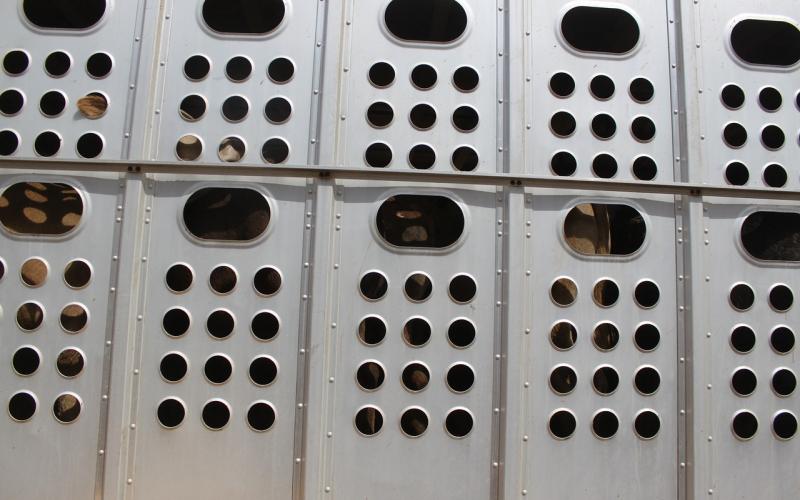
Livestock Emergency Response Planning (LERP)
The scene of an accident is not the place to build your team!
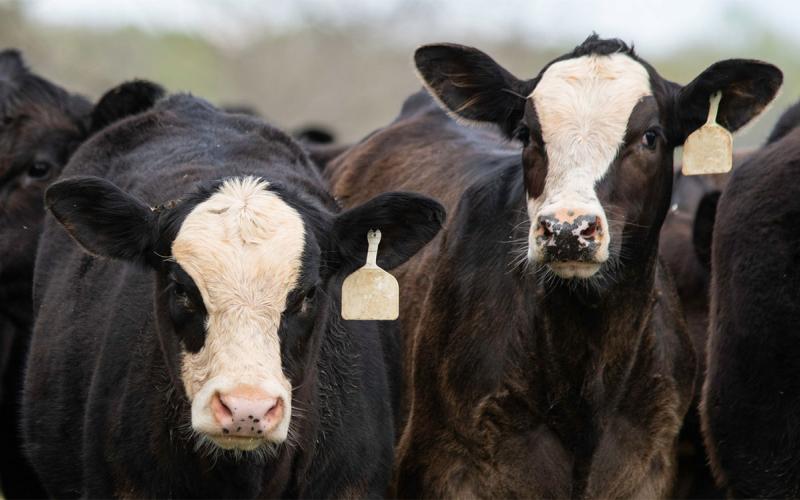
Sell the Feeder Calf, or Create a Yearling?
Fall brings many weaning and selling time decisions for cattle operations. Learn some expert tips for evaluating your current situation and making informed management decisions given the price of calves, feed, and the futures market.
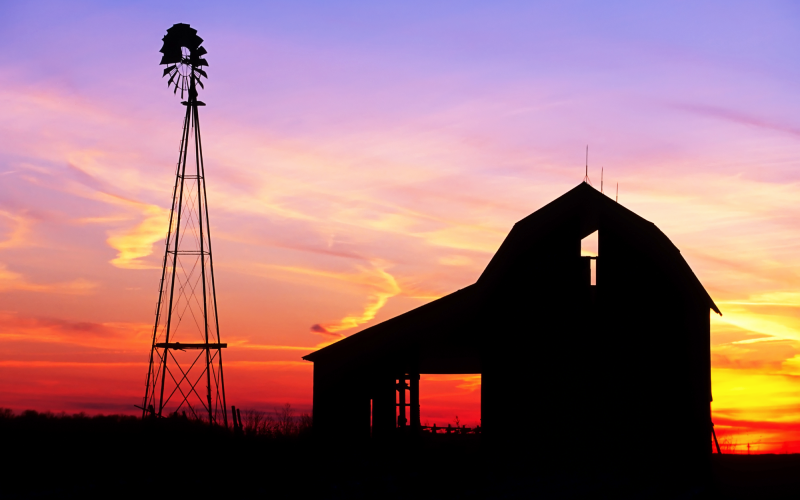
SDSU Extension to host farm, ranch estate planning series
October 18, 2024
The conference provides farmers and ranchers with three days of information on creating their plan, no matter how big or small the operation. All members involved in the operation are encouraged to attend together.
Farming Strategies for the Future
There was a time in agriculture when greater yields always meant greater profitability. Today’s economic environment is characterized by high input costs and depressed commodity prices. Under this scenario when the optimum input/output relationship has been attained, more inputs do not necessarily result in greater returns on investment. Therefore, todays’ agriculture paradigm requires management that addresses production “optimization”. This is the point where a previously known level of inputs maximizes outputs before incurring into greater investments that result into diminishing returns.
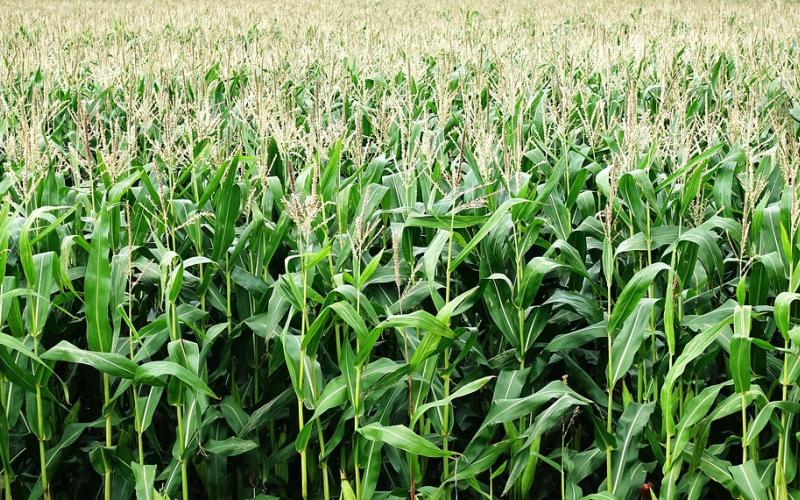
Corn Production Costs in the Northern Great Plains
Supply and demand regulates U.S. agricultural and non-agricultural markets all the time. Prices increase when scarcity of a certain item is anticipated. Similarly, prices drop if the market is saturated because of oversupply or there is a reduced demand for the product.
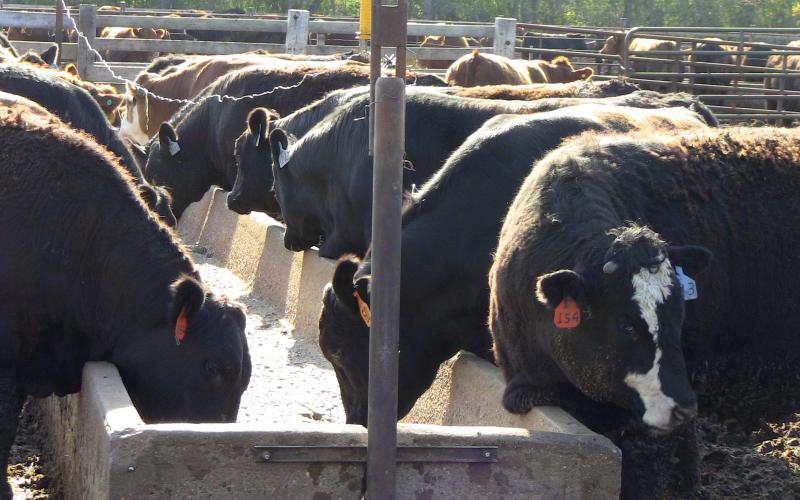
Let’s Talk BQA Assessments
Simply put, BQA assessments are a review of a farm or ranch by an assessor that helps managers benchmark their current level of cattle care and discover areas they may be able to improve.