Search

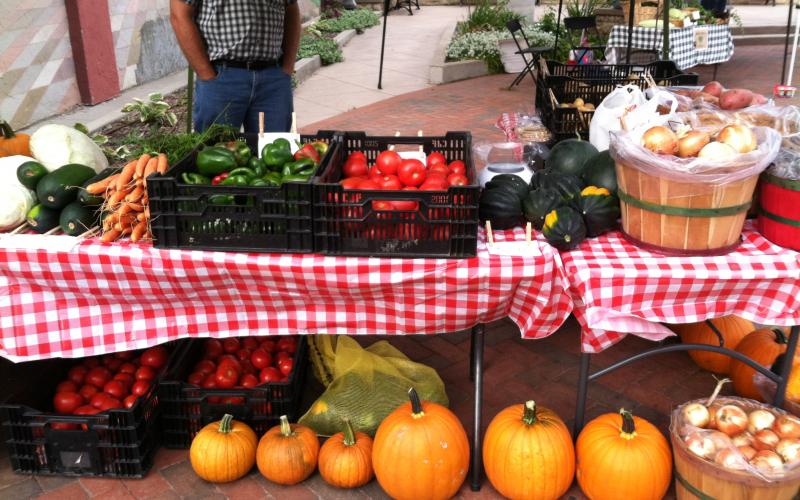
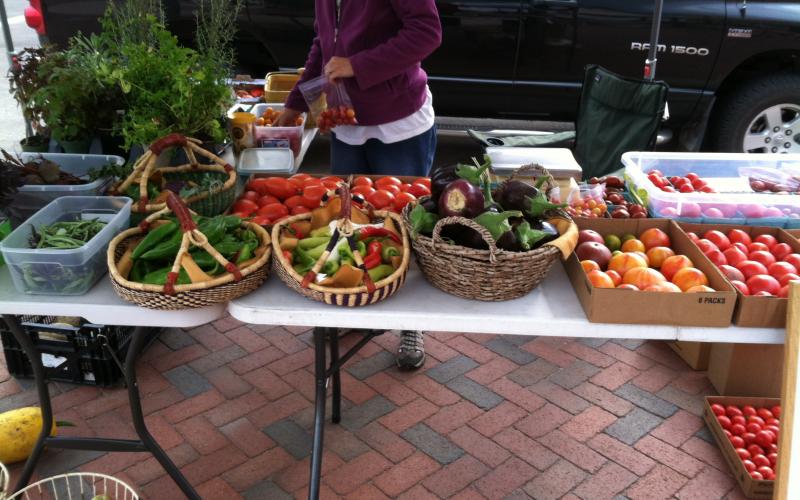
Variety of fresh vegetables in blue plastic totes on a table at a farmers market.

Food and Product Regulations for the Farmers Market

Food safety regulations can come from the federal, state or local government. This article provides information on numerous regulatory topics as they apply to vendors and market managers involved with farmers markets.

Two female vendors serving a young girl and boy at a vendor stall at a farmers market.

Decisions for Farmers Market Setup and Operation

Farmers markets are unique because they represent multiple, individual vendors under a single name, location and organizational identity. Before the first selling day, a farmers market will need to do many of the things that each vendor does for their farm. For example, selecting a name and creating a logo for the market.

A male vendor serving a strawberry sample to an older woman at a farmers market stand.

Food Safety from Production to the Farmers Market

Food safety is an important issue at farmers markets. Customers expect the food and products they purchase to be grown and handled so that they will be safe to consume. Vendors have a responsibility to grow and handle food using good food safety practices.

Color-coded map of South Dakota and other Midwestern states. Colors indicate a higher risk of unplanted areas in Eastern and Northeastern South Dakota.

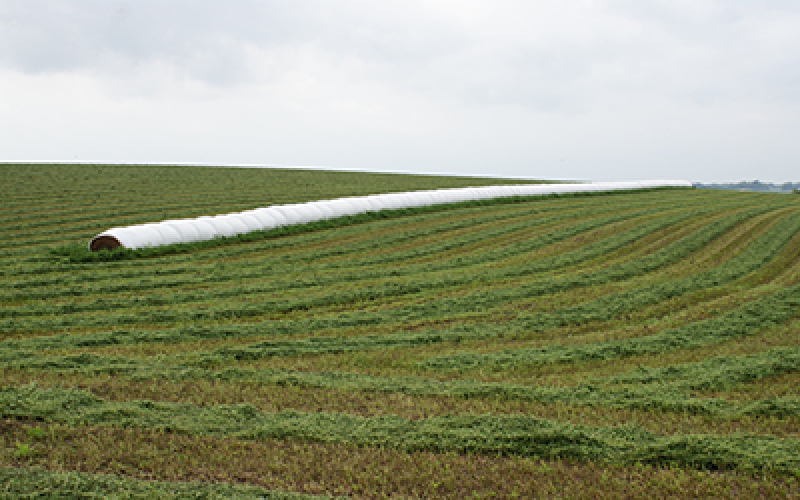
Stretching Corn Silage Supplies

During the 2002 drought there was a need to stretch corn silage supplies as a result of the drought that affected the U.S. Now we deal with the opposite scenario, where excessive spring rains have not allowed farmers to get to the fields. In both situations livestock producers face challenges.

Two young pigs inside a pork production facility.

Creating a Secure Pork Supply Plan

African Swine Fever and preparing for foreign animal disease outbreaks is at the forefront of people’s minds. Your state animal health officials offer guidance for participating in the Secure Pork Supply (SPS) Plan. Let’s take a closer look at the critical steps in developing a personalized SPS Plan for Continuity of Business.

A green cover crop mixture grows on a calm day; mainly consisting of oats and peas.

Buying or Selling Oats for a Cover Crop? Be Sure to Follow the Rules

As a challenging 2019 row crop planting season wraps up in South Dakota, many producers are looking to plant cover crops on unplanted acres. One popular cool-season grass cover crop is oats. Most oats in South Dakota are grown as certified varieties, and it is important to be aware of the legal ramifications behind purchasing oat seed for use as a cover crop.

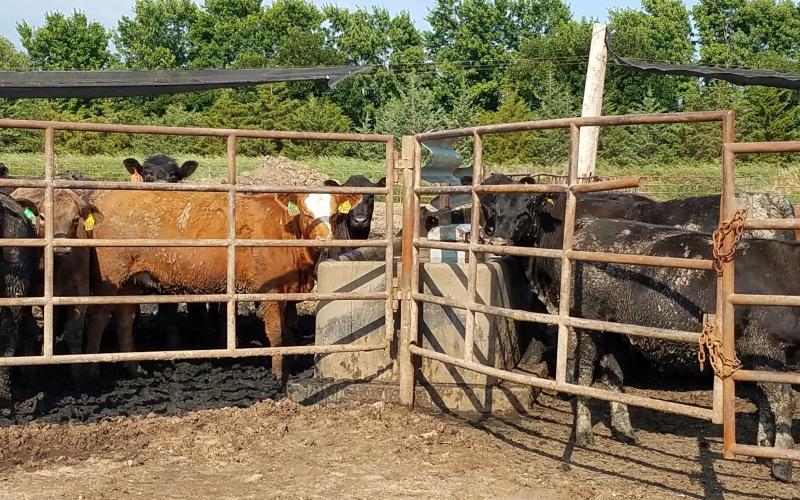
group of cattle at feedbunk

Do Temperament and Breed Type Play a Role in Feeding Efficiency and Carcass Quality?

Is there a relationship between temperament and profitability in cattle? A recent study conducted by Texas A&M University took a closer look at the impacts that temperament and breed types can have on feedlot growth performance, feed efficiency, feeding behavior, carcass characteristics, and value in finishing beef heifers.

Rows of bottled juice on display at a farmers market.

Selling Juice in South Dakota

Understanding the regulations for selling juice in the state of South Dakota can be difficult to navigate. This article was developed to address some of the questions around juice at retail as well as selling juice at a Farmer’s Market and to also ensure that seller’s may be well informed to ensure they are selling juice that meets regulatory requirements as well ensuring the product is safe.

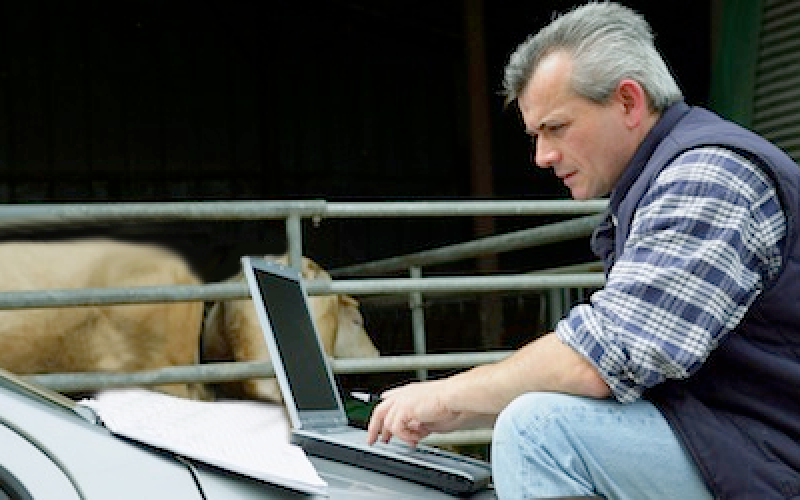
Sheep producer viewing information on a laptop computer.

Knowing Your Numbers: What are your operational benchmarks?

Tightening margins have posed a challenge to many sheep producers over the last few years. Enterprise budgeting and knowing your operational benchmarks can help.

Cornstalk bales in a snow-dusted field of harvested corn.

Should We Sell Corn Stalks?

Grazing and baling corn stalks can offer producers financial and agronomic benefits, and also provide feed resources for cattle producers. Learn how to determine if it's the right decision for your operation.