Search
Water Quality
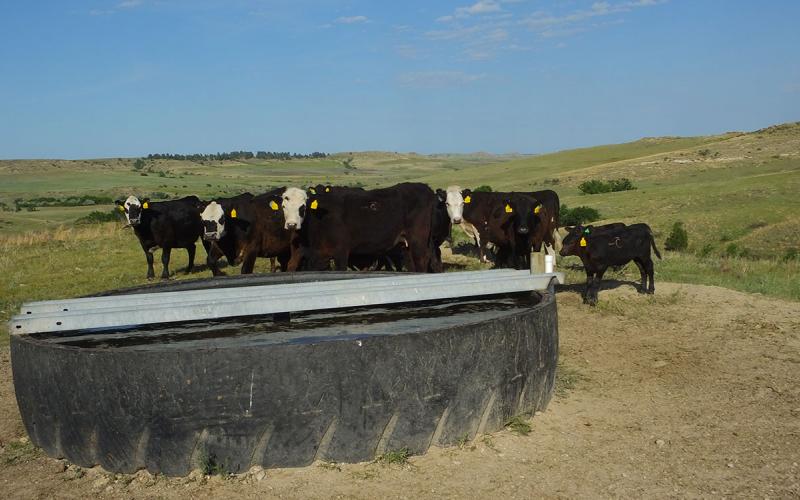
While producers have long acknowledged that access to water makes the difference between a profitable or unsuccessful operation, they are beginning to understand that water quality may be as important as water quantity.
Managing Livestock Attractants Near Water
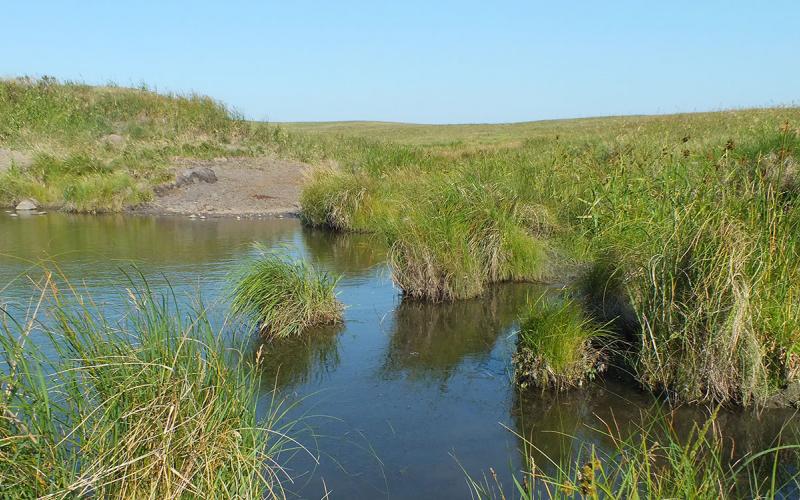
In the event that your pasture includes riparian areas, such as streams, rivers, lakes or ponds, you’ll want to take special care of these habitats. A riparian area is the space immediately adjacent to the shore, where water and land interact.
Drought Planning
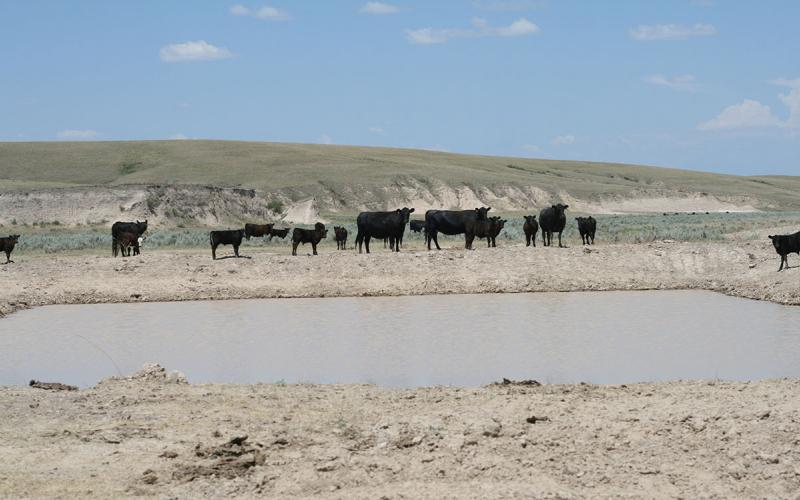
A drought plan will be an essential component to your overall grazing plan, as it provides guidance in making decisions during critical times when forage may be lacking.
Wildlife
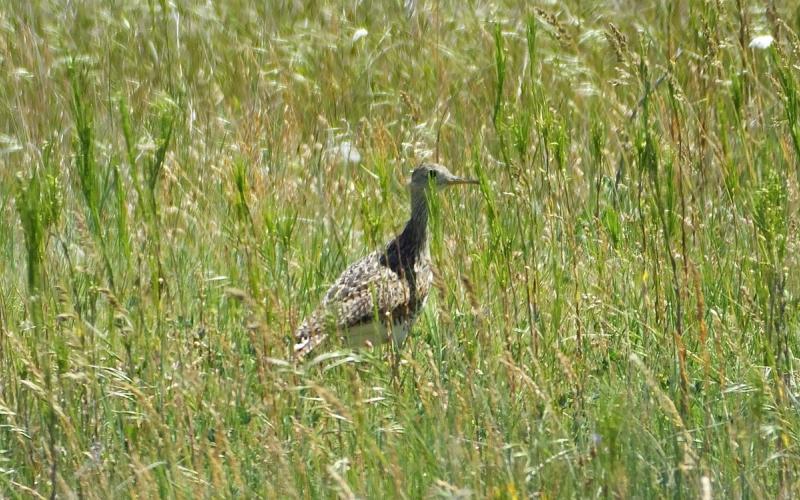
Not only will well-managed grasslands provide habitat for native wildlife; the presence of these often-overlooked species are a great indicator of a well-managed (and likely profitable) grassland system.
Managing and Protecting Grasslands for the Future
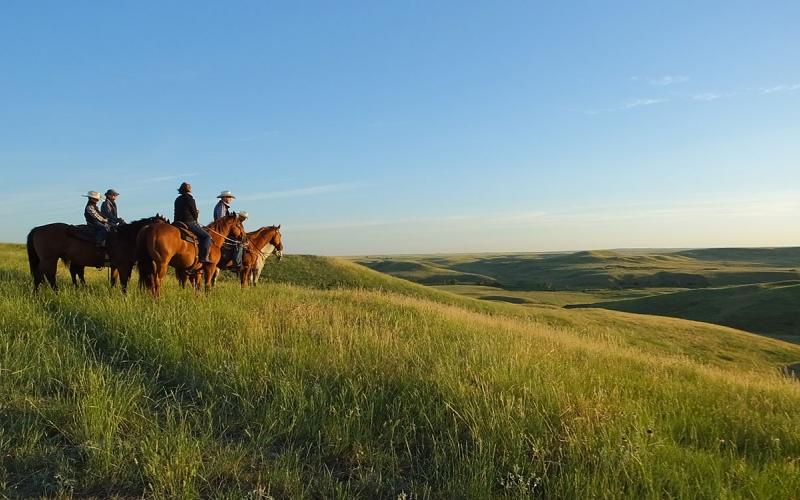
Grasslands are a valuable resource for South Dakota, and many of our core industries rely on the perpetuation of healthy grasslands for agriculture, recreation and tourism. Regardless of goals and objectives, many grassland landowners desire assistance with short and long-term grassland management goals.

Cedar Trees and Rangeland Loss
The issue of cedar tree invasion into South Dakota’s rangelands tends to be a regional conversation. There is generally broad agreement among most resource professionals that these trees are in fact changing our landscape in a negative way.
Understanding Conservation Easements
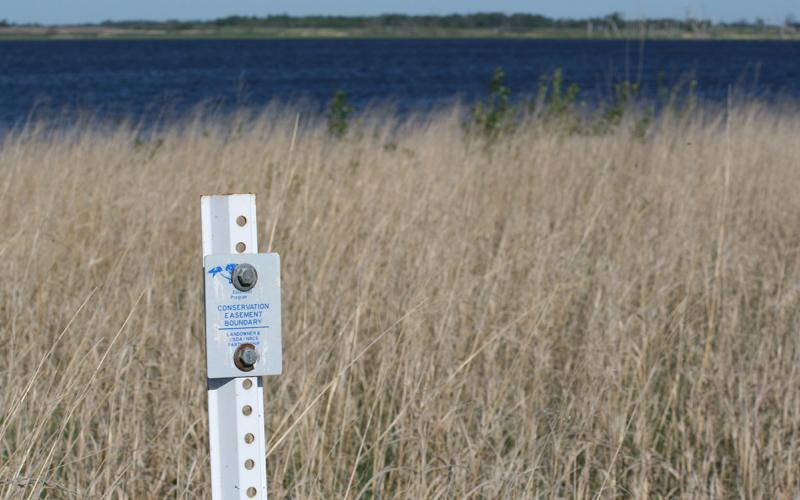
Conservation easements are a common, yet often misunderstood, real estate transaction tool. This article is intended to provide factual information regarding the rules and regulations that govern the use of conservation easements in South Dakota.
Thistle Caterpillars Observed on Canada Thistle
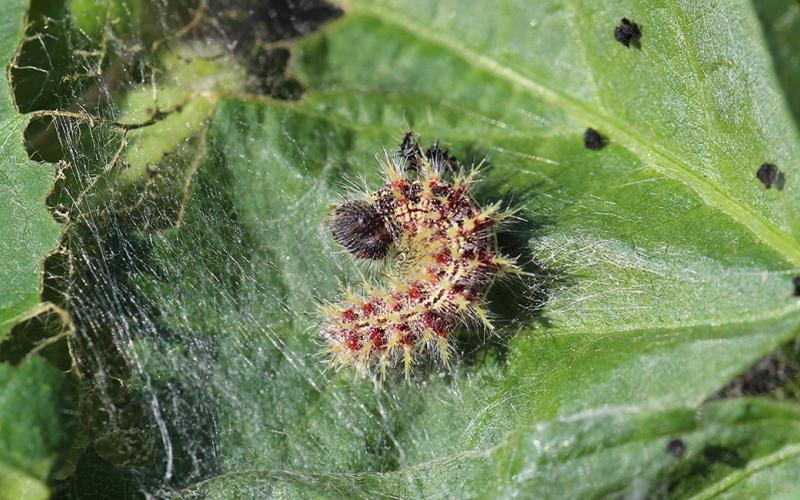
Although thistle caterpillars are normally first observed in July or August, it is possible for them to appear earlier if weather conditions are favorable. While these caterpillars are generally not present in high numbers, they can cause severe defoliation.
Grassland Management Do’s and Don’ts
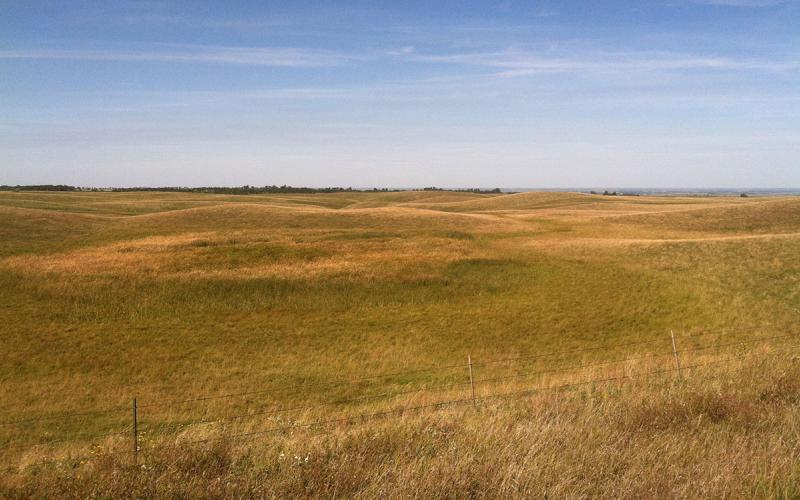
This article is intended to address the variety of questions we receive related to establishing, re-establishing and maintaining grass-based plantings for grazing, hay, wildlife and recreation.
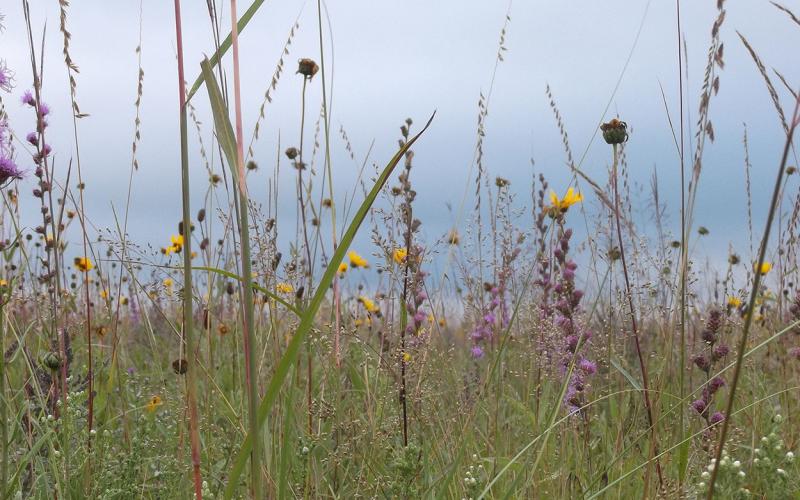
Partnerships Are Keys To Preventing Endangered Species Impacts
South Dakota’s farmers and ranchers have significant influence on the management of our state’s natural resources, especially grasslands and the species that inhabit them. These species remind us of the importance of natural resources management for the greater good.