Search
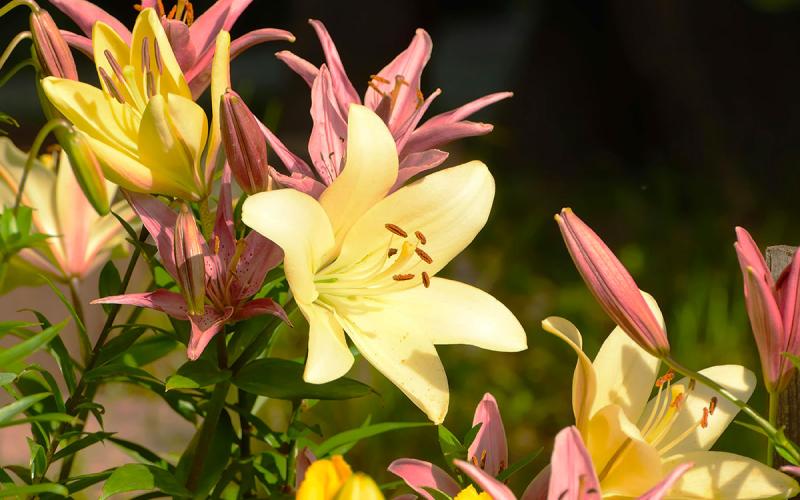
Growing Lilies in the Home Garden
Lilies have long been a perennial staple of many gardens. They are prized for their large, showy, and often-fragrant flowers.
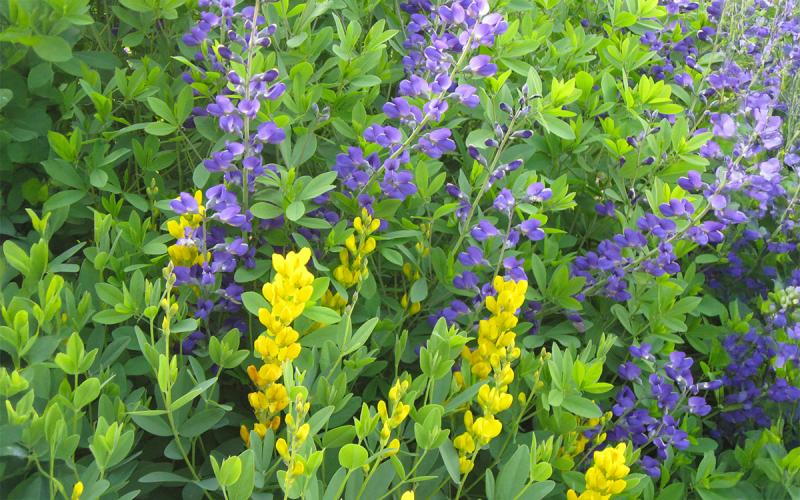
Baptisia: A Hardy, Flowering Perennial
Baptisia (Baptisia australis) is an herbaceous perennial known for its hardiness and for its early-Spring blossoms. Its other common names include False Indigo, Blue Indigo, and Wild Indigo.
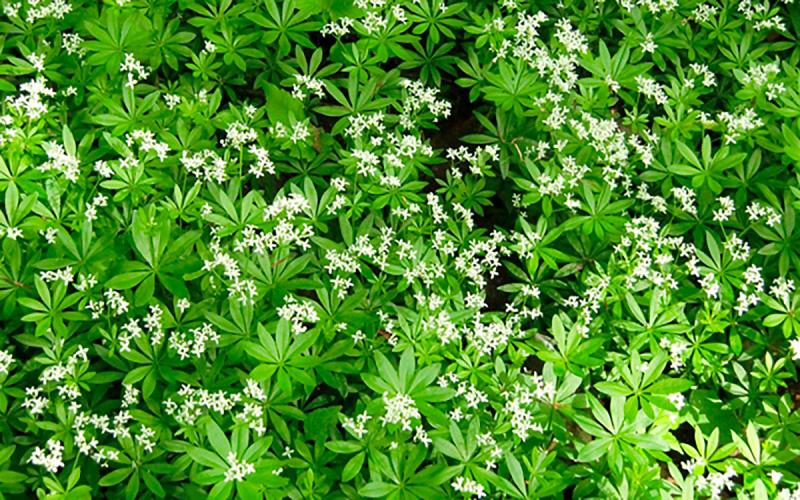
Sweet Woodruff: Attractive Groundcover for Shady Gardens
Sweet Woodruff (Galium odoratum) is an attractive plant that makes a finely textured ground-cover perennial for shade gardens.
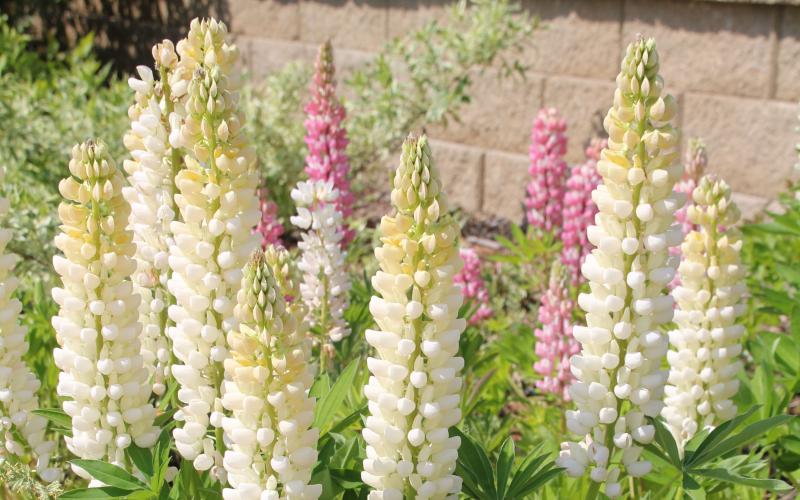
Lupines for Northern Gardens
Lupines (Lupinus), a genus of plants in the legume family Fabaceae, are popular plants in the United States. In addition to their aesthetic value, lupines provide a variety of benefits to the garden.
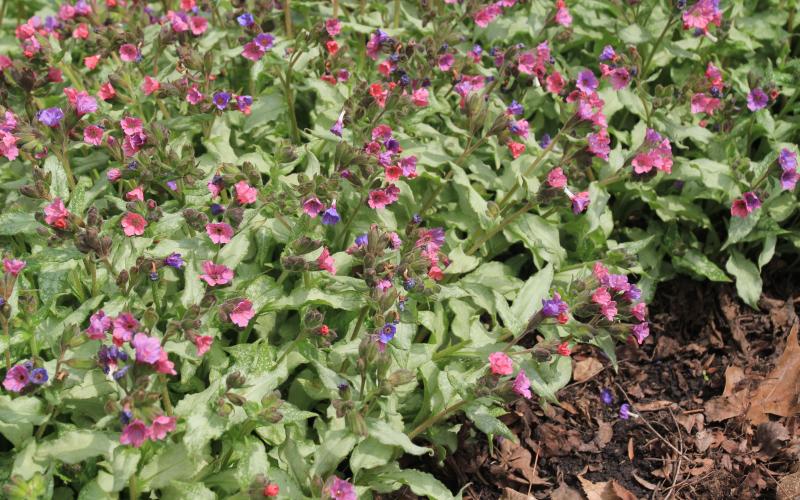
Lungwort: A Winter-hardy Perennial for Shade or Part-shade Gardens
Lungwort is a great plant for the partly sunny or shade garden, offering multiple seasons of interest, starting with flowers in early spring, followed by the development of new, basal leaves decorated with white spots and blotches.

Keeping Your Poinsettia Alive for Next Christmas and Getting It to Re-Bloom
With proper care, the poinsettia’s vibrant colors can be maintained throughout the year. Learn some tips for keeping poinsettias thriving and blooming again for the next holiday season.

What’s Bugging Your Garden? Broom Moth
There is a new pest problem for flower growers that enjoy Baptisia (false indigo) called the Genista Broom Moth. It is actually the caterpillars that cause the damage.

Pig Squeak: Bergenia cordifolia ‘Winterglut’ (Winterglow)
Bergenia is a great plant for many different types of sites in the garden performing well in shady locations to full sun, if extra moisture is provided. It looks great as a single specimen plant or planted in groups of five or more.

Healthy Seeds Make Healthy Plants
Saving seeds is a fun and economical way to produce plants for the next year. There are concerns however when saving seeds about seed-borne diseases.

Creating a Sensory Garden
A sensory garden is a garden that has a collection of plants that are appealing to one or more of the five senses; sight, smell, sound, taste, and touch. Sensory gardens should be accessible for all people to enjoy - disabled and non-disabled. Sensory gardens are typically geared towards young children, but are enjoyed by people of all ages.