Search
How to Organize a Seed Swap
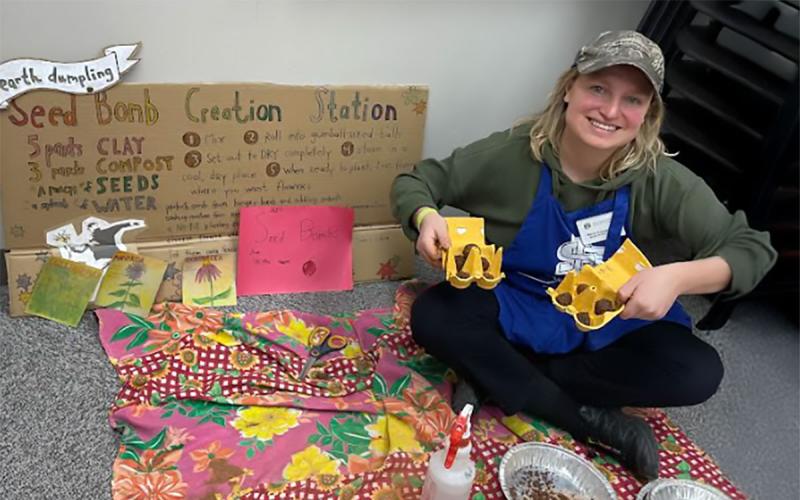
A seed swap is a gathering of people who come together to share seeds, including vegetables, herbs, and flowers. Learn some tips on planning a seed swap event to help build excitement for the upcoming growing season!
Are You Photoperiodic? Poinsettias Are: An Explanation of This Unique Plant Process
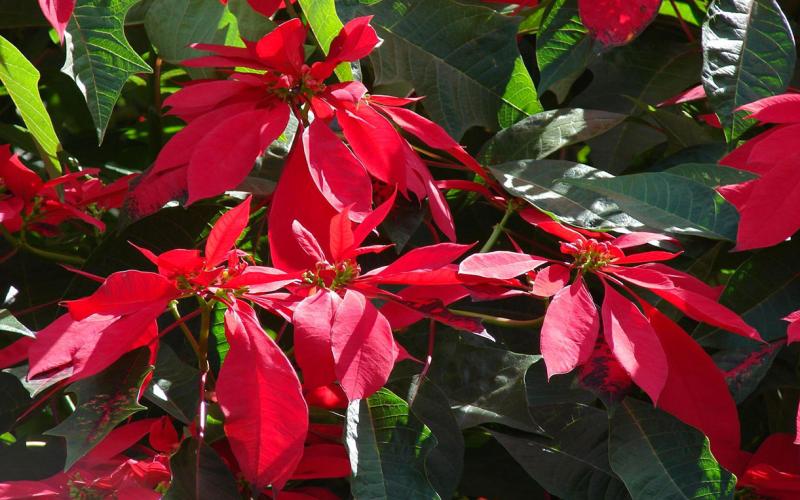
Poinsettias are photoperiodic, which means they rely on cues from nature, like the shortening day or night, to change how they grow. Learn all about this unique plant process and how it helps Poinsettias bloom and re-bloom.
Biological Control of Pests in High Tunnels
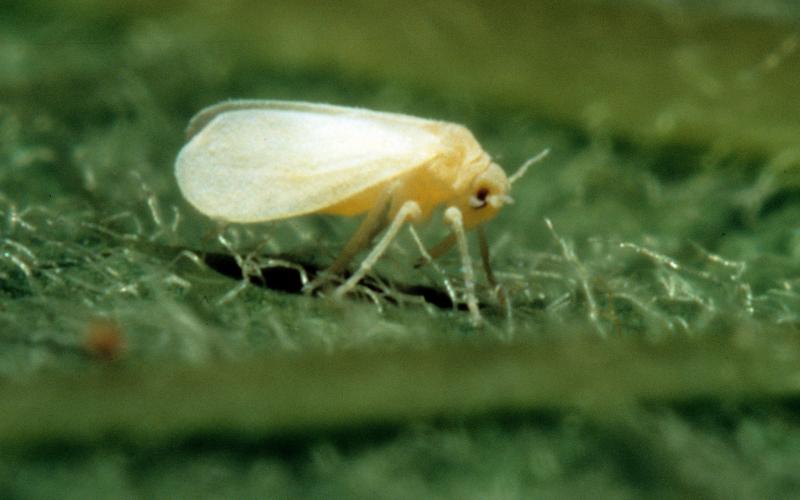
Major insect and mite pests in high tunnels include aphids, thrips, white flies, and spider mites. Biological control uses living organisms (natural enemies) to suppress or limit pest populations to levels that do not cause economic injury to the crop.
How to Build High Tunnels
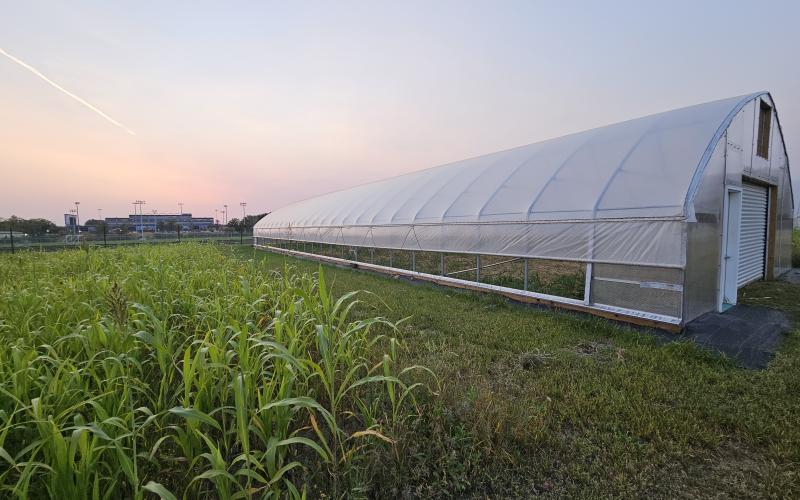
A video series developed to help producers learn how to build high tunnels.
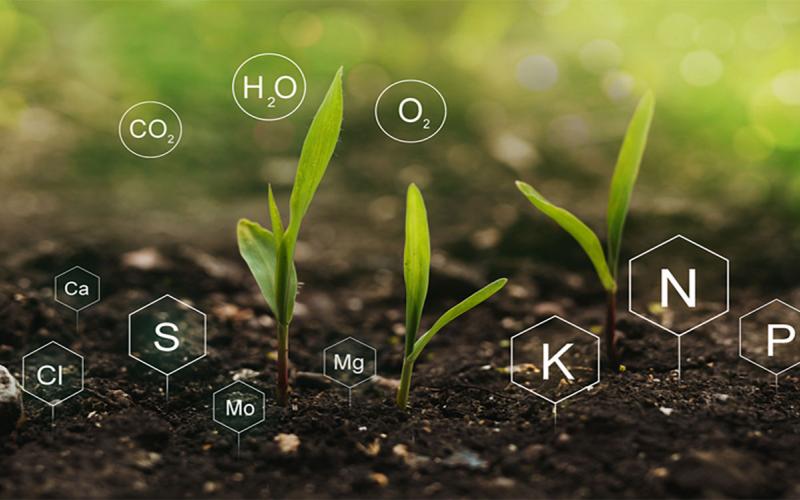
Managing Phosphorus and Other Nutrients in Gardens
Fact sheet on managing phosphorus and other nutrients in gardens.
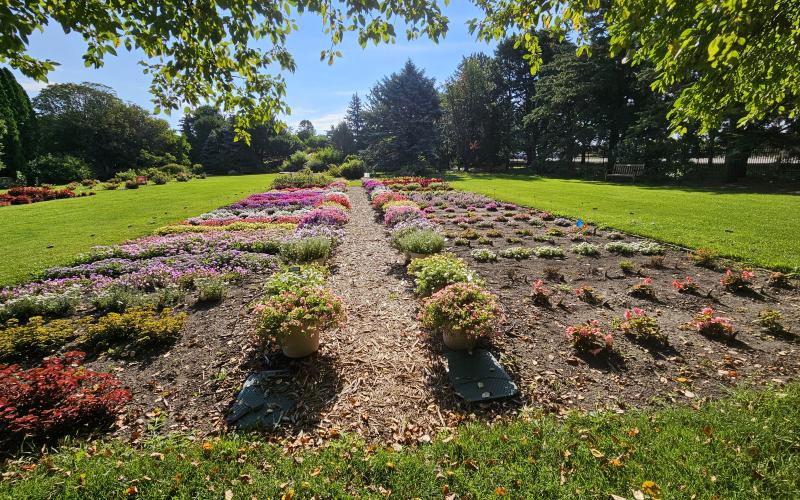
Square-Foot Garden Sample Planting Layout
Learn how to maximize produce production and space using a square-foot layout design.

Native Plants for Bird Habitat in South Dakota
South Dakota has a range of habitats that support many bird species, and native plants play an important role in all those habitats.
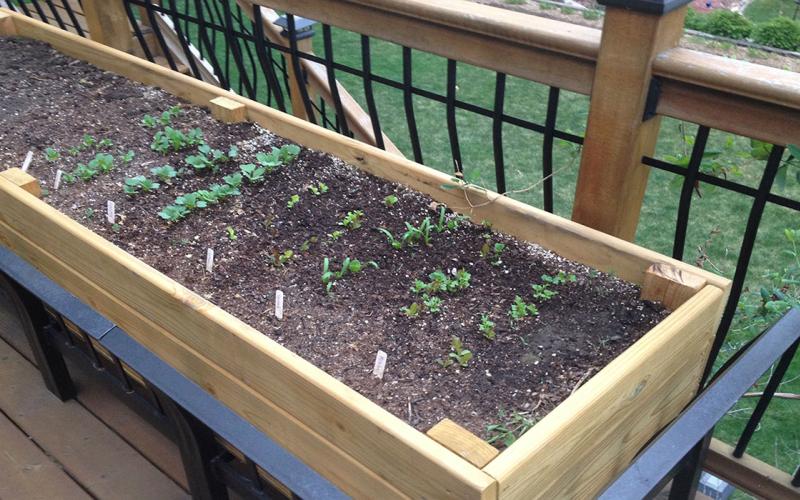
Gardening in Raised Bed and Containers in the Northern Great Plains
Fact sheet for anyone interested in gardening in raised beds or containers, especially those that may have limited space or of various physical abilities.
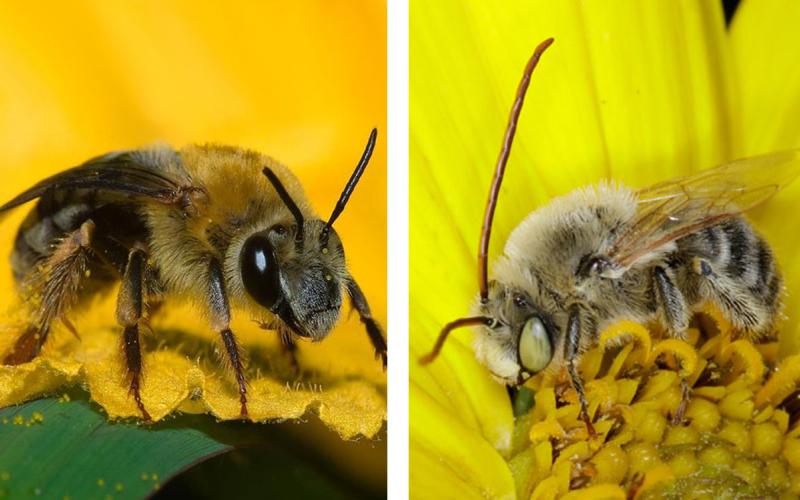
Beneficial Pollinators: Squash Bees and Long-Horned Bees
South Dakota is home to more than 400 species of native bees. In this article, we will highlight the squash bee and the long-horned bee, two beneficial native pollinators.
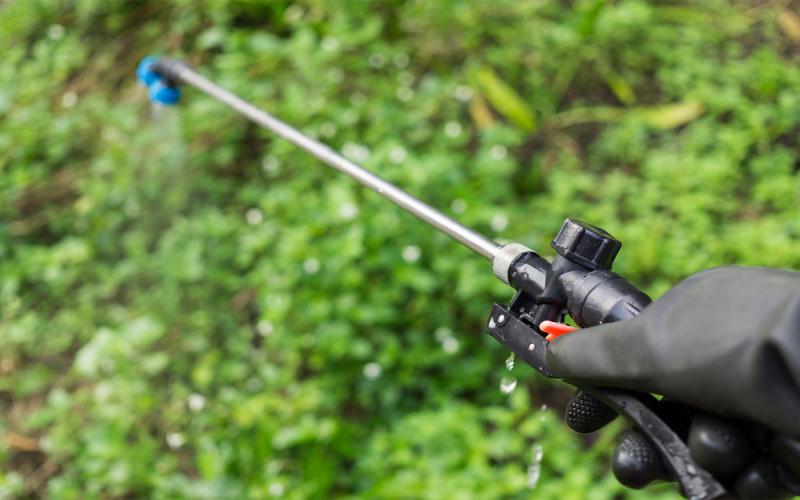
Organic Herbicides: Garden and Flower Bed Weed Control
Many South Dakota homeowners do not want to use inorganic or synthetic herbicides due to potential health impacts. Organic herbicides can be a useful tool for weed control when combined with other management practices.