Search
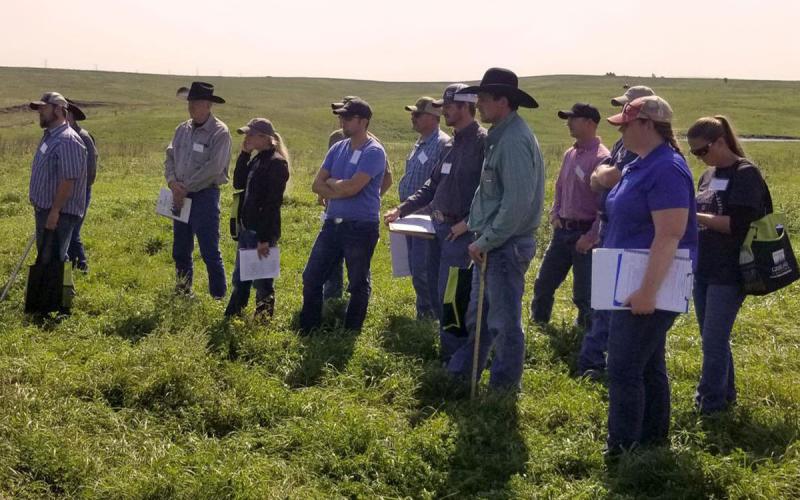
South Dakota Grassland Management Resources
The South Dakota Grassland Coalition provides educational opportunities for producers and agency personnel alike and has a wealth of informational tools available to share with others seeking assistance.
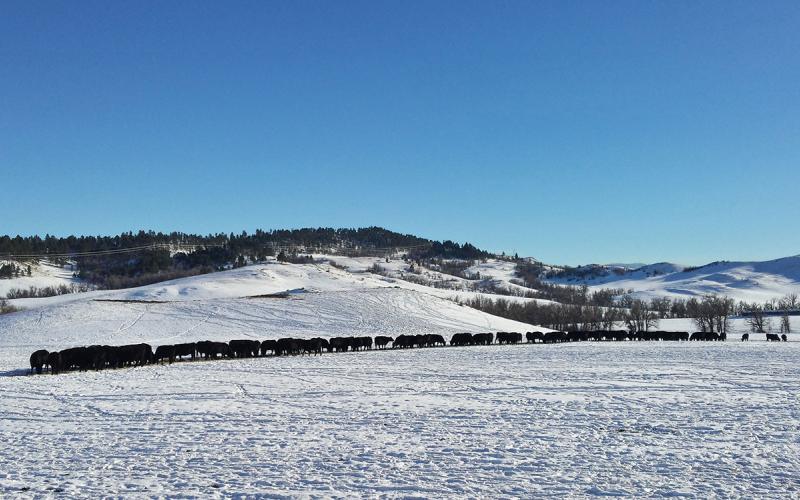
Swath/Bale Grazing
Swath grazing and bale grazing are harvest systems that mesh haying and grazing techniques. Generally, the objective is to reduce labor and equipment expenses by allowing livestock to consume the hay crop in the field.
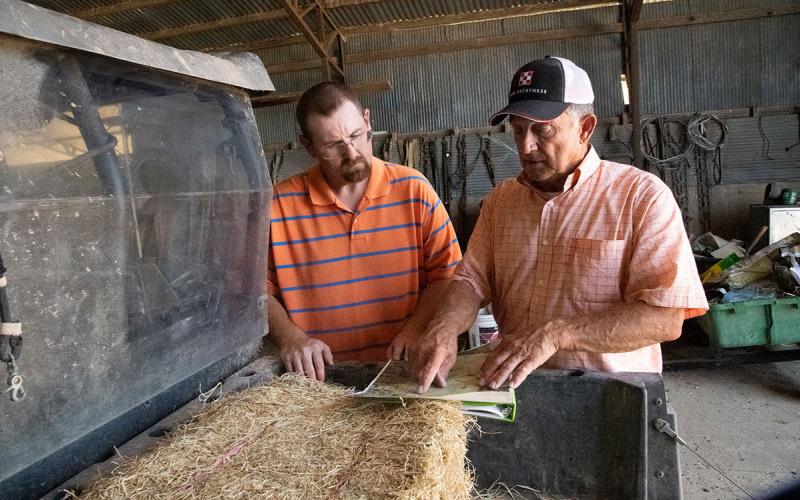
Hay Harvest Contracting
For those landowners who typically lease or harvest grasslands for hay, contracting for services is a learned business that can have local variations in how the grass and associated services are valued.
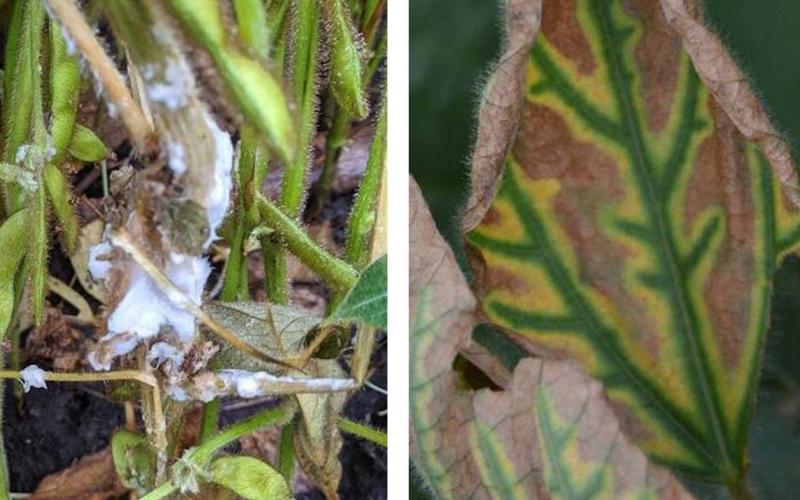
White Mold and Sudden Death Syndrome Starting to Develop
White mold and sudden death syndrome are starting to develop in a number of soybean fields. These two diseases develop starting at the soybean flowering growth stage and can occur throughout the rest of the soybean growing season.
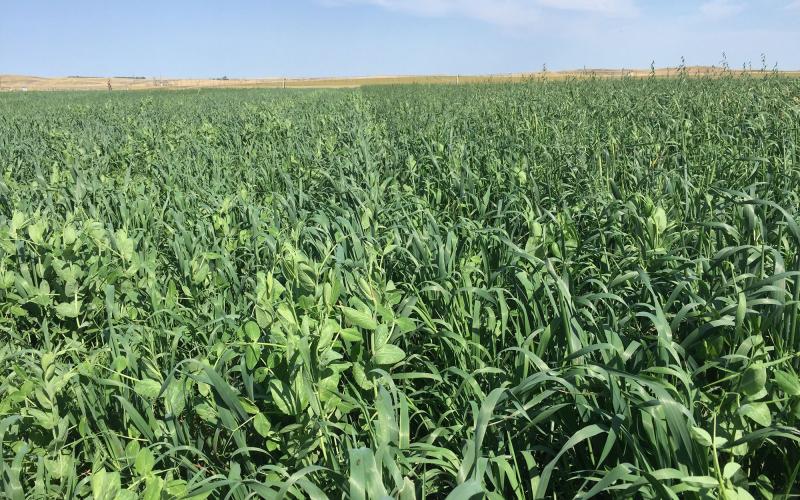
Peas Offer Options in 2020
Current events have made decisions around crop options very difficult this spring. Field peas are an option that may have a fit for some producers.
SDSU Extension Hosts First South Dakota Watershed Academy
SDSU Extension recently hosted the South Dakota Watershed Academy at the Oak Lake Field Station. The workshop was designed and organized in consultation with USDA Natural Resources Conservation Service to provide information on water resources regulation and monitoring.
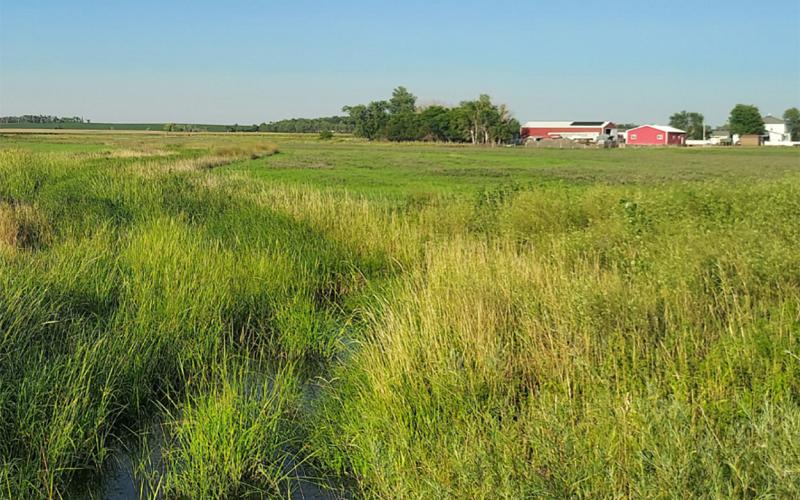
2023 Marks the 10-Year Anniversary of the Seasonal Riparian Area Management Program
The Seasonal Riparian Area Management program has partnered with landowners to maintain healthy riparian areas to address common water resource concerns and improve water quality in streams, rivers, and lakes within the Big Sioux River watershed.

Over-the-Top Dicamba Ruling Explained
On February 6, 2024, the U.S. Environmental Protection Agency was ordered to vacate the registrations for dicamba products registered for over-the-top applications on dicamba-tolerant cotton and soybeans. Learn how the ruling will impact the upcoming growing season and beyond.
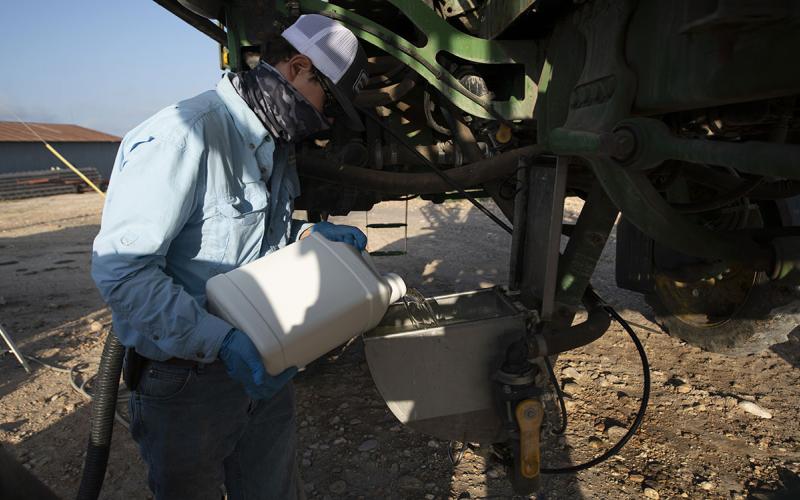
Chlorpyrifos Products Can be Used in 2024 for Insect Pest Management
The U.S. Environmental Protection Agencys recently announced that currently registered insecticide products with the active ingredient chlorpyrifos will be legal to use on labeled crops during the 2024 growing season.
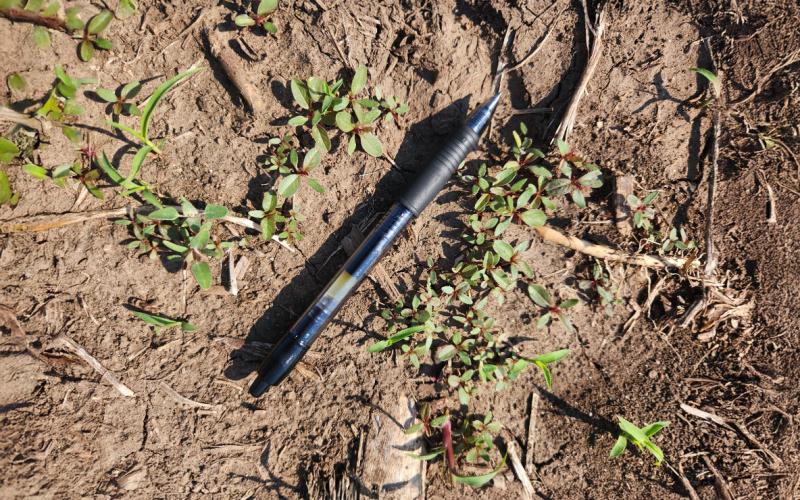
Waterhemp Has Emerged in South Dakota: Time to prepare for post-emergence management
Waterhemp has started to emerge across South Dakota. While waterhemp plants are small now, recent rain events and forecasted warmer air temperatures are ideal for waterhemp growth.