Search
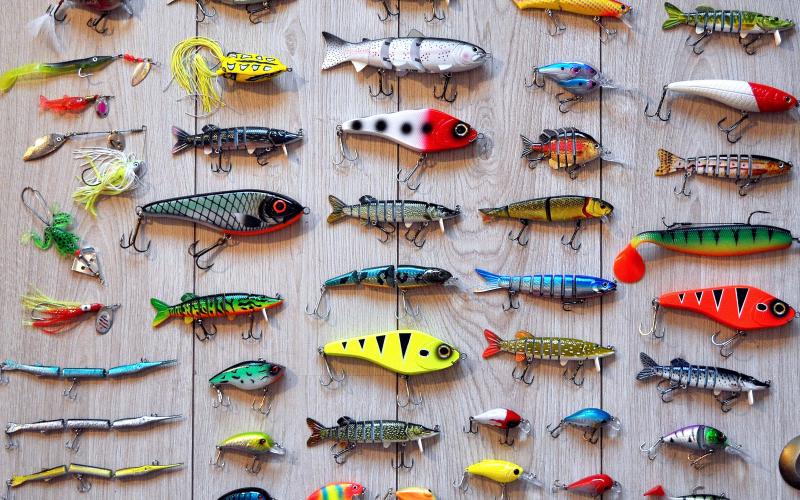
4-H Hobbies & Collections Project
Too busy to begin a new 4-H project? That is okay! What you are already doing in your leisure time for enjoyment can be turned into a 4-H exhibit!
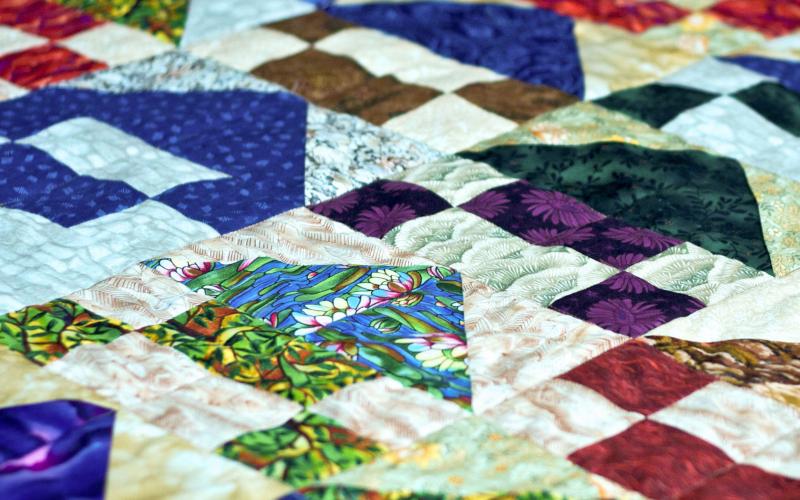
4-H Home Environment Project
Discover how to make living spaces more comfortable, organized, inviting, and relaxing. Learn about color, space planning, fabrics, furniture, and accessories.

4-H Horse Project
Saddle up for the Horse 4-H project area! Become experienced in horse nutrition, handling, safety, and care. Participate in the county horse program and show to learn riding techniques, patterns, and showmanship
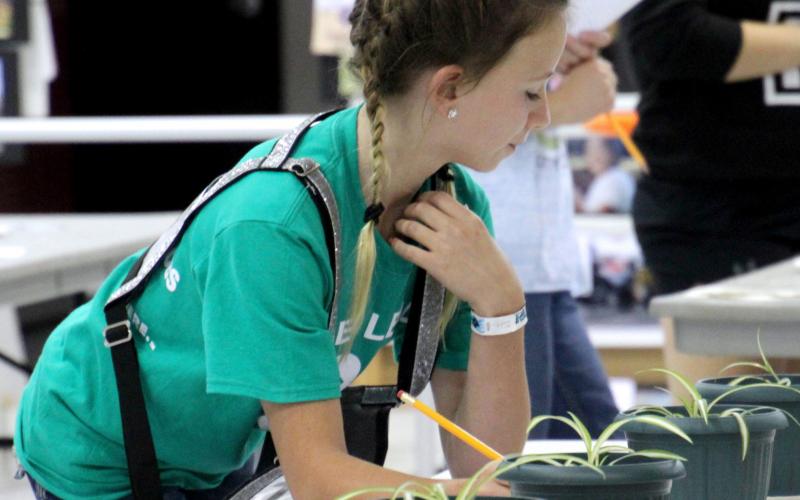
4-H Horticulture Skill-a-thon Project
The 4-H horticulture skill-a-thon is a contest that helps youth identify flowers, indoor plants, landscape ornamentals, fruits, nuts, berries, and vegetables. Be ready to expand your knowledge on greenhouses, turf, plant nutrition, landscaping, managing lawns and trees, and soil health.
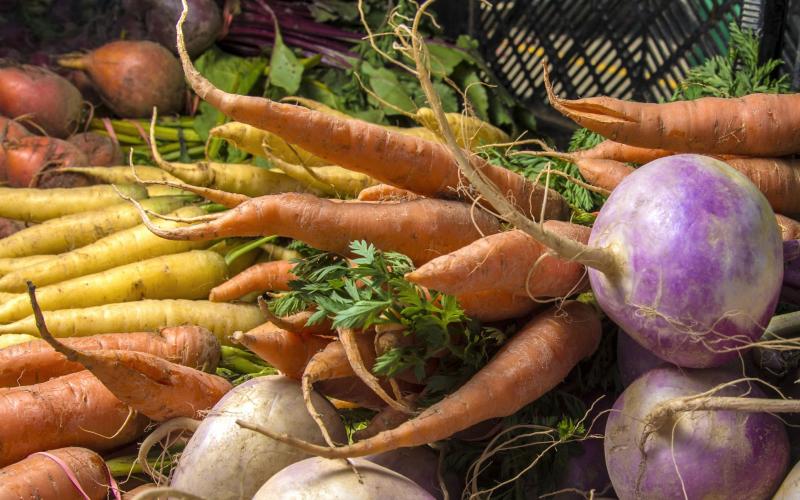
4-H Horticulture, Gardening & Landscaping Project
Youth will learn how to outline, plant, sustain and harvest their own plant life for beauty, health and cuisine. This project will give youth an opportunity to learn that plants play an important role for animals and humans providing food, shelter, fiber, medicine, oxygen, and beauty.
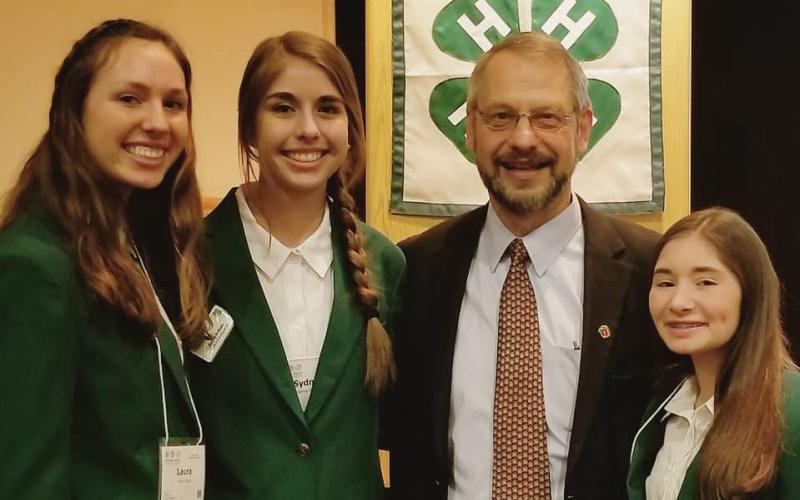
4-H Leadership Skills Development Project
The leadership skills development 4-H project area is designed for youth to identify and achieve the skills needed to be a good leader. These skills can be developed through experience in a group setting or leadership position or by participating in activities focusing on communication, organization, responsibility, and teamwork.

4-H Leisure Education & Recreation Project
Leisure and recreation activities provide outlets for youth and adults to relax, socialize, and engage in healthy activities. You can investigate topics such as how to find and become involved in recreation activities, how to maintain equipment, and what health and wellness opportunities your community offers.

4-H Meat Goat Project
Join this fast paced growing sector of the agriculture industry—market goats! Learn about breeds, husbandry, showmanship, nutrition, reproduction and much more!
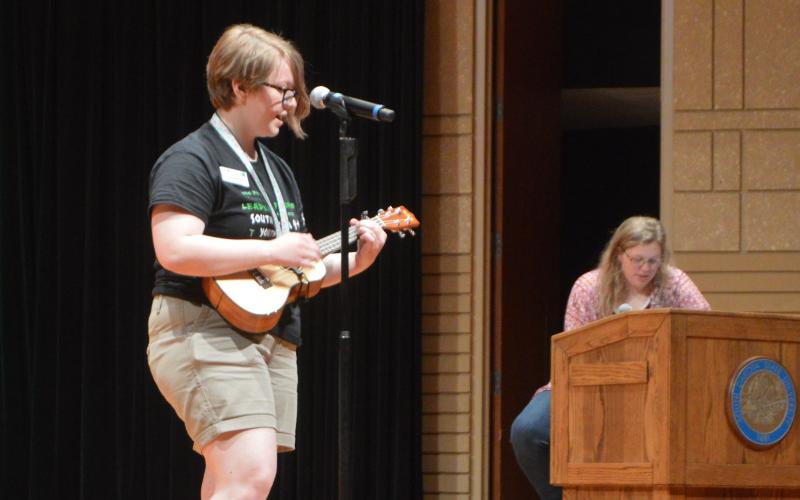
4-H Music/Dance Project
Express your creative side in the music/dance 4-H project area. Whether you enjoy learning about your favorite type of music/dance or would rather perform your own piece, this area encourages a greater appreciation for expression through music and dance.

4-H Outdoor Education & Recreation Project
Do you like to go on adventures outdoors? Do you know how to prepare and be safe in the outdoors? Learn about that and much, much more in the outdoor education and recreation project area.