Search
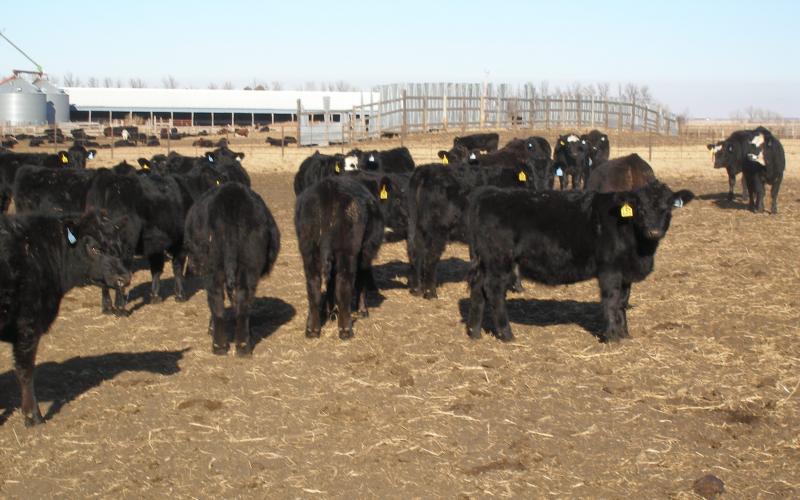
Choosing the Right Custom Feeding Partner
Custom cattle feeding can be a “win-win” strategy when done correctly. Feeding someone else’s cattle provides a method to market feedstuffs without tying up the capital required to own the livestock.

Microwave Cooking and Safety
As we get busier with work and school activities, it sometimes becomes challenging to have a meal right off the stove. This article will give you some cooking and safety tips for the microwave.

Personal Financial Management During a Health Crisis
A health crisis can have both immediate and long-term impacts on our personal financial management. Take these steps to get control of your finances during a health crisis.

Choosing Vegetable Varieties for Your Area
Spring is coming and will be here before we know it. Gardeners are reading through catalogs, looking at that new variety of green bean, or maybe a gorgeous new tomato. The catalogs are written to hook you in by making these varieties look as good as possible. The photos are generally mouthwatering and the descriptions often seem a bit over-the-top.
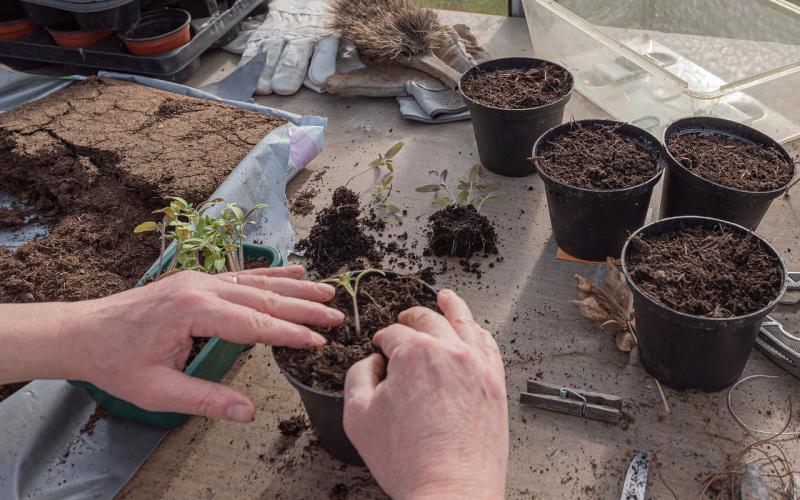
Promoting Safe Community Gardening Amidst the COVID-19 Pandemic
October 20, 2021
SDSU Extension experts have established guidelines for community gardens to follow in order to promote the health and safety of local gardeners during the COVID-19 pandemic.

What is This Fruit… And is it Edible?
In mid- to late-summer, we often get the questions: “What kind of fruit is this?” and “Is it edible?” To identify a fruit, it is helpful to know both plant and fruit characteristics: Woody or herbaceous plant? Vining or upright? Do the leaves attach to the stem opposite each other (i.e., paired), or do they alternate from one side of the stem to the other? What size and color are the fruit? Is each fruit’s stem attached directly to the twig, or are they in a cluster that attaches to the twig? And, one question I find often helpful in distinguishing among smaller fruits, does it have a single pit, or are there several seed in each fruit?
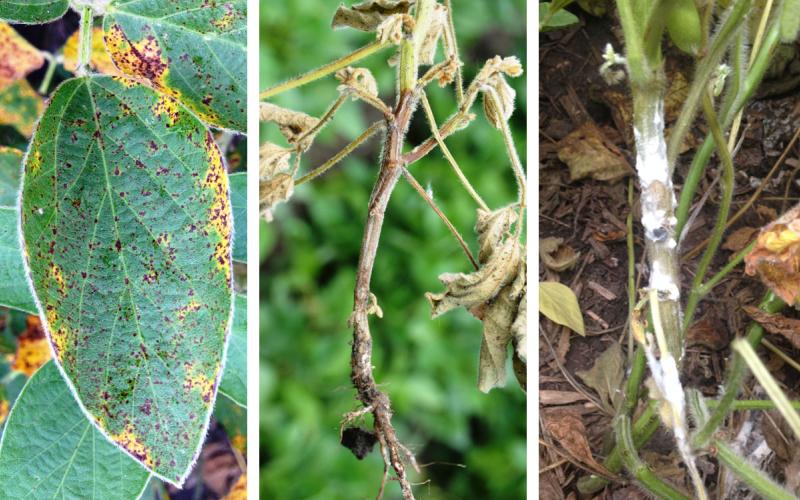
Mid-to-Late Soybean Disease Management
Even though it has been hot and humid this summer, some soybeans around the state have seen ideal conditions for mid-to-late season disease development. Learn some common diseases to scout for.
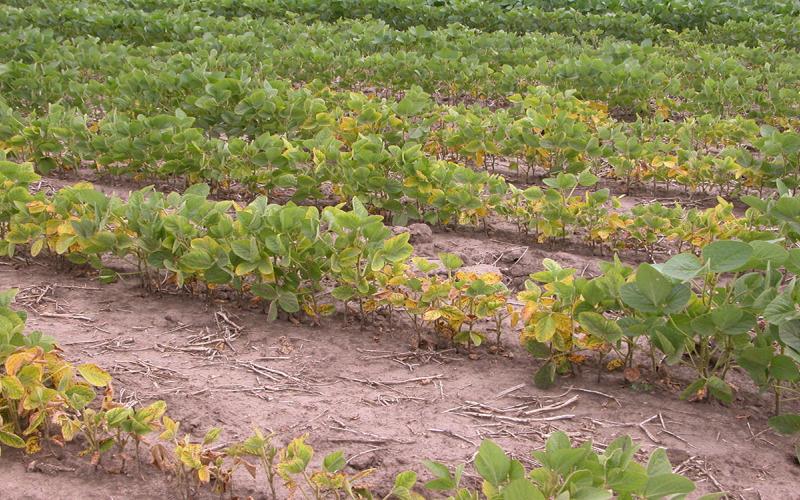
Know Soybean Cyst Nematode, Numbers Matter!
Have you noticed parts of your soybean field turning yellow earlier than expected? Are some of the plants stunted or showcasing a roller coaster appearance? Soybean cyst nematode may be to blame.
Economic Contribution of the South Dakota Beef Industry
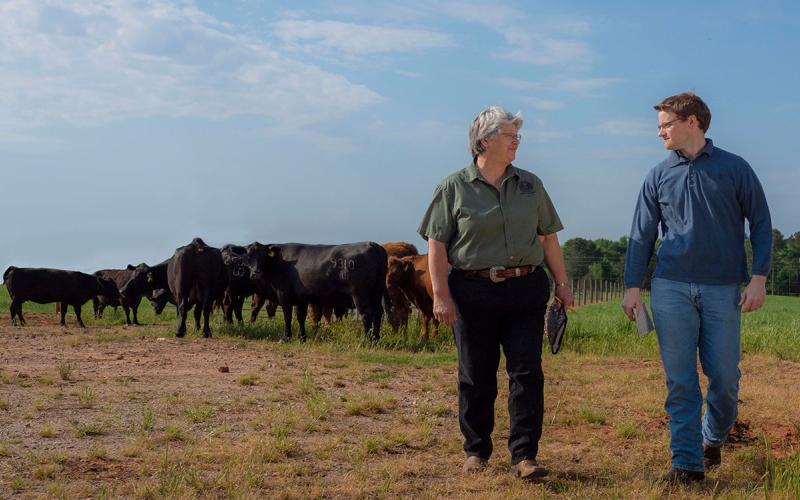
From added value to the economy to jobs throughout the state, the widespread impact of the South Dakota beef industry may surprise you. Warren Rusche, Assistant Professor and SDSU Extension Feedlot Specialist, examines some highlights from recent economic research.
Reading the Range: Range readiness, grazing timing and drought considerations
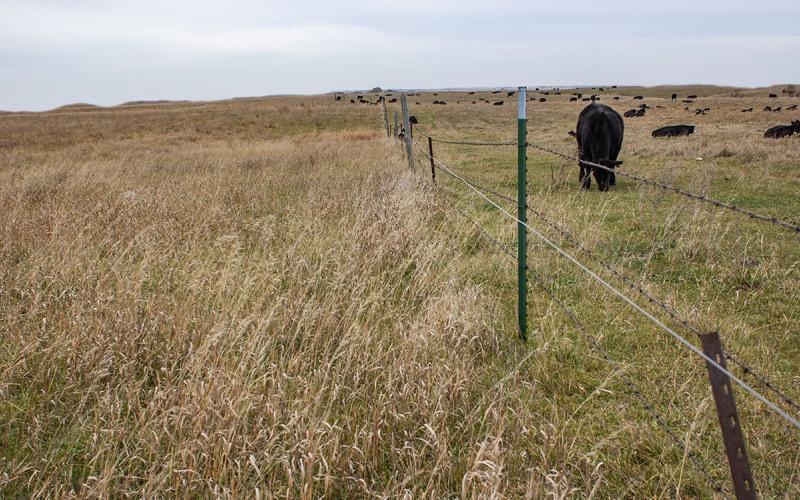
Grazing timing is key when managing rangelands during a drought. Learn how to determine grazing readiness for different plant communities found throughout pastures and rangelands.