Search

Changes to the Commodity Title from the One Big Beautiful Bill Act: Impact on South Dakota crops
The One Big Beautiful Bill Act contains several changes to the Title I Commodity Programs. Learn how these changes may impact crops in South Dakota compared to crops grown in other regions in the United States.
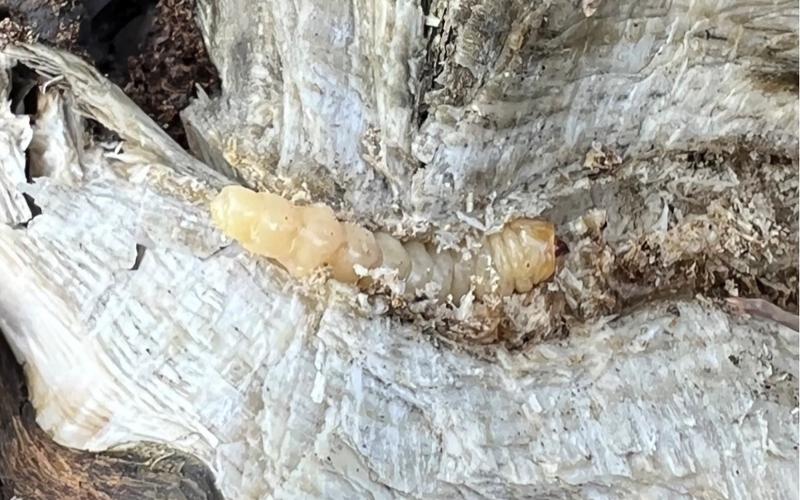
Dectes Stem Borer in South Dakota Sunflowers
Factsheet covering Dectes stem borer in sunflowers.

Funding Community Projects: Keeping Healthcare in Your Community
Faulkton’s hospital was getting old. Something had to be done or it would be lost.
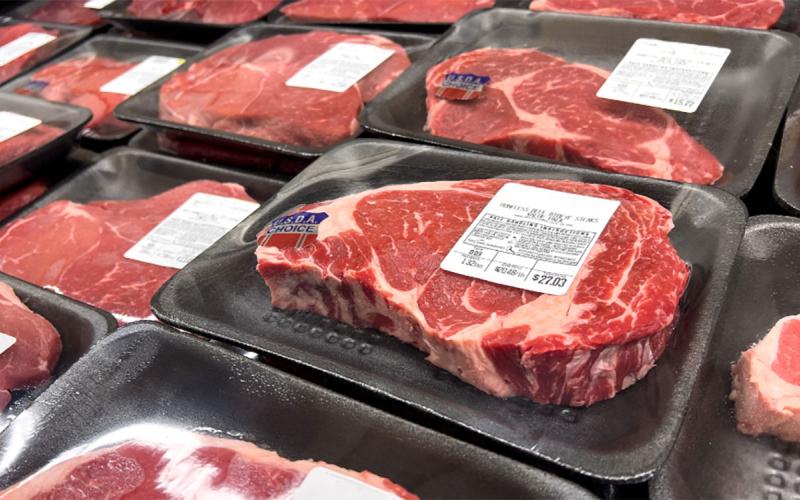
USDA Beef Quality Grades: What do they mean?
A large portion of beef sold at retail is accompanied by a USDA quality grade label. Learn how quality grades are determined, what they mean, and how they can be used to select the perfect cut for your purposes.
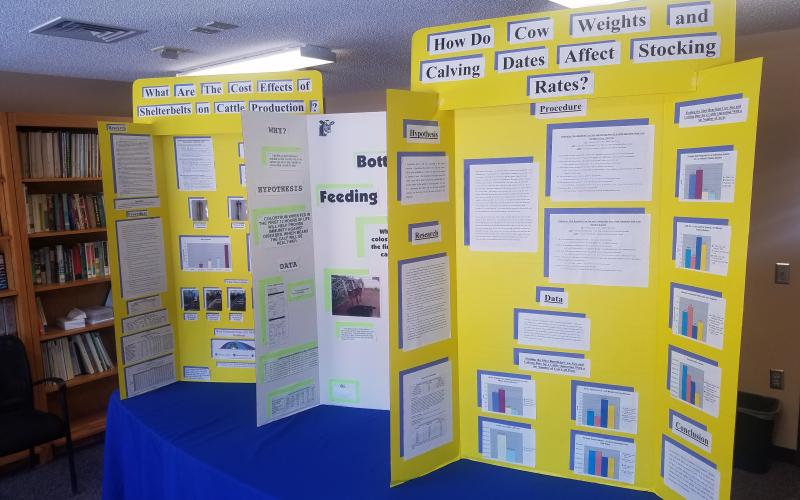
Presenting Scientific Information: Display Boards
For youth participating in scientific discovery, posters and display boards are a very common form of communicating scientific information.
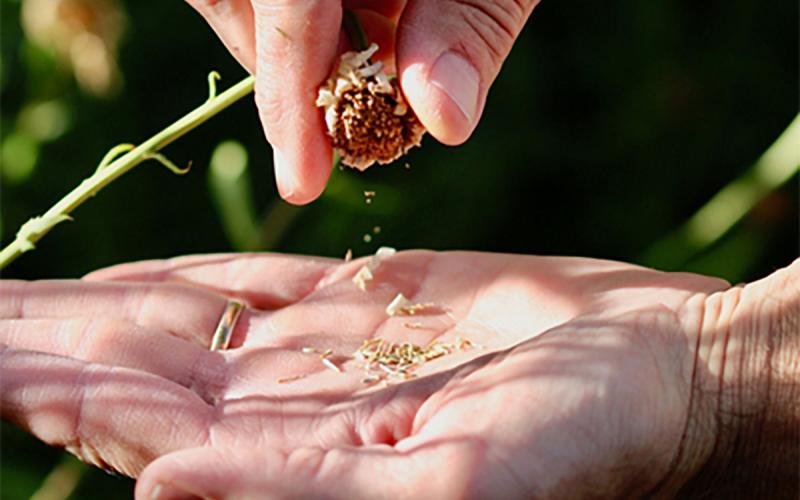
Saving Seed: Will the seed produce plants similar to the plant it was collected from?
It can be very rewarding to harvest and save seed of ornamental and vegetable plants. But why is it that sometimes when we plant the seed we saved, the results do not seem to be very like the plant we collected the seed from?
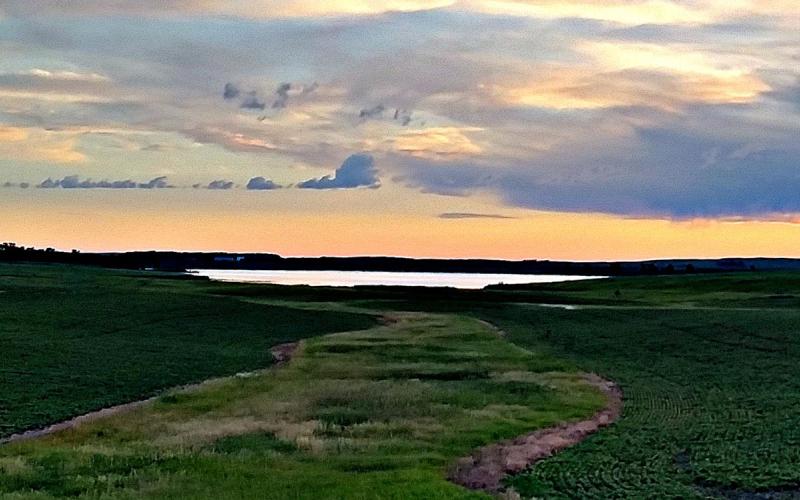
Watershed Disturbances and Change
Watersheds play a critical role in supporting our environment, economy and quality of life. Learn how natural and man-made disturbances can impact their overall health.
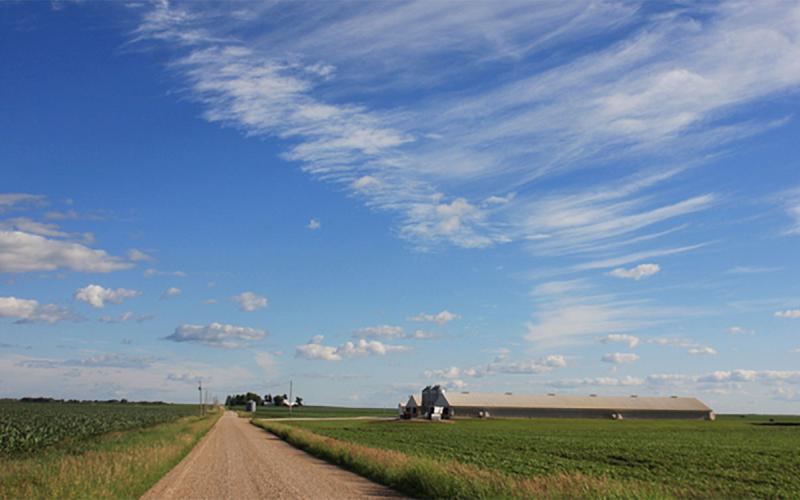
SDSU Pork Cares Farm Impact Report 2022
SDSU's Pork Cares Farm Impact Report details the efforts and practices employed by pork producers to promote sustainable agriculture, including environmental impact, social responsibility, and economic viability.
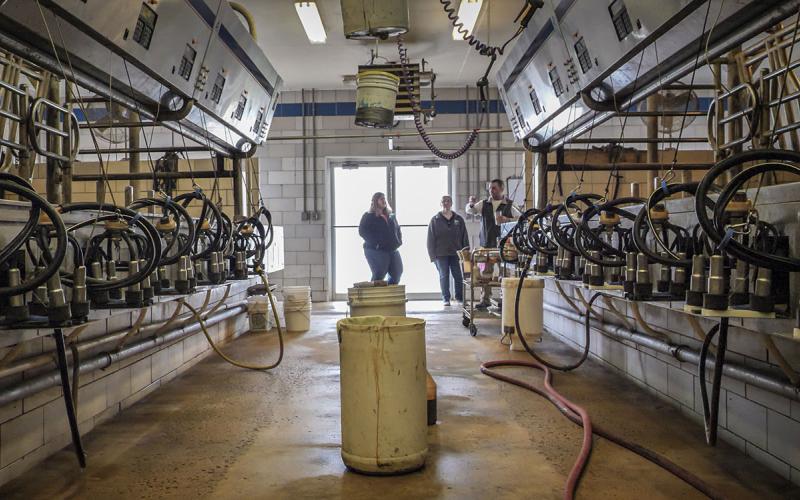
Factors Affecting Teat Skin Condition in Winter
Even though cows are housed in many parts of the country, cold weather may play an important factor in udder health and milk quality.
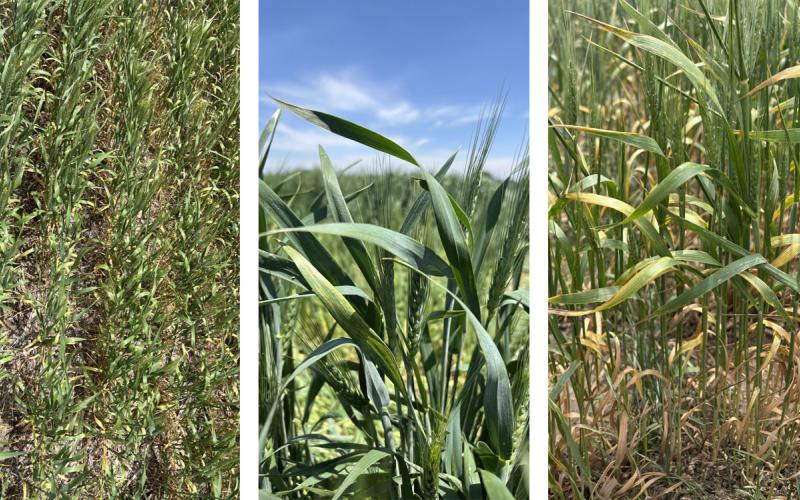
South Dakota Wheat Streak Mosaic Virus Disease: 2026 Update
Wheat streak mosaic virus is on the move across South Dakota wheat fields. Due to the mild winter and overwintering in winter wheat, viral activity has had a jump start in 2026, and the occurrence and intensity of disease pressure is comparable to the 2025 season.