Search
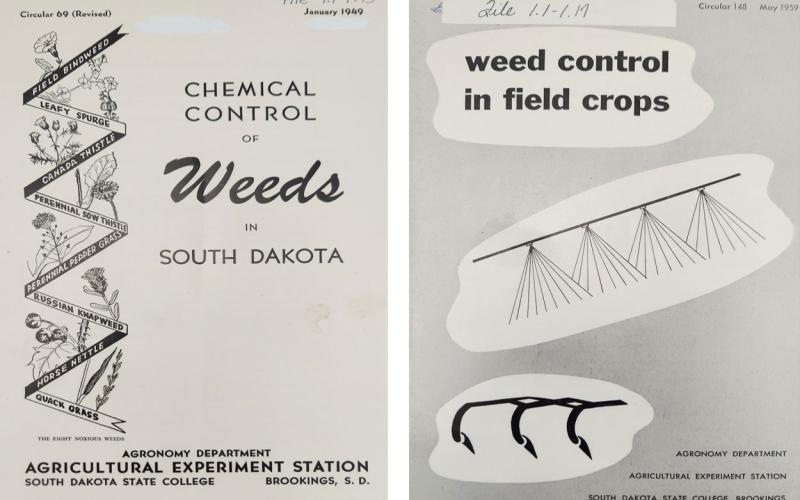
Revisiting Old Lessons in Corn Weed Management: 2,4-D and dicamba
What can past herbicide programs teach us about managing against herbicide-resistant weeds in corn today?
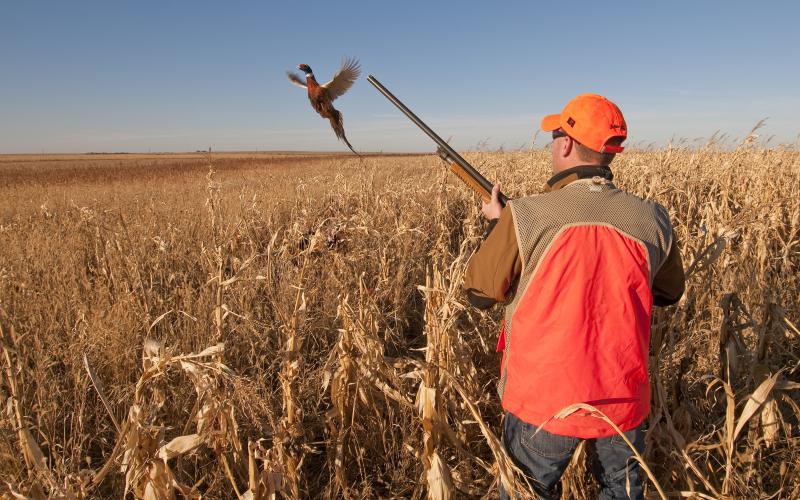
Wildlife and the Bottom Line
As the fall harvest wraps up and this year’s calf crop is weaned, many producers may be nervous about what their paychecks will look like for 2016. In tough market conditions, it can be tempting to try to squeeze just a bit more production out of the land.

Ergonomic Tools in the Garden
Children, older adults, and anyone with arthritis or other physical disabilities can benefit from ergonomic gardening tools, which are lightweight, easy-to-hold, and comfortable to grip!
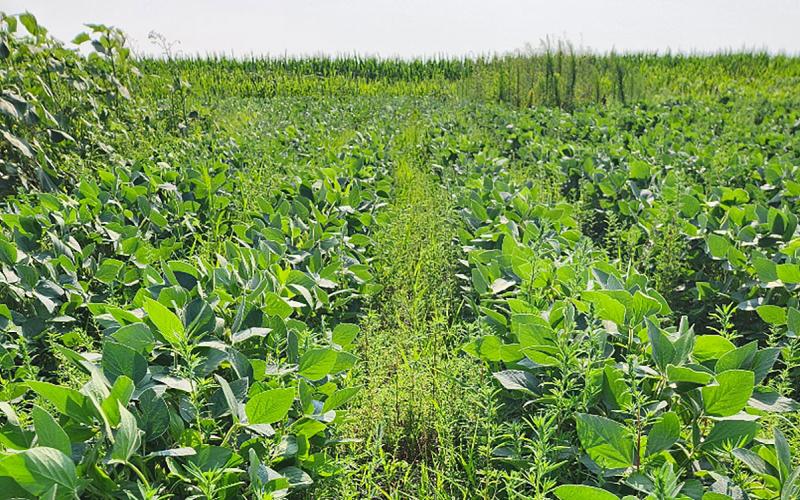
Cheap and Simple Soybean Herbicide Programs Do Not Pencil Out
While simple, one-herbicide programs are initially easy on the budget, it is important to consider indirect costs of surviving resistant weeds that reduce soybean yield and produce seed that will have to be managed later.
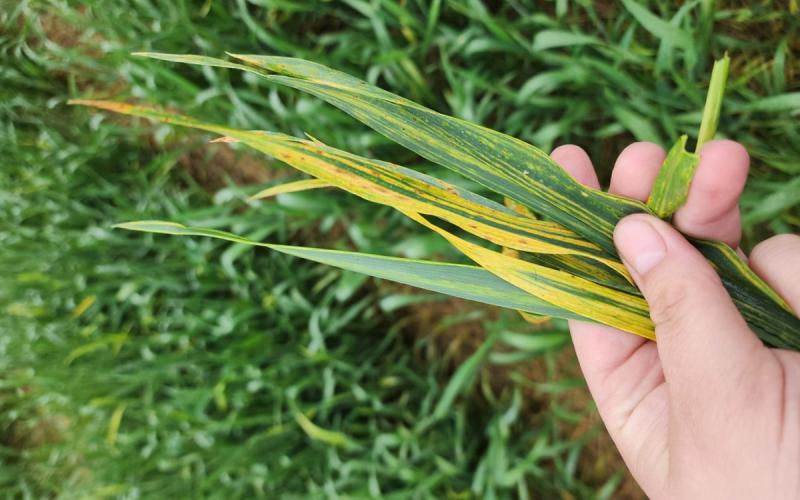
Wheat Streak Mosaic Virus Complex: Breaking the Green Bridge
As wheat harvest proceeds, it won’t be long until winter wheat planting is underway in South Dakota. To effectively reduce wheat streak mosaic virus, it is important to manage the green bridge effect to slow spread of disease in newly emerging wheat fields.
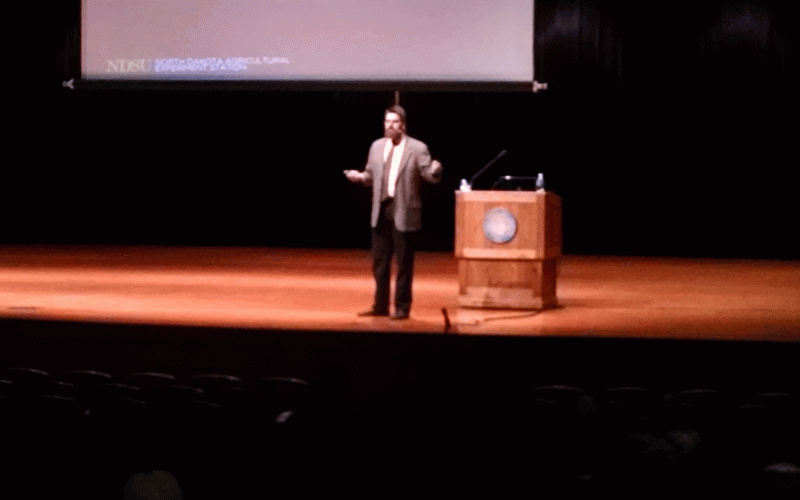
Eating Like a Pig is Healthy
On Thursday, February 25, 2016, Dr. Eric Berg gave a presentation at South Dakota State University on “Eating Like a Pig: The Role of Meat in the Human Diet” as part of the University’s Speakers series.

Bull Check Up
Cattlemen can increase the breeding capacity of bulls through proper care prior to the breeding season. Because the production of sperm cells require 60 days with several factors having a potential negative impact on breeding ability, it is time to begin evaluating bulls now to ensure they are ready for the breeding season.
Youth for the Quality Care of Animals (YQCA) in South Dakota 4-H resources
About YQCA – the national program
Youth for the Quality Care of Animals (YQCA) is a national multi-species quality assurance program for youth ages 8 to 21 with a focus on three core pillars: food safety, animal well-being, and character development. The YQCA program is an annual certification created for youth producing and/or showing beef cattle, dairy cattle, sheep, meat goats, dairy goats, swine, poultry, and rabbits. The program has been designed by extension specialists and national livestock program managers to ensure it is accurate, current and relevant to the needs of the animal industry and shows, and is appropriate for youth learning levels.
Trade Impacts on Soybeans
Agricultural trade agreements were first established in the General Agreement on Tariffs and Trade (GATT), legal treaty signed initially by 23 nations in 1947. The purpose was to promote international trade by reducing barriers such as tariffs.
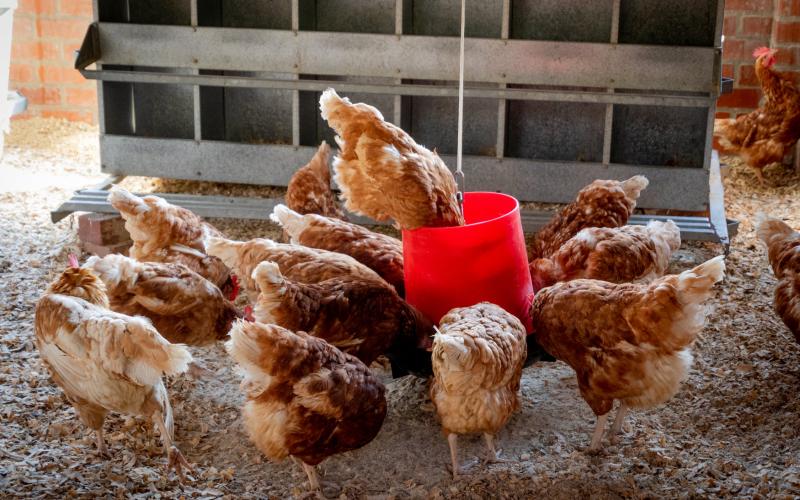
Tips for Feeding Poultry Wisely
During the March 1st Animal Care Wednesday Webinar, we learned the basics of feeding poultry. Brett Kreifels, Extension Assistant-4-H with University of Nebraska-Lincoln, explained the nutritional requirements and basic feeding tips to help ensure the health and well-being of chickens.