Search
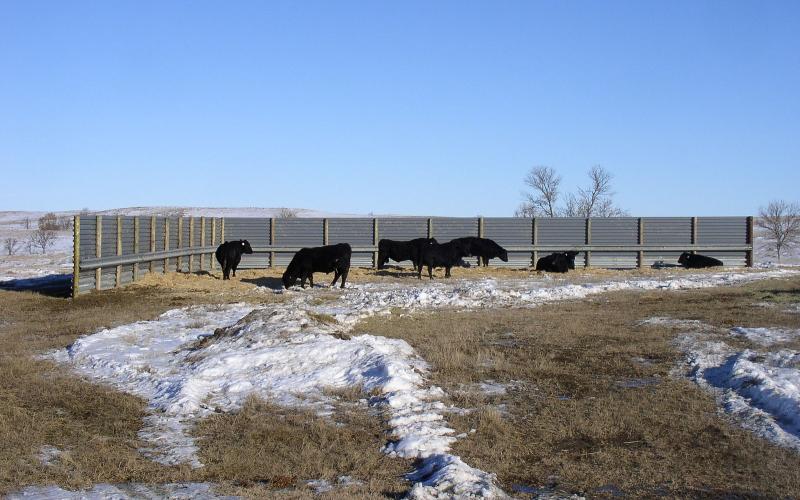
Don’t Discount the Need for Vitamin A and E in Beef Cows During Winter
Supplying sufficient Vitamin A and Vitamin E to cows in late gestation is important every year. Vitamins A and E are plentiful in green forages, but tend to be much lower in hay and winter range and continue to decline as the fall and winter progress.

Ferns: A Classic Shade Garden Plant
When people think of a natural, shady area in the woods, they probably expect to see ferns growing there. Ferns are commonly found where they get at least some sun during part of the day, or where they receive dappled sunlight most of the day.
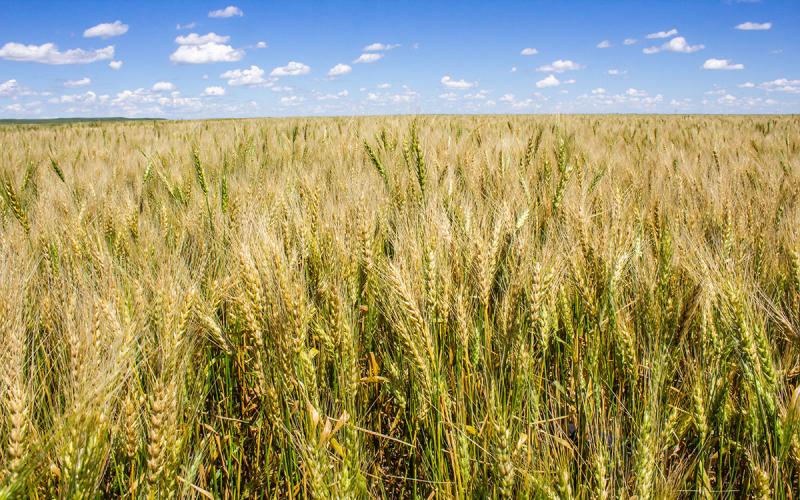
Winter Wheat and Nitrogen: Decisions for 2026 Growing Season
With fertilizer representing one of the largest variable costs in wheat production, inefficient nitrogen use can quickly erode profit margins. This being said, an emphasis should be placed on how to improve nutrient management during the 2026 growing season.

The Dietary Guidelines for Americans 2020–2025
The 2020–2025 Dietary Guidelines for Americans include dietary recommendations for all life stages, from birth to older adulthood, along with pregnant and lactating women.
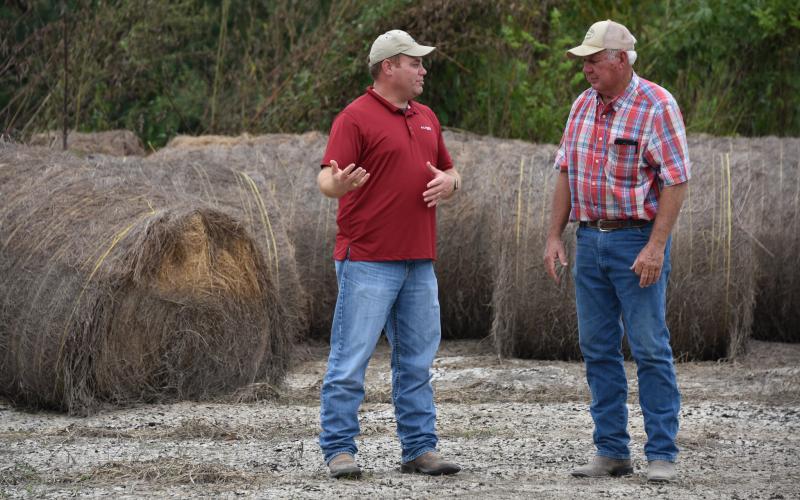
Four Feedback Foes
While annual performance reviews are valuable to the productivity of your operation and communication with your employees, constant communication throughout the year is even more valuable.
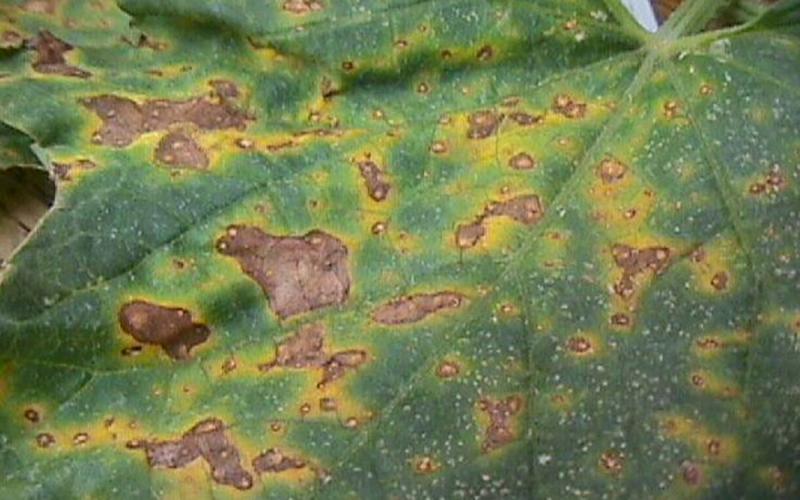
Cucurbit Diseases in South Dakota
Cucurbit crops grown in both the field and in high tunnels face disease pressure from many fungal and bacterial diseases. Learn how to identify and manage some of the most common ones.
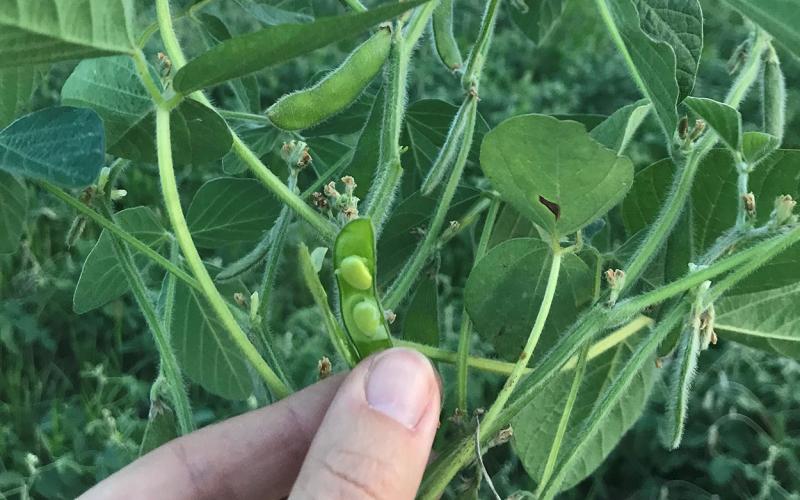
Salvaging Drought-Stressed Soybeans as Feed
One of the more popular questions we’ve been receiving lately involves using soybeans as forage. Although the soybeans planted for grain are not typically bred for forage use, we can salvage the crop for said forage if need be.
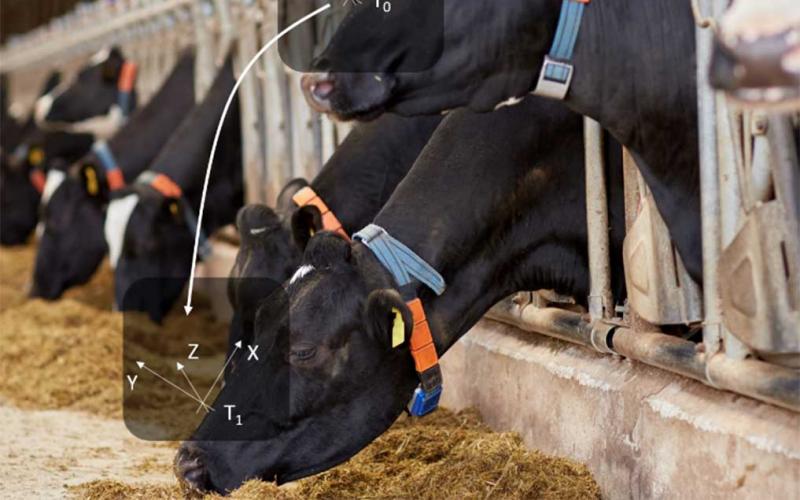
New Sensor Technology to Estimate Feed Intake in Lactating Dairy Cows
The use of sensor technology to advance the field of precision livestock farming is becoming more predominant in modernized dairy farms.
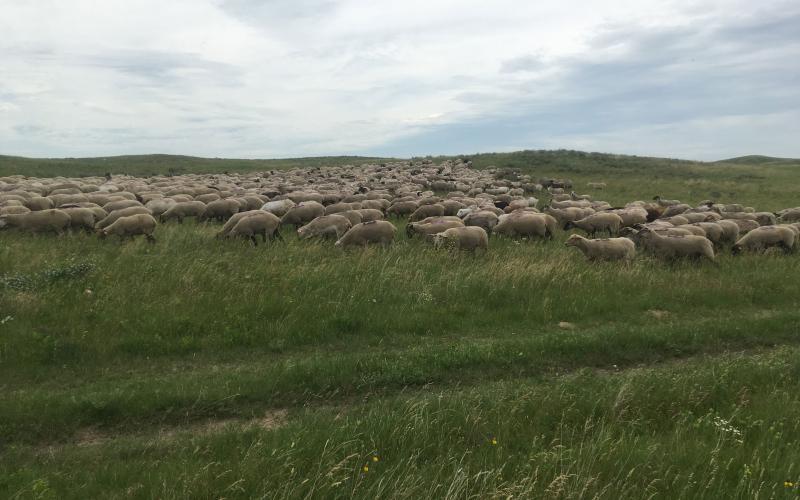
Multi-Species Grazing as an Alternative to Pasture Spraying
Broadacre spraying of pastures is intended to reduce undesirable plants and increase grasses for livestock. This practice often results in unintended consequences, including damage and reduction of native forbs and reduced profitability. One approach to managing perceived “weedy” plants is incorporating different species of livestock into a grazing operation.
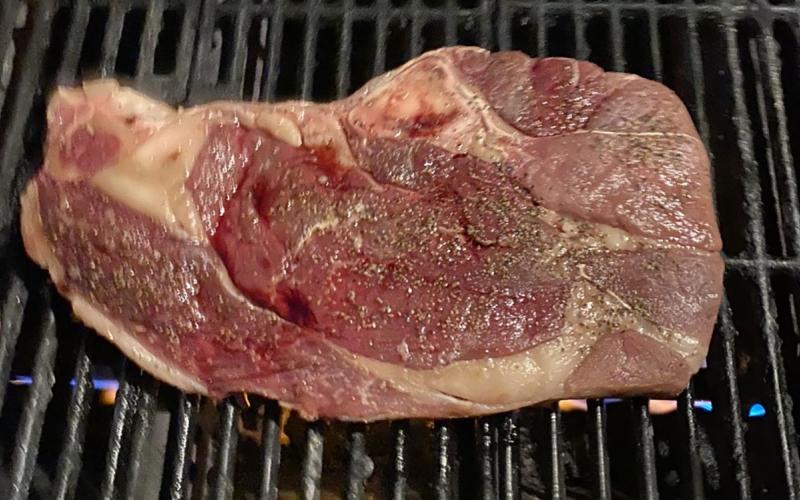
Picking the Perfect Steak
As grilling season is getting into full swing, many grillers are in search of the perfect steak. Whether you prefer flavor, tenderness or marbling, learn some expert tips to select a steak that's right for you!