Search

Critical Period of Weed Control: A good, but not perfect guideline
The critical period of weed control is the period during a crop lifecycle when weeds need to be managed to avoid a significant yield loss.
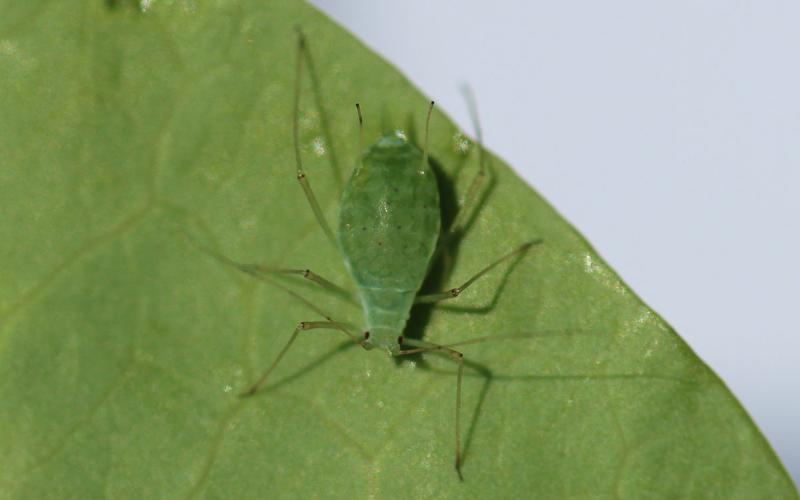
Monitor Alfalfa for Pea Aphid Activity
Pea aphids can cause yield reductions to alfalfa when large populations are present. Prolonged feeding by these populations can even cause the alfalfa fields to take on a “golden” color.
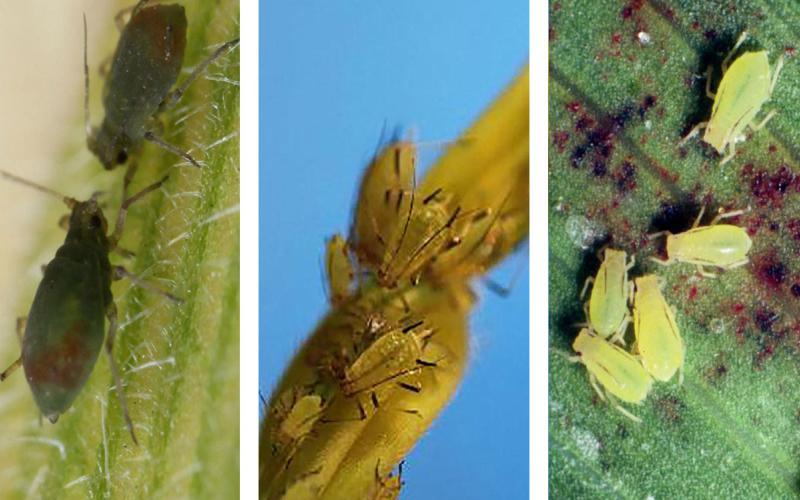
Aphid Populations Detected in Wheat
Aphids are present in South Dakota wheat fields, and that means it’s time to start scouting.
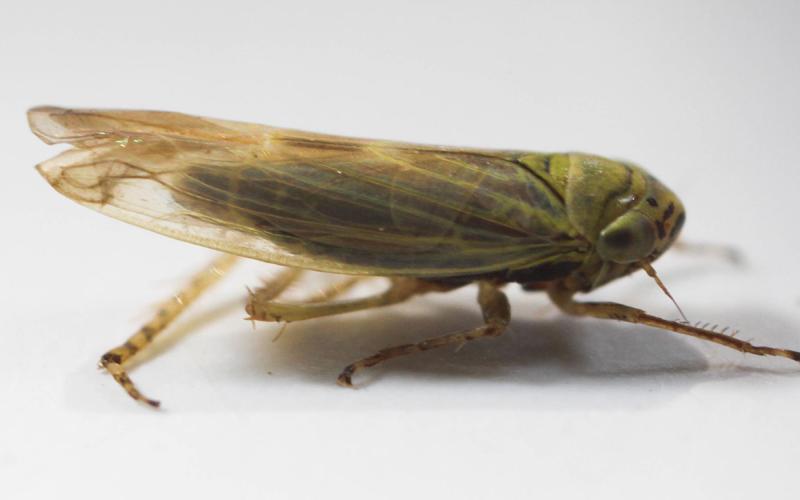
Aster Leafhoppers Detected in South Dakota Wheat
Aster leafhoppers are present in wheat again this spring. For the last few years, aster leafhoppers have been a common occurrence in South Dakota wheat.
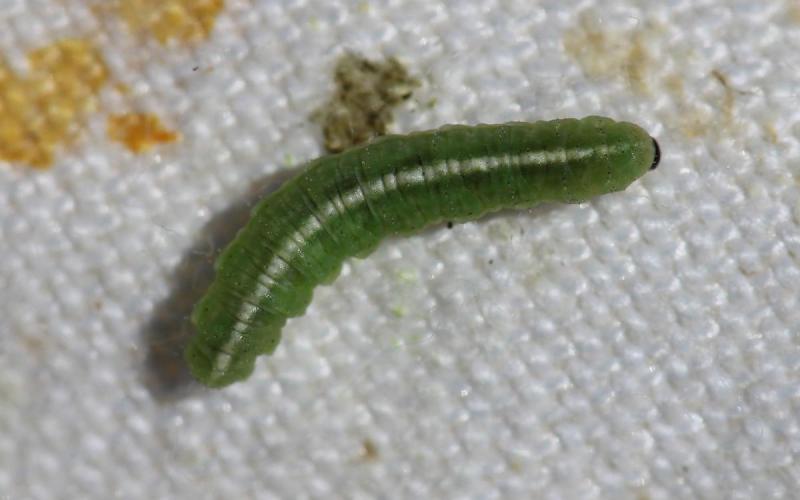
Alfalfa Weevil Activity Prediction Update: June 5, 2024
Although the degree day estimates suggest that alfalfa weevils are no longer active in the fields and should be pupating, scouting has indicated otherwise.
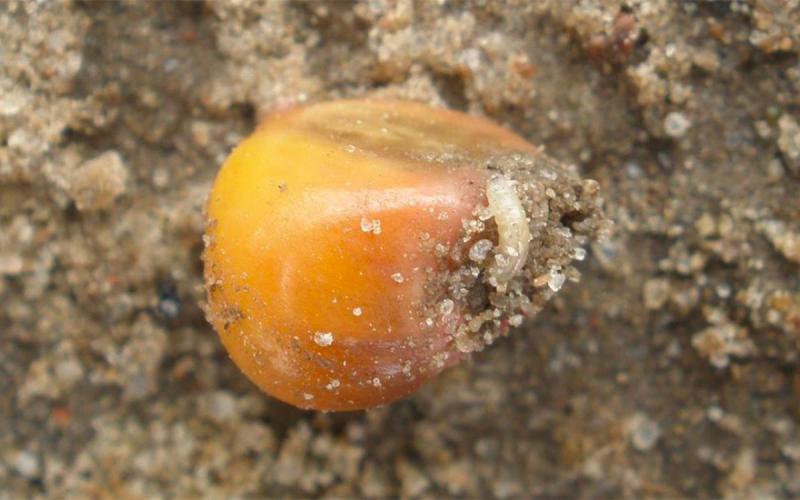
Seedcorn Maggot Degree Day Activity Estimates: June 5, 2024
Peak emergence of the second generation of seedcorn maggots is occurring in a few areas of the state. The rest of the state is between the second and third generation emergences.
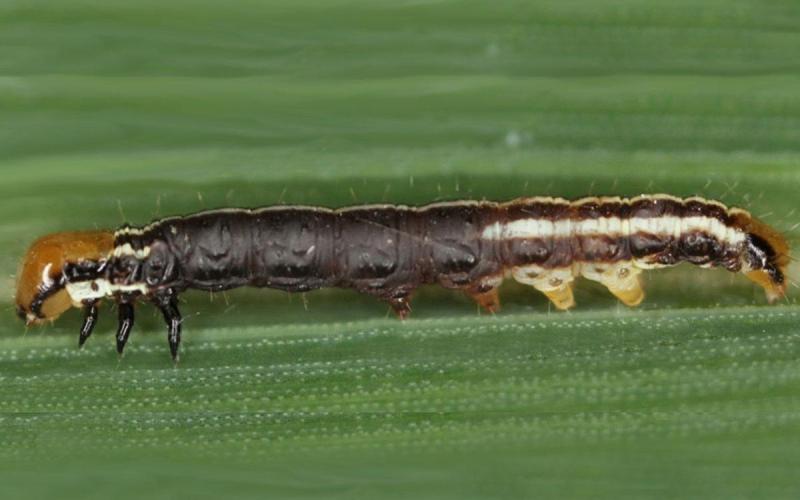
Common Stalk Borer Activity Estimate: June 5, 2024
In southern South Dakota, enough degree days have accumulated for common stalk borer caterpillars to begin moving from alternative hosts into corn. Fields should be monitored for leaves with signs of defoliation.
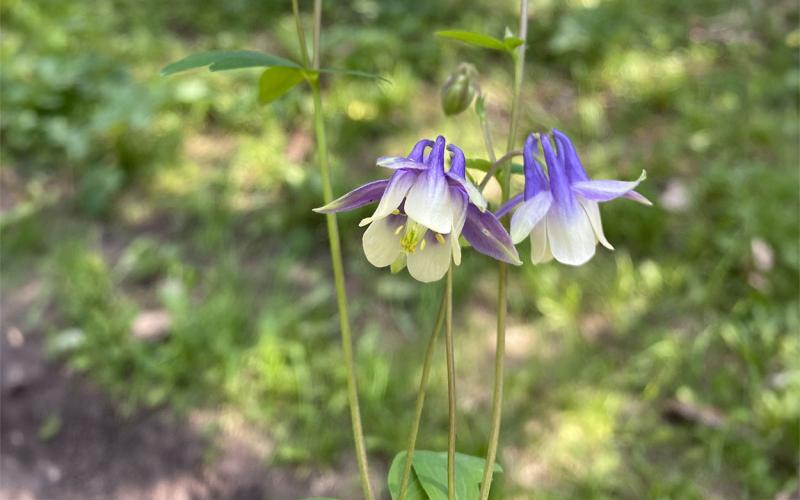
Native Plants to Know: Small-Flowered Columbine (Aquilegia brevistyla)
Aquilegia brevistyla, or small-flowered columbine, is a native, perennial, herbaceous plant in the Ranunculaceae (buttercup family) that grows in cool, shaded, canyons in the Black Hills of South Dakota.
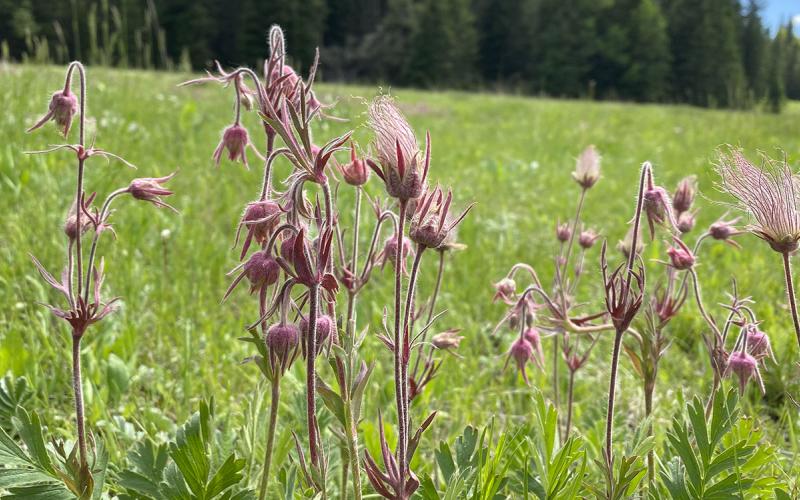
Native Plants to Know: Prairie Smoke (Geum triflorum)
Geum triflorum or Prairie Smoke (Rosaceae) is a flowering, herbaceous (non-woody stem) perennial, native to North American prairies known for its distinctive nodding and wispy flowers that resemble plumes of smoke
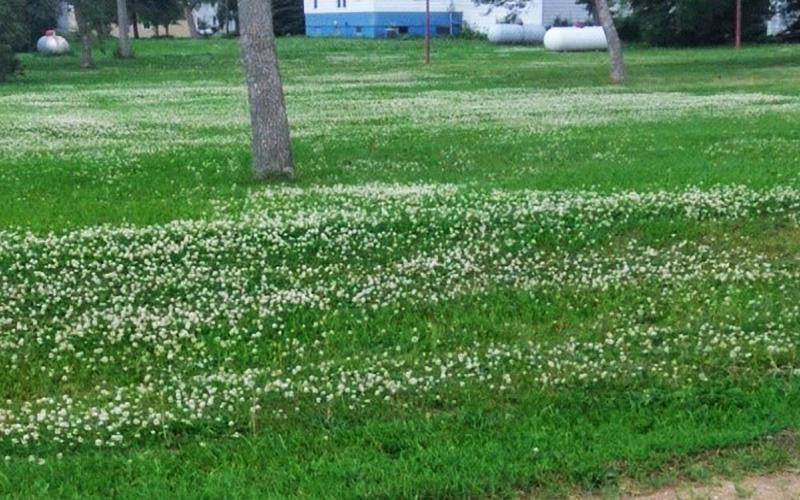
Buzzworthy Backyards: How Bee Lawns Are Reinventing Green Spaces
Bee lawns integrate a variety of low-growing perennials and fine fescues that not only require minimal maintenance, but also actively support local wildlife, particularly bees