Search
SDSU Extension to host off-season Garden Hour webinar series
October 02, 2023
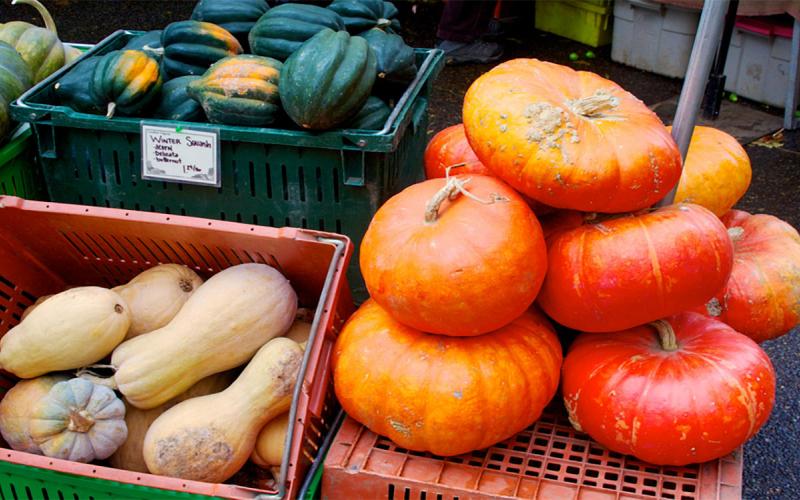
South Dakota State University Extension will host four off-season Garden Hour webinars, starting in October 2023.
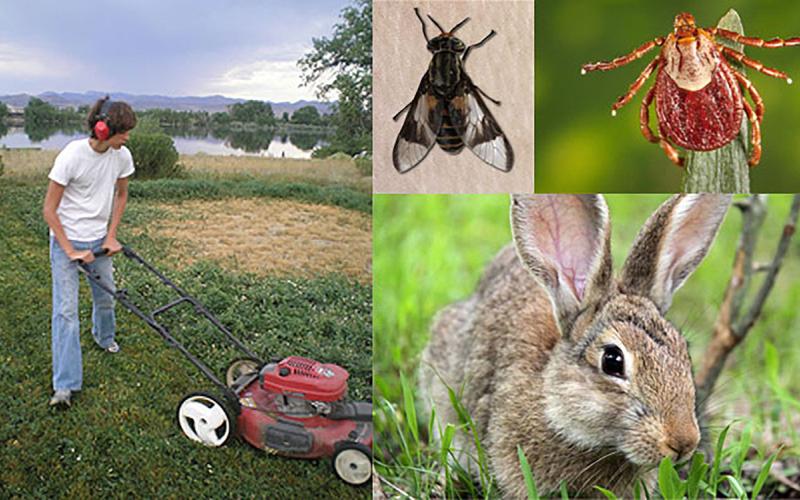
Tularemia in Animals in South Dakota
Tularemia is a relatively rare, but serious, disease that has potential to cause disease in people through their contact with infected animals or insect vectors. Learn how it's transmitted, diagnosed and treated.
Next 'Notes from the Field' Webinar to be held June 4
June 01, 2021
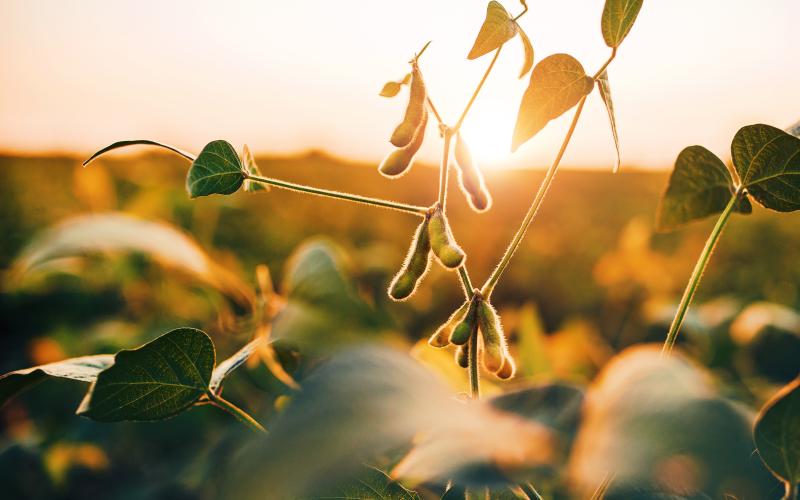
South Dakota growers and agribusiness professionals are invited to join soybean research and Extension specialists from land-grant universities across the country as they host the monthly webinar series, "Science for Success: Notes from the Field."

Mental Health and Creativity
Did you know that there are health benefits to being creative? It’s true! Even simple creative acts, such as coloring, have health benefits.

SNAP EBT Devices for the Farmers Market or Direct Market Farmer
Interested in offering SNAP EBT as a form of payment at your direct market farm or farmers market? Get started today with this resource that explores how to apply and how to select a payment device that fits your market's needs.
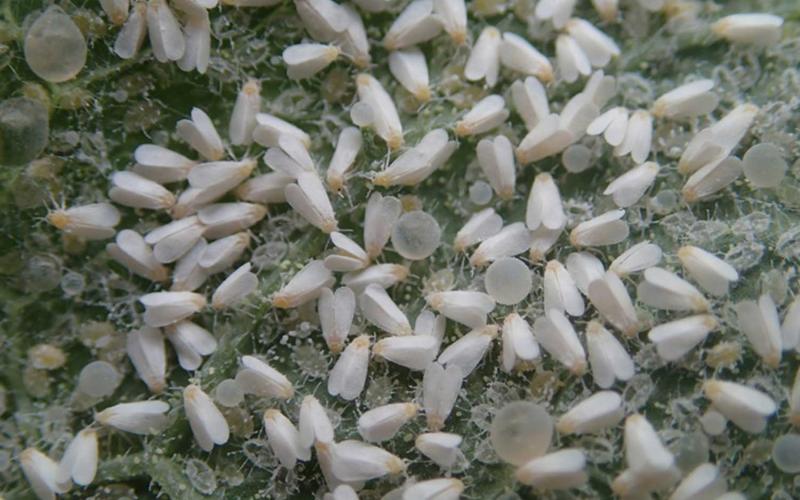
What Are These Small White Insects in My Soybean Field?
During the last two weeks we have received reports of increasing numbers of small white insects present on soybean. The insects in question are whiteflies.
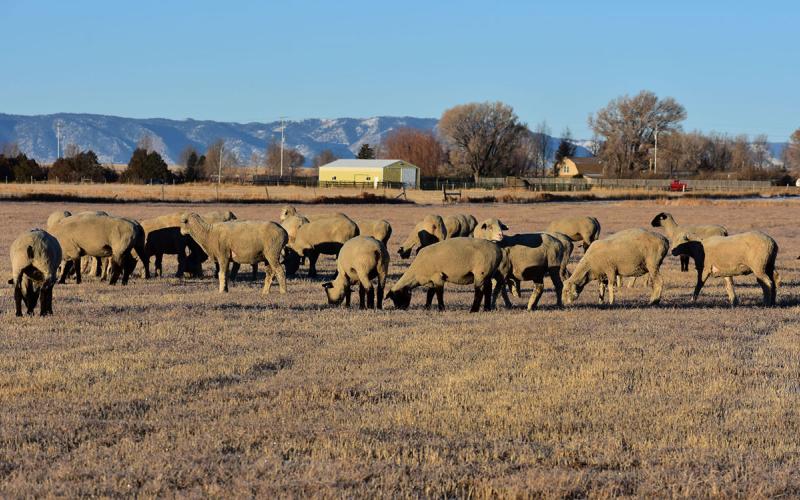
Supplementation Considerations for Ewes Grazing Dormant Winter Pastures and Rangelands
A recent collaboration between South Dakota State University and the University of Wyoming addresses the many questions surrounding grazing supplementation for sheep as forages enter dormancy.

Organize this! Facilitator Training and Certification
Organize this! facilitators guide participants through the program while creating a supportive and educational environment. Training ensures that facilitators have the knowledge needed to facilitate the program.
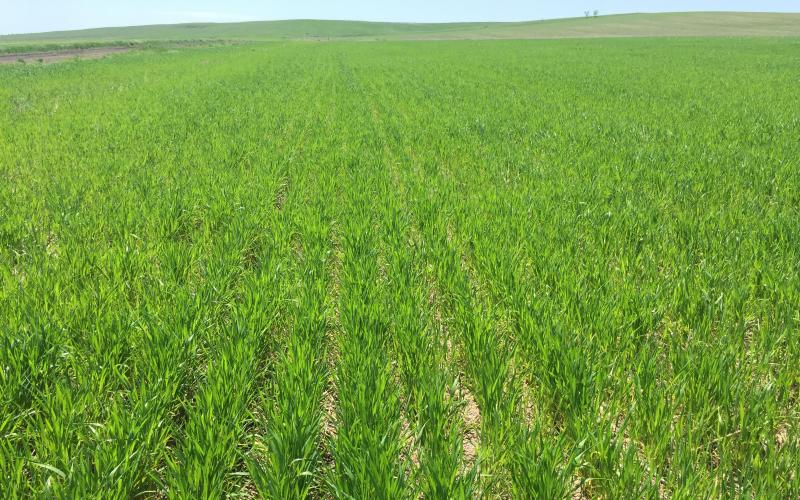
Planning for Quality in Wheat
Excess moisture and limited field days have made it difficult for producers to add nitrogen to wheat fields this year. This could be a concern, as nitrogen contributes to both yield and protein. This year, it may pay off to take tissue and soil tests from questionable wheat fields to help with nitrogen application decisions.
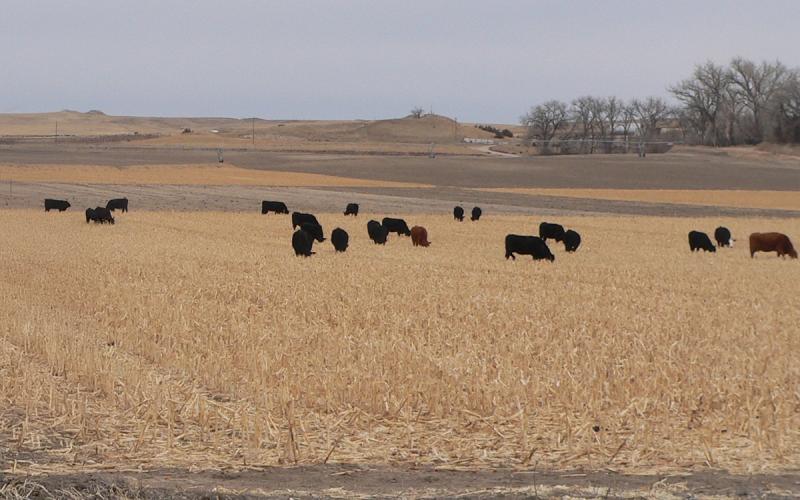
Why Cropland Grazing Now?
The evidence is consistent: cropland grazing delivers measurable economic returns, proven soil health benefits, and growing adoption in South Dakota.