Search
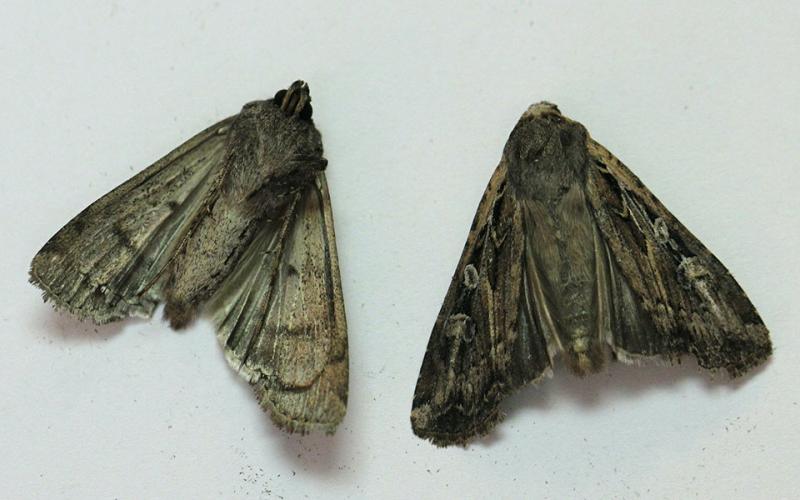
Army Cutworms Beginning To Take Flight
Army cutworm moths were collected in a black light trap near Sturgis this week. This is an indicator that army cutworm caterpillars have finished feeding on available vegetation.
Veterinarians Remind South Dakota Cattle Producers To Include Anthrax Vaccination This Spring
May 23, 2022
SDSU Extension and South Dakota Animal Industry Board veterinarians are encouraging South Dakota cattle producers to include the anthrax vaccine in their vaccination program when they turn out cattle to summer pastures this spring.

Marketing Your Hometown
Is your small town ready to grow? Learn how Marketing Hometown America, an Extension-based program, can help your community develop a plan to attract new residents!
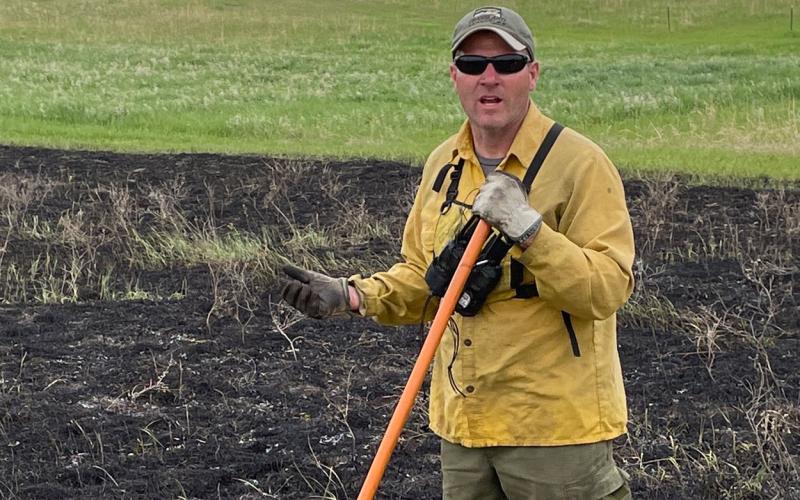
SDSU Extension Field Specialist Named Wildlife Professional of the Year
May 25, 2022
Pete Bauman, SDSU Extension Natural Resources and Wildlife Field Specialist, received the Wildlife Professional of the Year award from the South Dakota Chapter of The Wildlife Society at its annual meeting held March 3, 2022.
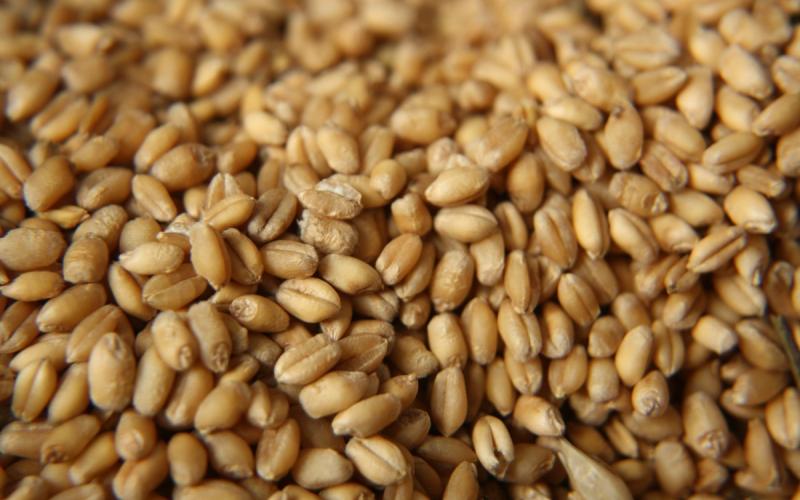
Fungicide Seed Treatments for Winter Wheat
As producers are preparing to plant winter wheat, one of the decisions to make is whether to use a fungicide seed treatment, and if the answer is yes, which product to use.
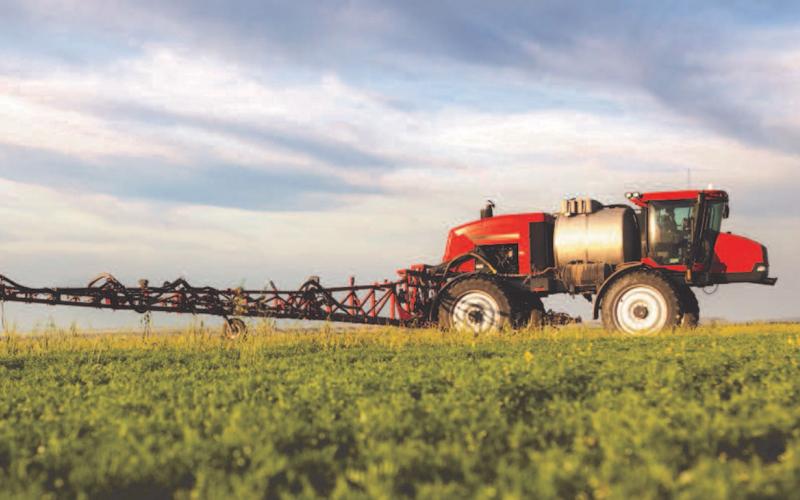
Boom Sprayer Calibration
Fact sheet on calibrating a boom sprayer to minimize damage to plants and reduce environmental impact
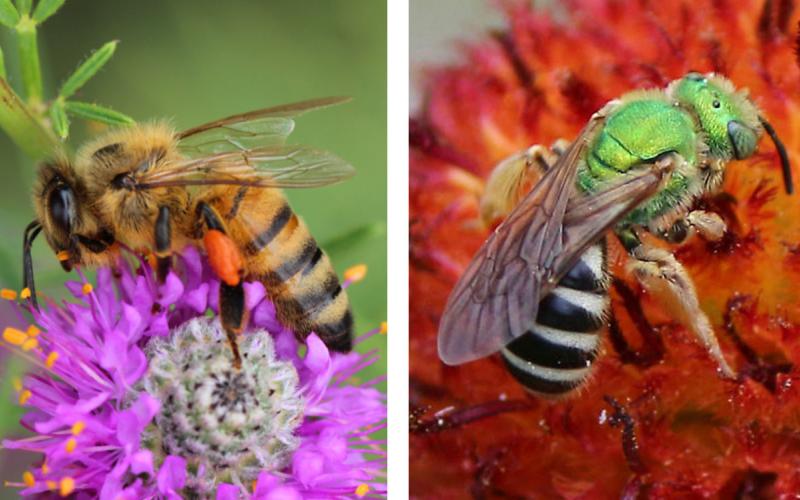
Beneficial Pollinators: Honey Bees and Bicolored Striped-Sweat Bee
With temperatures increasing in South Dakota, expect to see an increase of beneficial pollinators searching for blooming plants. Learn about two important pollinators, the honey bee and the native bicolored striped-sweat bee.
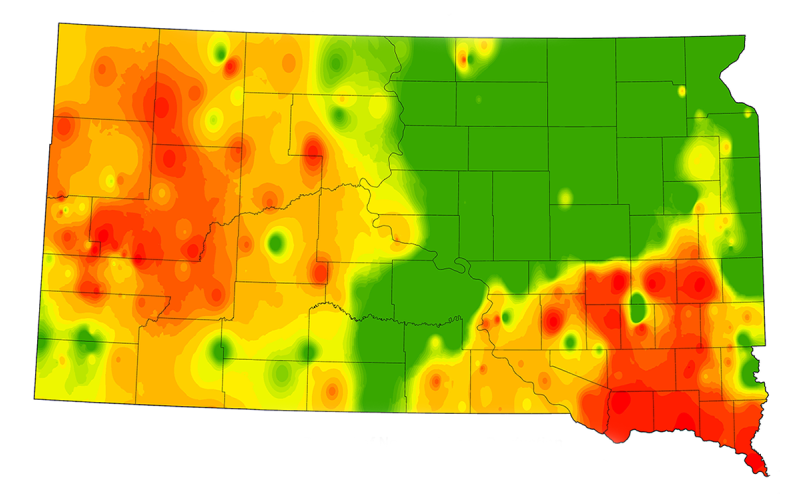
Herd Inventory Centers on Feed Available
With drought conditions continuing across the state, livestock producers will be making hard decisions on livestock inventory numbers as pasture and feed availability become an even more significant factor.
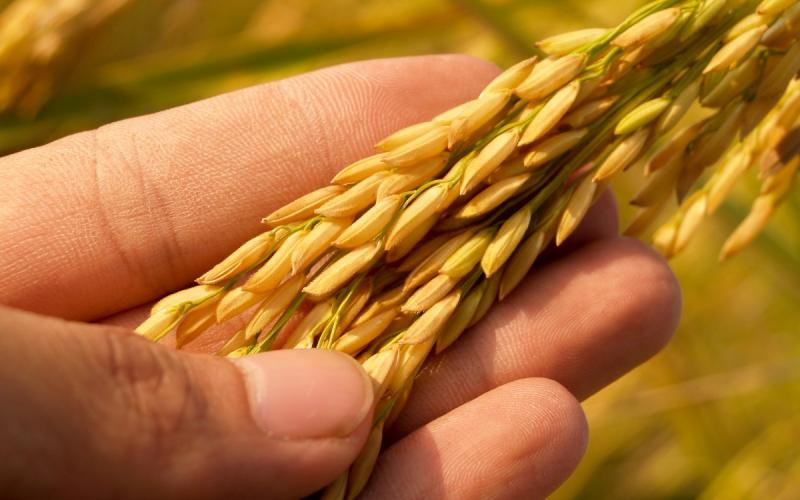
Improving Protein Content in Wheat
Wheat producers in South Dakota always strive to grow a premium product. Quality in wheat often depends on test weight and protein content.

Phosphorus and Algal Blooms (Part 1 of 4)
This week we are joined by Dr. Lindsey Pease, an assistant professor and extension specialist in nutrient and water management at the Northwest research and outreach center for the University of Minnesota, and Dr. Chad Penn, a soil scientist for the USDA Agricultural Research Service and an adjunct professor at Purdue University.