Search

bunches of Aronia berries still on a bush

What is This Fruit… And is it Edible?

In mid- to late-summer, we often get the questions: “What kind of fruit is this?” and “Is it edible?” To identify a fruit, it is helpful to know both plant and fruit characteristics: Woody or herbaceous plant? Vining or upright? Do the leaves attach to the stem opposite each other (i.e., paired), or do they alternate from one side of the stem to the other? What size and color are the fruit? Is each fruit’s stem attached directly to the twig, or are they in a cluster that attaches to the twig? And, one question I find often helpful in distinguishing among smaller fruits, does it have a single pit, or are there several seed in each fruit?

Famer reviewing information on a computer screen in a workshop.

SDSU Basis Report: Monitoring Agricultural Market Dynamics

The SDSU Basis Report application provides an interactive platform for monitoring basis values, representing the difference between the cash price paid for grain locally and the nearby futures price.

SDSU Extension Winter Wheat Variety trials. One plot is showing more yellowing and stress than other plots.

Low Temperature Effects on Winter Wheat

Low temperatures during the early morning hours of May 9–11, 2020 may have had detrimental effects on winter wheat in some areas of South Dakota. However, cooler spring temperatures that have slowed the winter wheat development this year may have actually been beneficial to S.D. producers, as later-maturing wheat is not as susceptible to injury from freezing temperatures.

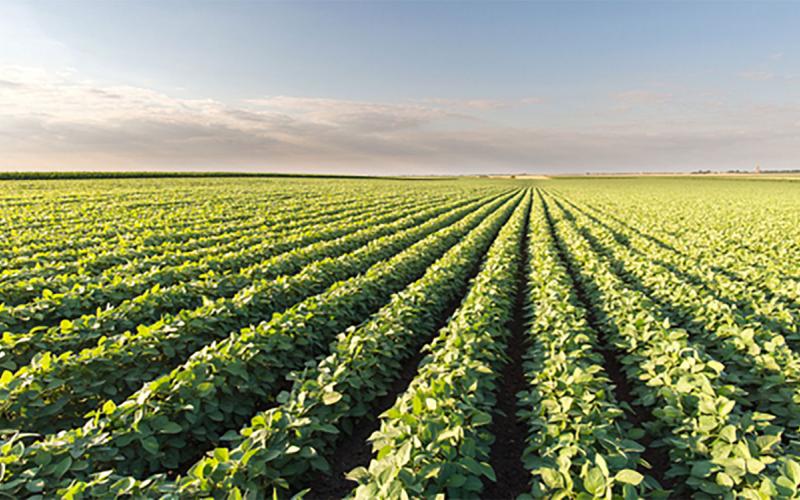
soybean pods

Best Management Practices for Soybean Production

This is your unbiased, research-based guide to soybean production to help increase yield, reduce input costs and protect your investment.

A soybean root with several small white cysts growing on it.

Soybean Cyst Nematode in South Dakota: History, Biology, and Management

Factsheet about Soybean Cyst Nematode history, biology and management in South Dakota

A lush, green cluster of garden peas with several pods developed.

Peas: How to Grow It

The most common type of pea in American gardens is the shelling pea, also called the “garden pea” or “English pea.” Tender, sweet peas are removed from thin, tough pods before eating.

A series of hog barns.

Virtual PQA Plus and TQA Certification Training Available

May 19, 2020

The National Pork Board has recently announced the opportunity to offer and complete Pork Quality Assurance (PQA) Plus and/or Transport Quality Assurance (TQA) certifications virtually.

Green beans growing a garden.

Green Beans: How to Grow It

Snap beans, also called “green beans” or “string beans” (although most modern varieties do not have strings) are harvested when the pods contain immature seeds, and the pods are still succulent.

A diseased pig lung

Get to the Root of Porcine Respiratory Disease Complex

Respiratory disease incidence increases in swine in the fall and winter. Changeable weather seems to trigger outbreaks. You and your veterinarian can supply meaningful samples to aid in determining a diagnosis. Contact your local diagnostic laboratory if you have questions on sampling.

A small group of black angus cattle in a feedlot.

Bigger Cattle. Warmer Weather. What Can Go Wrong?

The disruptions in the beef processing sector caused by COVID-19 continue to interfere with the orderly marketing of finished cattle. While we all hope that the situation is resolved quickly, the reality is that because the shipment of so many harvest-ready cattle has been delayed, there will be increased numbers of heavier cattle on feed for the foreseeable future.