Search
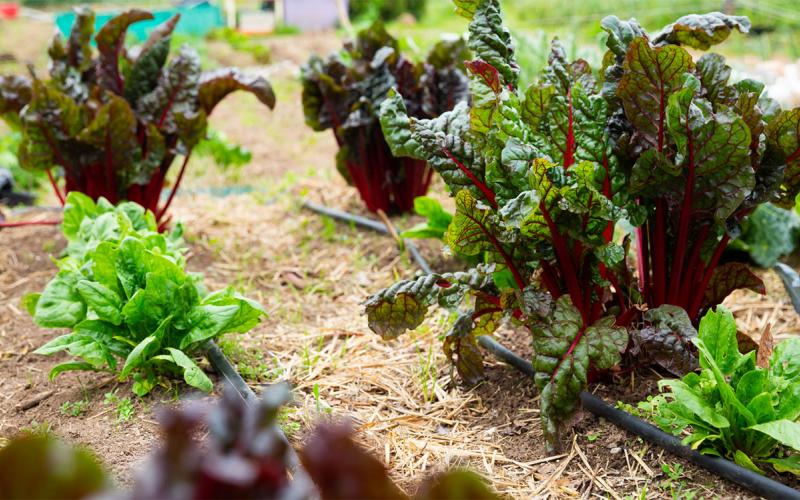
Vegetable Gardening During a Drought
In a drought, getting water to plants is a priority. The following management tips will help you efficiently use water and maximize other gardening practices to achieve a healthy and productive garden.
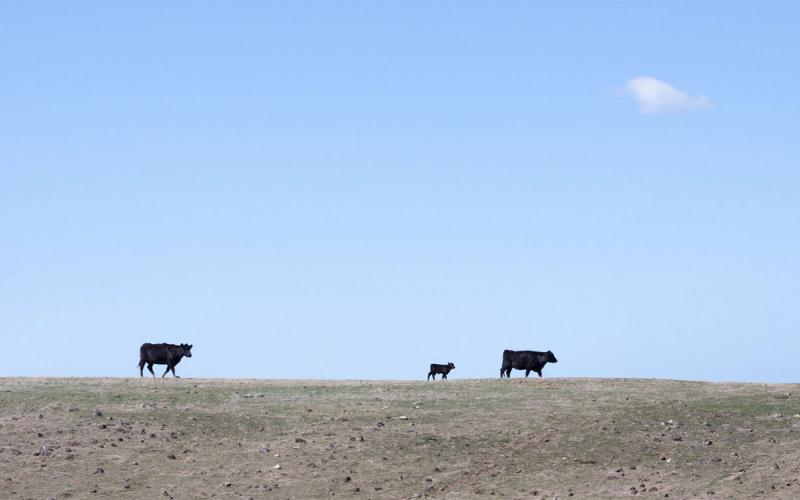
Managing For Annual Swings in Forage Production
Being able to adapt your stocking rate and grazing intensity to fit forage conditions provides you with tangible management actions you can take to protect your pastures from overgrazing in any year.
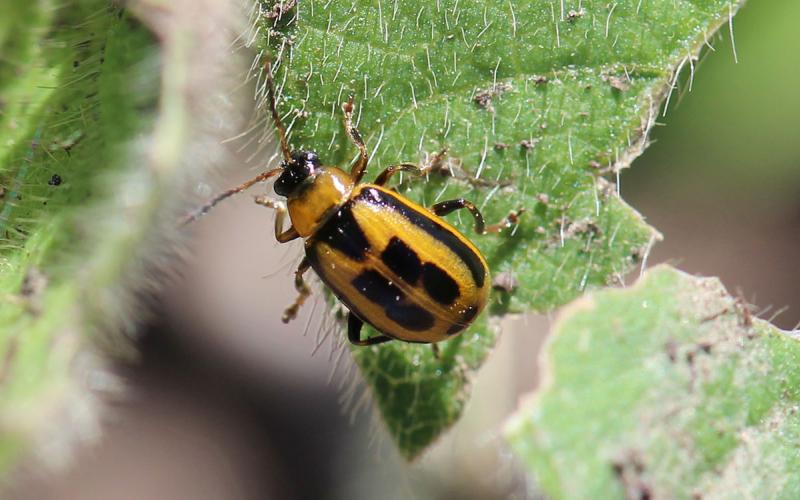
2021 South Dakota Overwintering Bean Leaf Beetle Predicted Mortality
Bean leaf beetle emergence is approaching, and it’s important to start thinking about this pest. Once soybean begin emerging, overwintering adult beetle populations will move into soybean fields and begin feeding on seedlings.
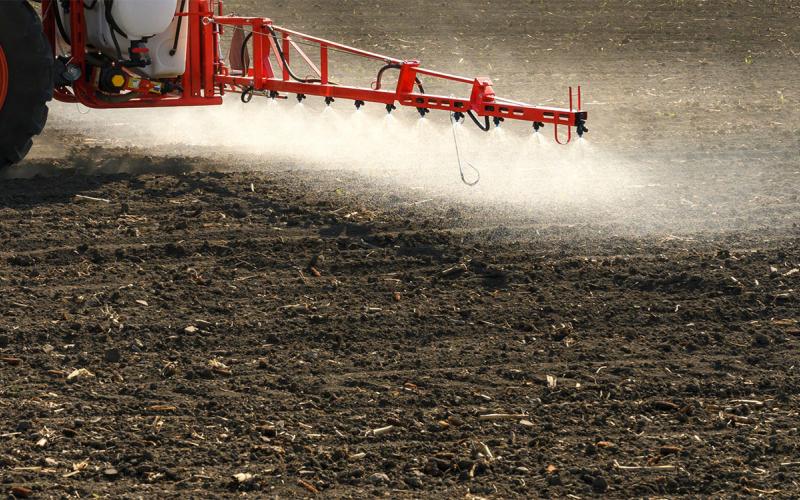
How Well Will Pre-Emergence Herbicides Work in 2021?
It is always good to start with a pre-emergence program to prevent weeds from becoming resistant. With the spring starting out below normal in subsoil, there are questions as to how well preemergent herbicides will work.
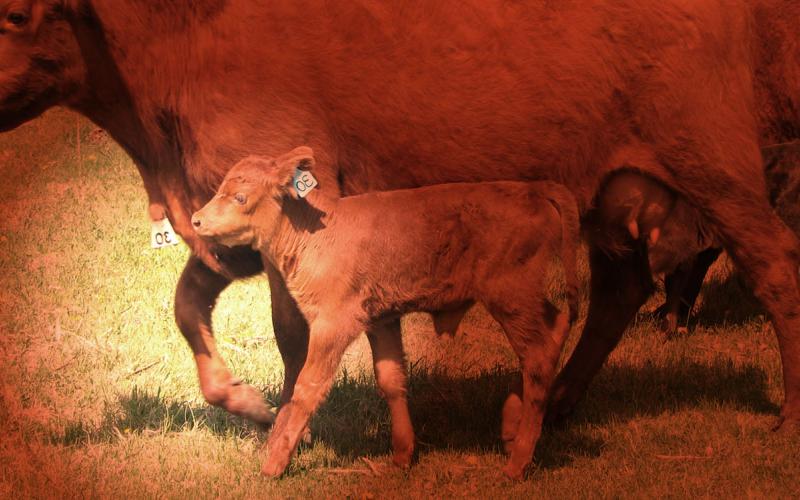
The Many Shades of Cattle Lameness
Lameness in cattle is a commonly encountered condition stemming from pain in one or more limbs, impacting how an animal moves. Learn some of the obvious and subtle symptoms to check for when lameness is suspected in your animal.
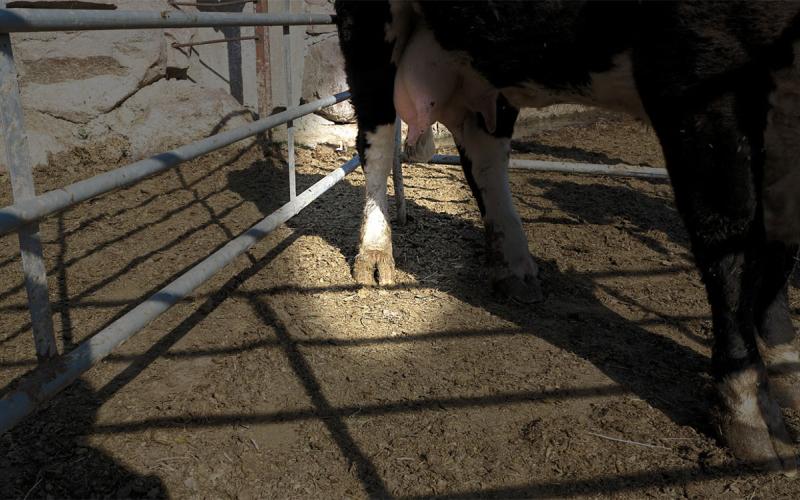
Lameness in Cattle: Causes Associated With Infections
Infections are among the most-common reasons for lameness in feedlot and adult cattle, and in some cases they can be treated or prevented with more success than other causes of lameness.
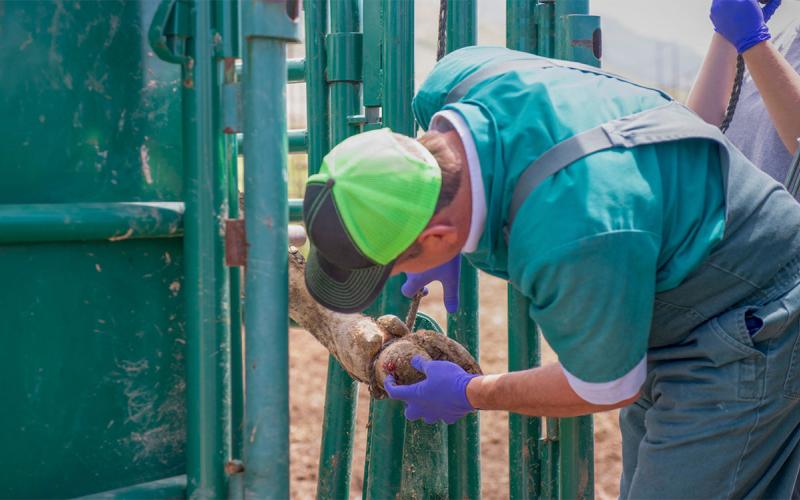
Getting to the Bottom of Cattle Lameness Cases: Diagnosis
Making the right decisions about how to deal with a lame animal depends on how accurately the cause of the lameness can be diagnosed and localized.
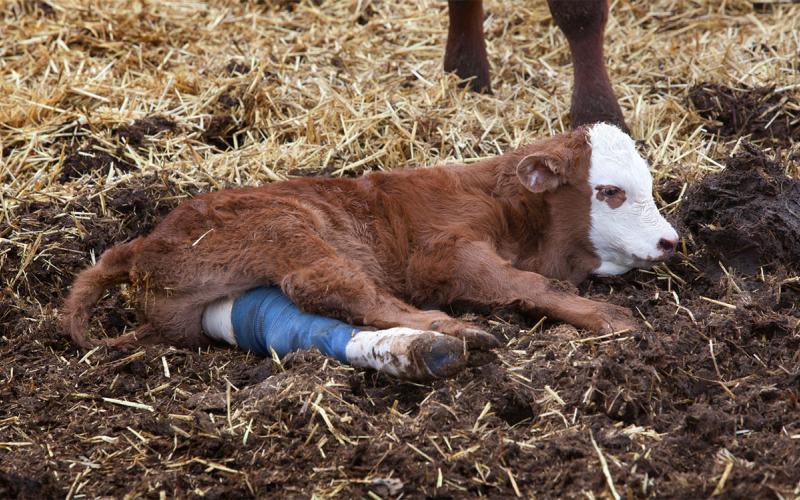
Treating Lameness in Cattle
Successfully treating most cases of cattle lameness usually involves more than a simple injection of antibiotics. Knowing the best intervention for a particular animal starts with a good diagnosis of the problem.
South Dakota Range Camp Set for June 29–July 1
April 12, 2021
SDSU Extension is partnering with staff from the United States Forest Service, Bureau of Land Management and Natural Resources Conservation Service to provide a three-day event, the South Dakota Natural Resource Professionals Range Camp.
Adaptive Management: One Strategy To Increase Your Operation’s Flexibility and Resiliency
Adaptive management is a strategy that livestock producers can use to manage year-to-year variability in forage production and build drought resiliency for their operations.