Search

The Dish: Real Talk About Food
The Dish: Real Talk About Food is a direct education intervention designed to increase participants' daily intake of fruit and vegetables; whole grains; fat-free or low-fat dairy products; decrease daily intake of sodium and improve food resource management, food safety practices, and physical activity.
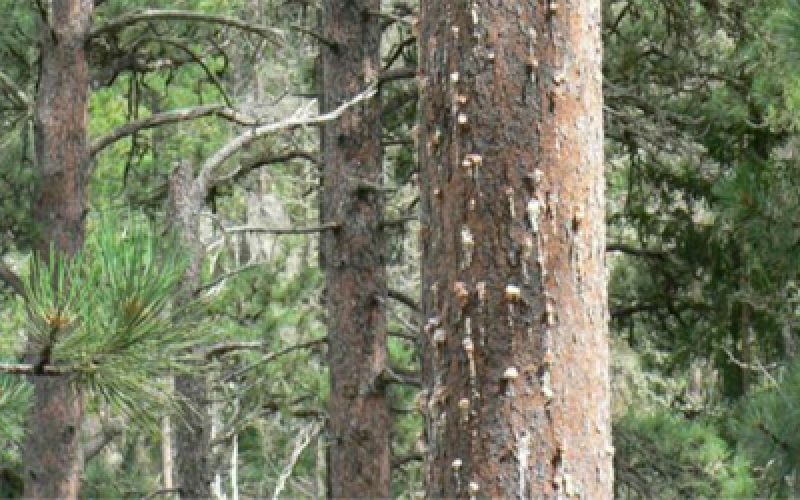
Insecticides for Protecting Pine Trees from Mountain Pine Beetle
There are no effective systemic pesticide treatments that will kill mountain pine beetle larvae inside the tree or adults as they emerge from an infested tree. Pesticide treatments are limited to protecting trees from becoming infested. These treatments are applied to the bark to kill the adult beetles as they land on the trunk and begin to burrow into the tree. This method of protection is highly effective and if the pesticides are applied at right time, losses may be as few as one or two trees for every hundred trees treated. However, only trees that are not infested should be treated. If a tree is already infested, pesticide application will not prevent the beetles from emerging and infested other trees.
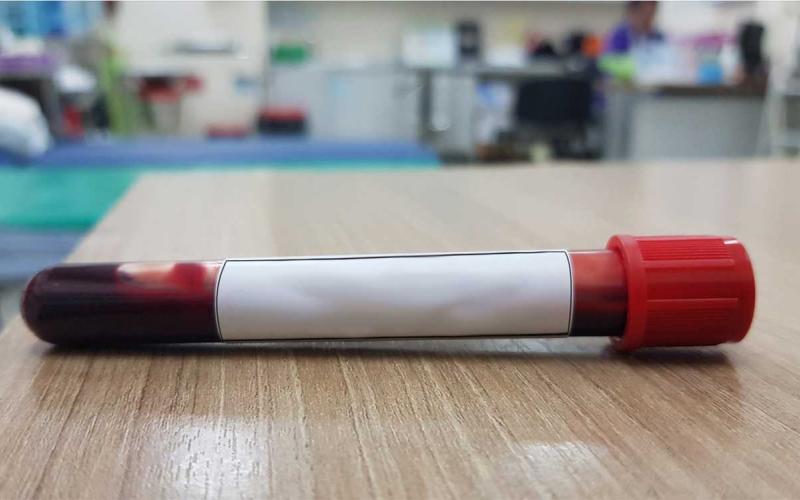
Minimizing the Neospora Threat by Using Serology in Beef Replacement Heifer Selection
Neospora caninum is one of the lesser-known causes of infectious reproductive failure in beef herds. It’s always possible for herds to encounter new Neospora infections in a given year, but in herds in which it’s already established, using Neospora serology can be one consideration in choosing replacement heifers.

Grain Overloads: A Possible Consequence of Cornstalk Grazing
Corn residues are a great source of winter feed, but in certain situations, cattle producers should be aware of the possibility of grain overloads, which can impact herd health.
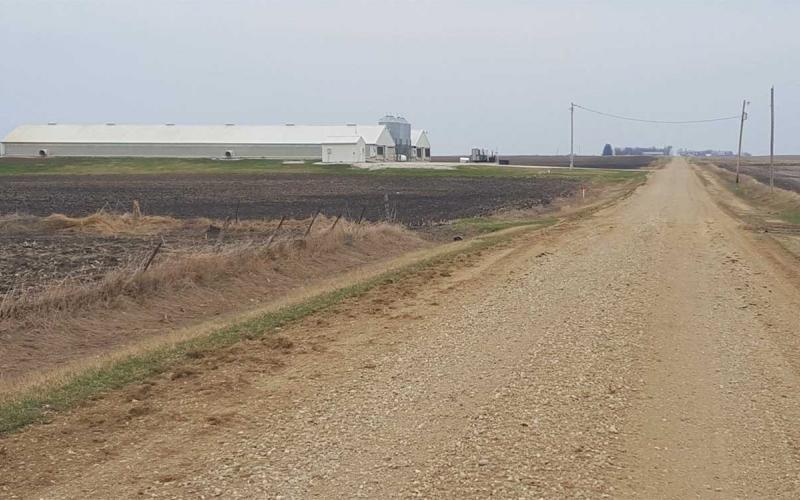
Air Infiltration in Swine Barns
Air infiltration in large, confined swine operations has been an on-going problem for producers for many years. Regardless of technological advancements in building design and construction, unwanted air penetration continues to be a consistent problem.
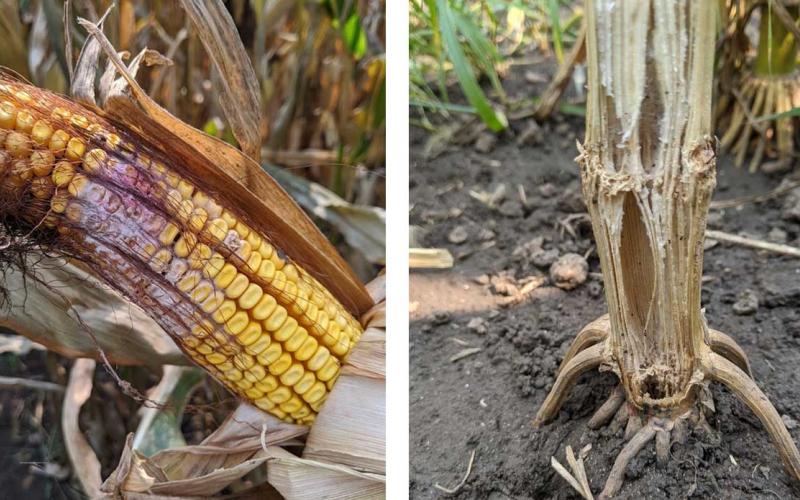
Corn Ear Rots and Stalk Rots: The Last Issues To Check for in Corn Before Combining
Before combining corn, it is recommended to scout your field for corn ear rots and stalk rots. It is important to scout corn fields for these two issues in order to make timely decisions on corn combining.
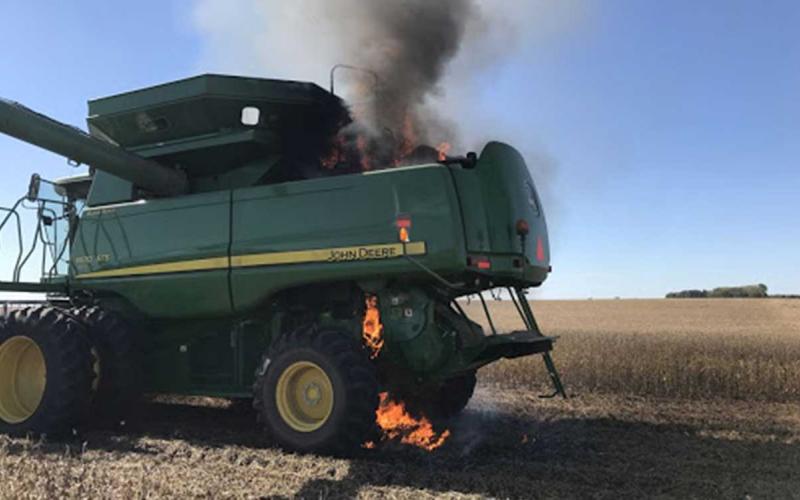
Avoiding Field Fires During Fall Harvest
With dry and drought conditions in the late summer and fall, crops dry down rapidly and harvest starts early. The climate outlook may be favorable for an uninterrupted run at harvest. However, the risk of fires during harvest is always a concern for farmers.
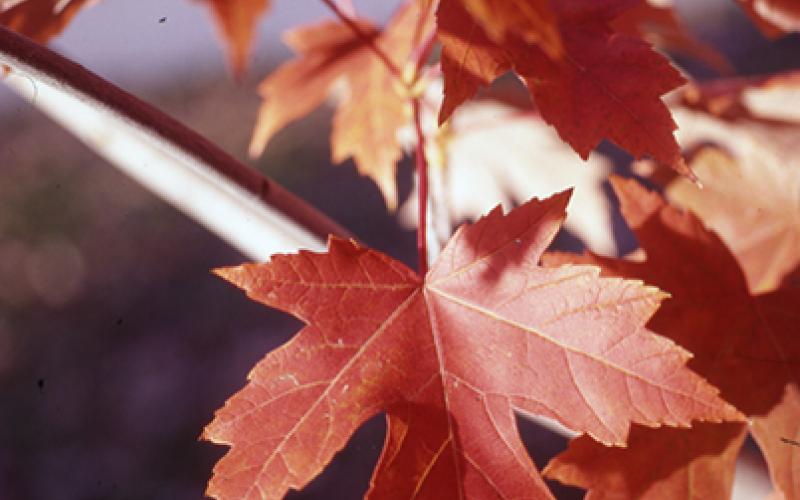
Autumn Blaze Maple
Autumn Blaze maple (Acer x freemanii ‘Jeffersred’) is probably the most popular of the Freeman cultivars. It forms a dense oval habit with ascending branches. Autumn Blaze has a rapid growth rate, is tolerant of droughty soils, hardy and it is able to grow on alkaline soils better than most other Freeman cultivars.
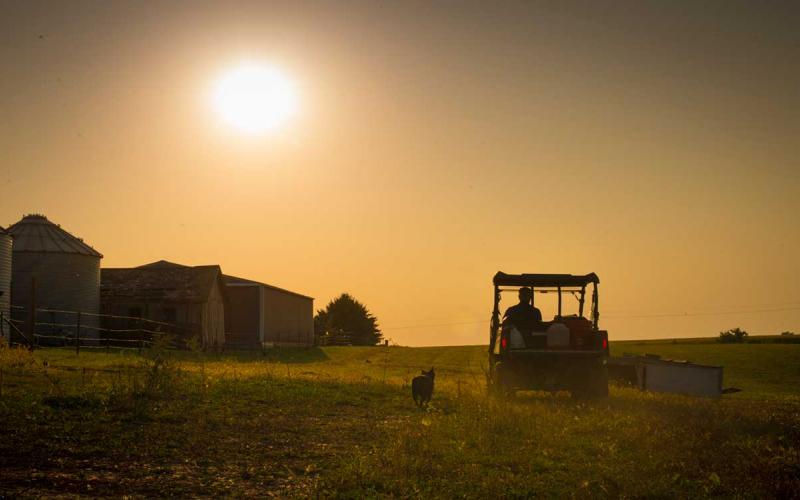
Use Caution When Fall Spraying Noxious Weeds in Pastures To Avoid Harming Desirable Plants
Noxious weed control is often a long-term process. In some cases, chemical application may be deemed necessary, but it should always be considered in the context of appropriate management and an integrated best management framework.
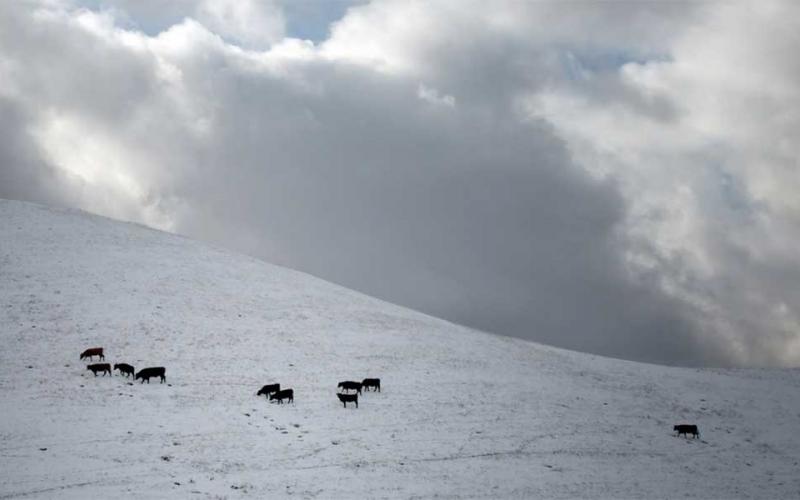
Rotational Grazing During Winter
Winter feed represents one of the largest costs for a livestock production enterprise. Grazing pasture that has been stockpiled for winter use is a rational alternative to limit costs resulting from both harvest and feeding of hay.