Search

Winter Management of Herd Bulls
Proactive winter bull management can positively impact reproductive performance in the upcoming breeding season. Learn some expert tips for getting herd bulls prepared for the colder months ahead.
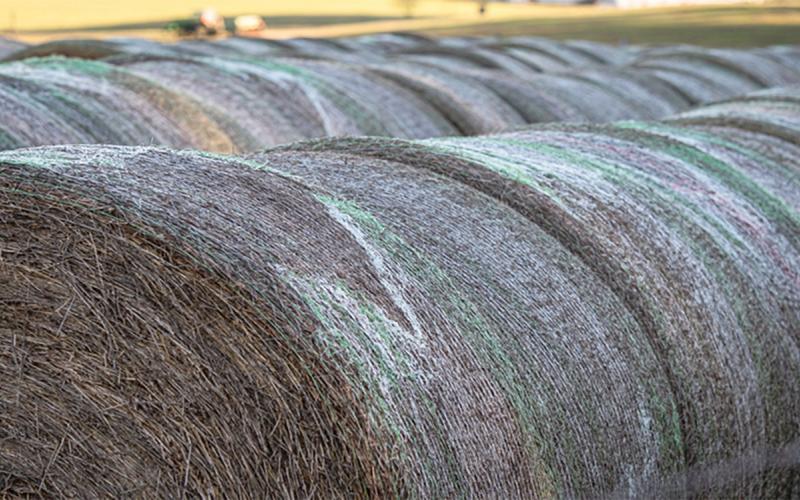
Best Management Practices for Reducing Dry Hay Storage Loss
When hay prices are high, proper storage is financially important. Learn some best management practices to reduce storage loss and ensure an adequate forage supply.
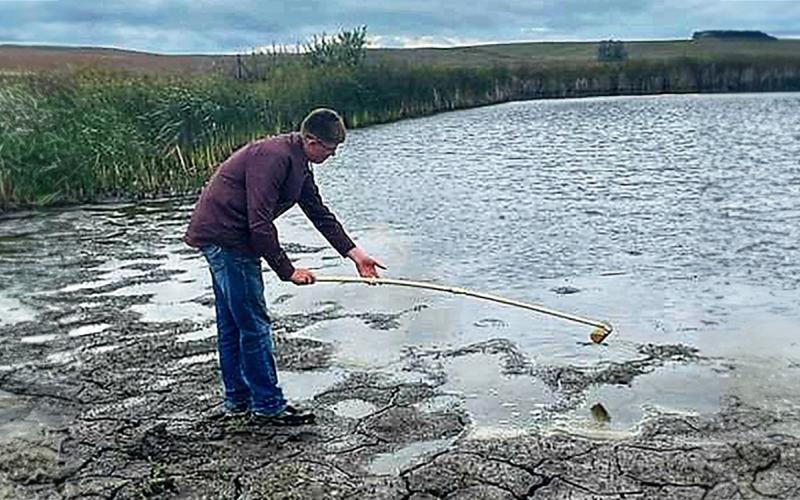
Performing a Field Test for Livestock Water Quality
Learn how to use some simple, readily available tools that can help analyze the quality of your livestock water sources right in the field.

Should We Sell Corn Stalks?
Grazing and baling corn stalks can offer producers financial and agronomic benefits, and also provide feed resources for cattle producers. Learn how to determine if it's the right decision for your operation.
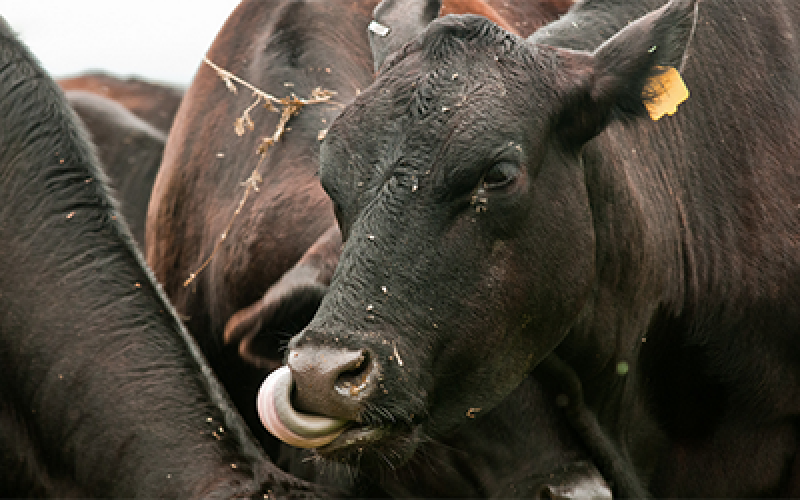
Understanding the Importance of Your Herd’s Energy Reserves
The energy reserves of a herd are a direct correlation to the nutrient supply and balance. Body condition scoring is a practical tool that is simple to implement and allows producers to analyze the energy reserves of their herd and manage winter feeding accordingly.

Soil Carbon Cycle and Laboratory Measurements of Carbon Related to Soil Health
Carbon is one the most-important elements in agricultural soils. Take in-depth look at how carbon is understood, measured, and managed to benefit soil health in agricultural production.

The Twelve Days of Fitness
It is common for health and fitness to take a backseat during the holiday season, but this fun, family-friendly workout can get everyone moving together to have a happy and healthy season ahead!
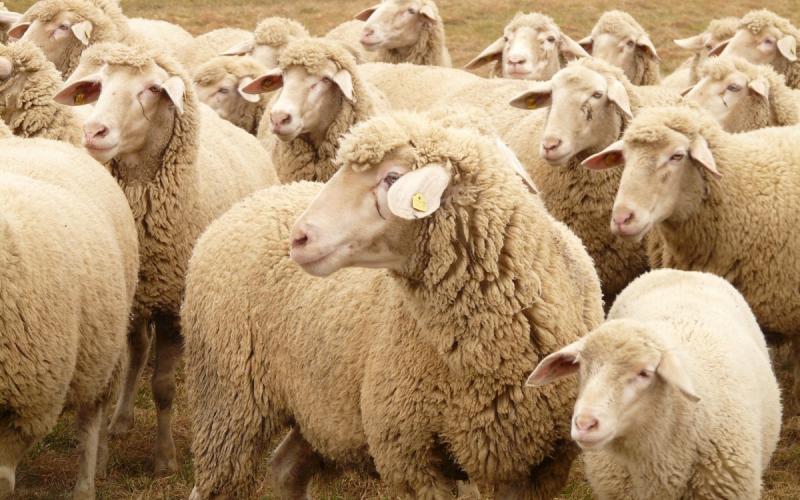
Using Corn Silage in Sheep Diet Formulations
Many Midwest producers have limited options for their primary forage source this year and, must utilize ear-less corn stalks as silage for their in livestock feeding systems. Despite the lack of ears on stalks in some areas the resultant corn stover silage is still expected to contain 80% of expected level of energy under normal growing conditions.
Does the GREET Carbon Model Address Soil Health Principles?
Learn how the recent Greenhouse Gases, Regulated Emissions, and Energy Use in Technologies (GREET) production model lines up with the Five Soil Health Principles.
Economic Impact of the Beef Industry on South Dakota
The beef industry in South Dakota makes a significant contribution to economic output and development in the state. As of January 1st, 2012 there were 1,610,000 beef cows in South Dakota. These cows produced 1,710,000 calves during the year and the industry produced an estimated $2,283,766,027 in gross income during 2012 (South Dakota Agriculture 2013).