Search
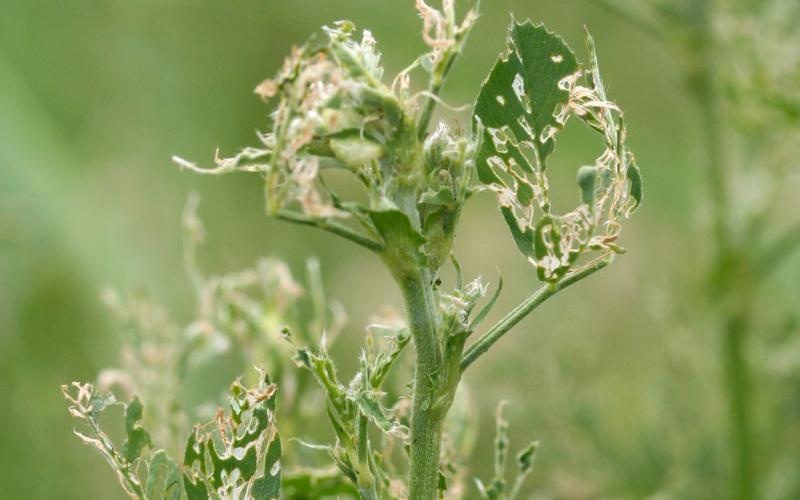
Keep Scouting for Alfalfa Weevils
This week we received a report and picture confirmation of early-instar alfalfa weevil larvae in an alfalfa field. Although most alfalfa fields were treated for alfalfa weevils before the first cutting, those fields still need to be scouted.
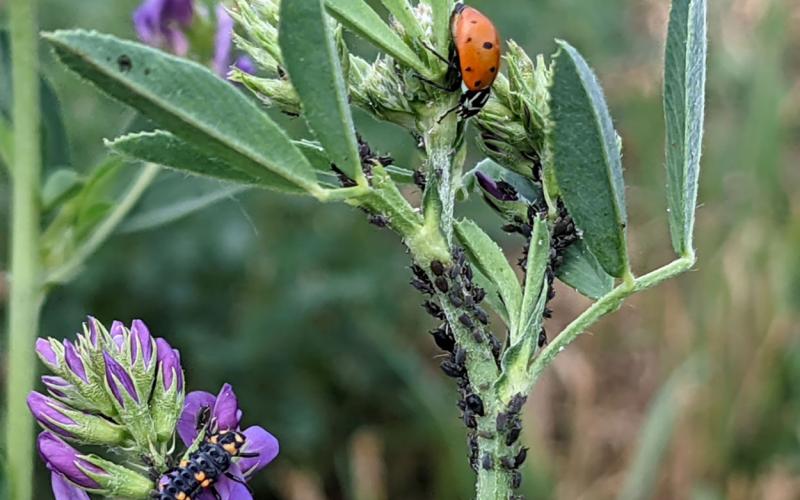
Cowpea Aphids Infesting Alfalfa
Typically, we worry about pea aphids in alfalfa. However, we noticed that cowpea aphids were present on alfalfa this week. If left unmanaged, cowpea aphids can stunt alfalfa, reduce yields and even kill the plants during severe infestations.
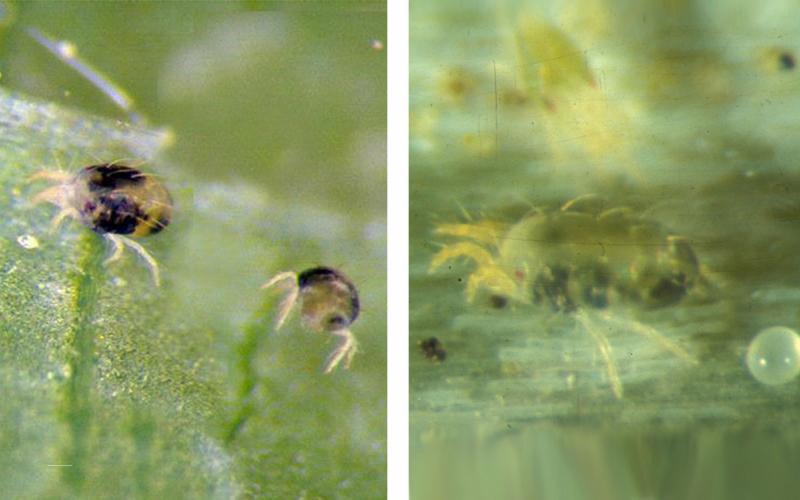
Spider Mites Reported in South Dakota Crops
With drought conditions continuing in South Dakota, it isn’t surprising that two-spotted spider mite infestations are being reported throughout the state. With hot temperatures in the forecast and limited chances for precipitation, we can expect spider mite populations to thrive in infested fields.
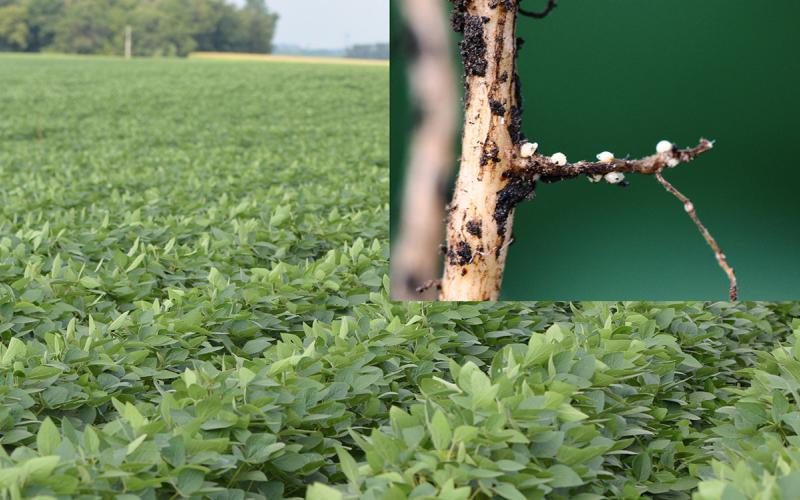
Drought Conditions May Increase Soybean Cyst Nematode Population in Soil
Moisture stress coupled with above-normal temperatures have been linked with increased soybean cyst nematode populations in the soil. In order to keep populations in the soil below the yield-reducing levels, there are a few management practices which can be used.
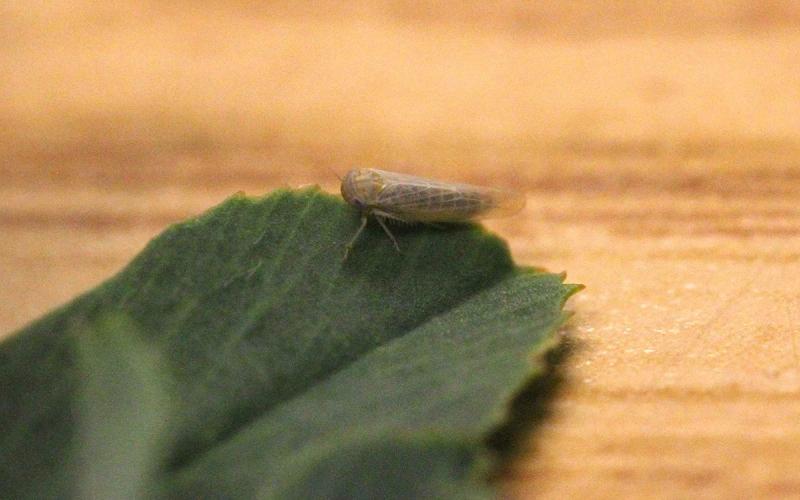
Start Scouting for Potato Leafhoppers in Alfalfa
Potato leafhoppers are a migratory pest that commonly impact alfalfa fields throughout South Dakota. They cannot tolerate our cold winter temperatures, so they travel up from the southern United States each spring.
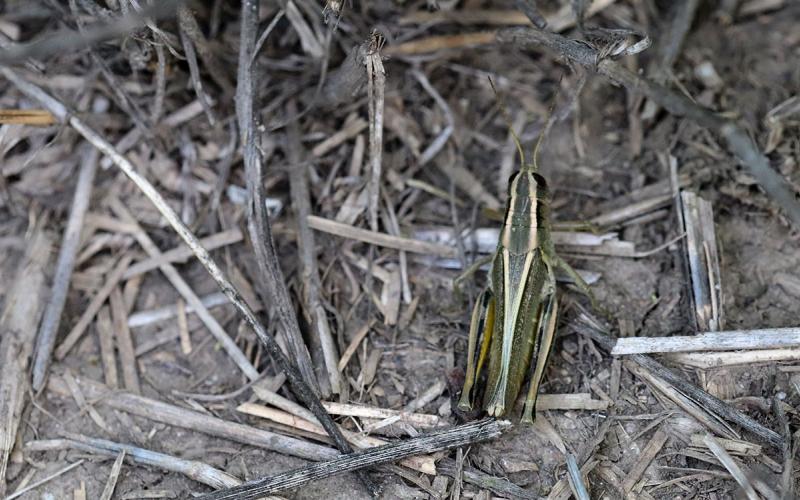
Grasshoppers Are Causing Concerns in South Dakota Crops
In 2020, grasshopper populations were an issue in parts of central and western South Dakota. The populations this year are moving into crops earlier and appear to be as bad as the ones observed last year.
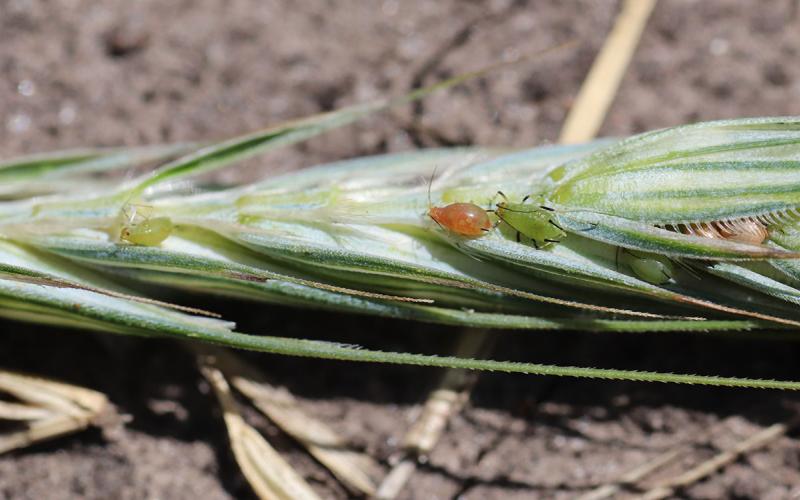
English Grain Aphids Observed in Wheat
Reports of aphid populations in wheat fields have been slowly increasing in the past week. Most of these populations are well below the economic threshold, but there is a potential for them to increase.

Smart to Lead SDSU Extension Agriculture and Natural Resources Program
July 06, 2021
South Dakota State University Extension has named Alexander “Sandy” Smart as the new Agriculture and Natural Resources Senior Program Leader.
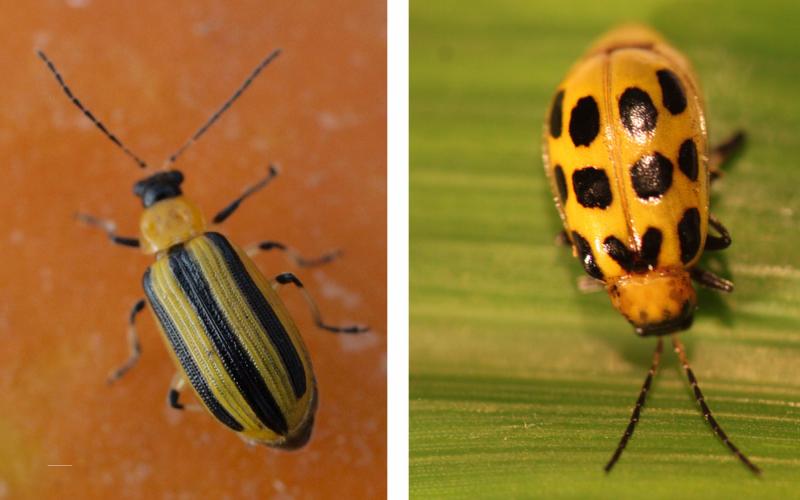
Start Scouting for Striped Cucumber Beetles
Striped cucumber beetles are showing up in gardens across South Dakota. If large populations are present in a garden, they can cause severe injury to squash, cucumbers, melons and other cucurbits if left unmanaged.
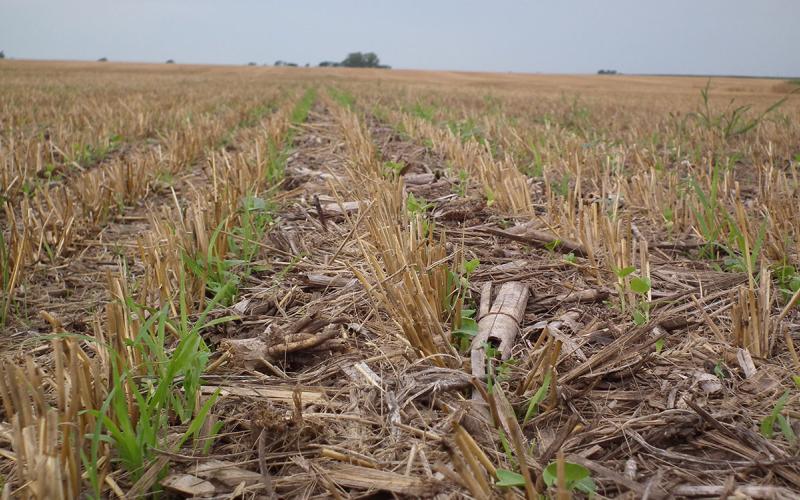
Do Cover Crops and Grazing Harm Soil Properties?
Fact sheet for a study that was conducted to compare short and long-term animal grazing on soil health and water properties at four locations in SD.