Search
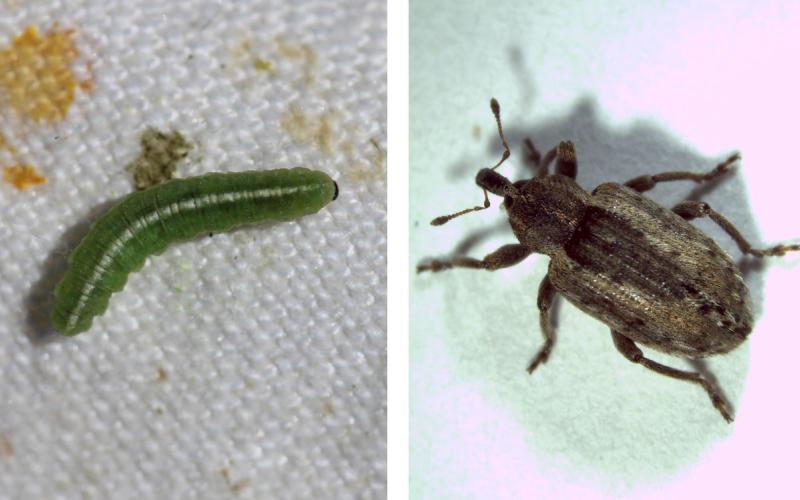
Alfalfa Weevils Are Active in South Dakota
Alfalfa weevil larvae are active across South Dakota. Although they had a somewhat slower start this year, we are now observing all instars of the larvae in alfalfa fields.

Common Stalk Borer Activity Estimate: May 24, 2024
Throughout South Dakota, common stalk borer caterpillars are still active in alternative weed and grass hosts.
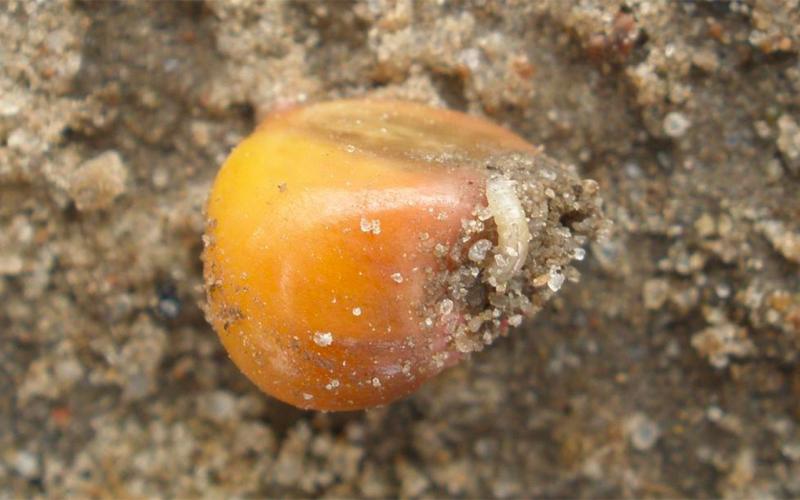
Seedcorn Maggot Degree Day Activity Estimates: May 24, 2024
Parts of South Dakota are currently at, slightly below, or over the 1,080 degree days for the peak second generation emergence of seedcorn maggots.
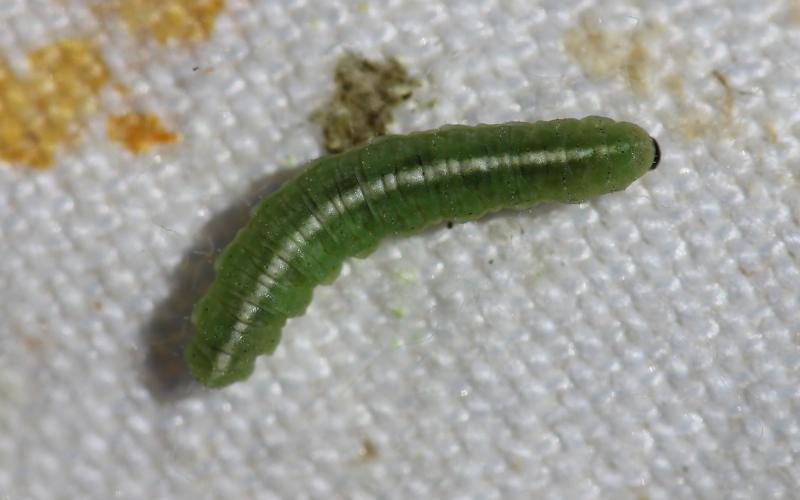
Alfalfa Weevil Activity Prediction Update: May 24, 2024
Degree day accumulations continue to estimate alfalfa weevil activity throughout South Dakota. Alfalfa weevil activity is likely greater in southern counties, but alfalfa should continue to be scouted statewide.
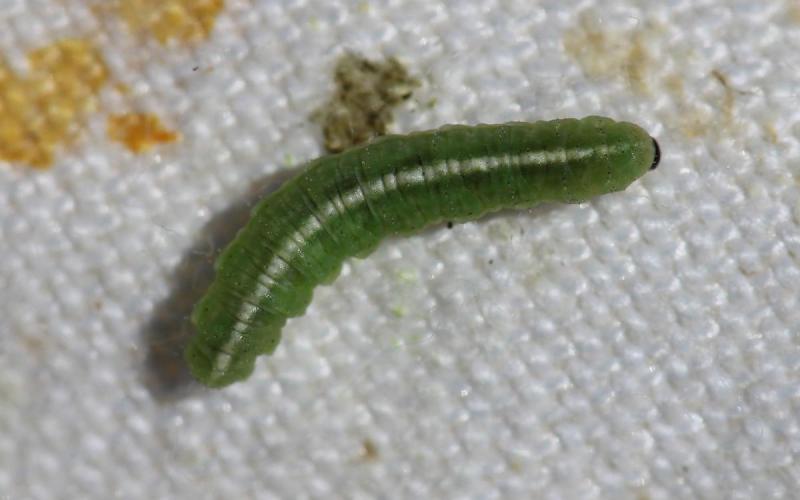
Alfalfa Weevil Activity Prediction Update: May 29, 2024
Most alfalfa weevil larvae that were observed this week were between the first and second instar, but it is likely that later instars are present in southern counties.
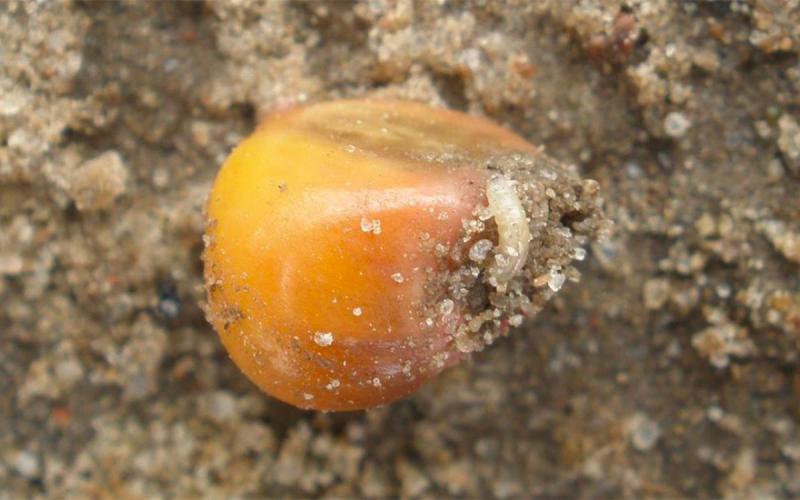
Seedcorn Maggot Degree Day Activity Estimates: May 29, 2024
Many of the northern counties are approaching enough degree days for a peak second-generation seedcorn maggot emergence to occur.
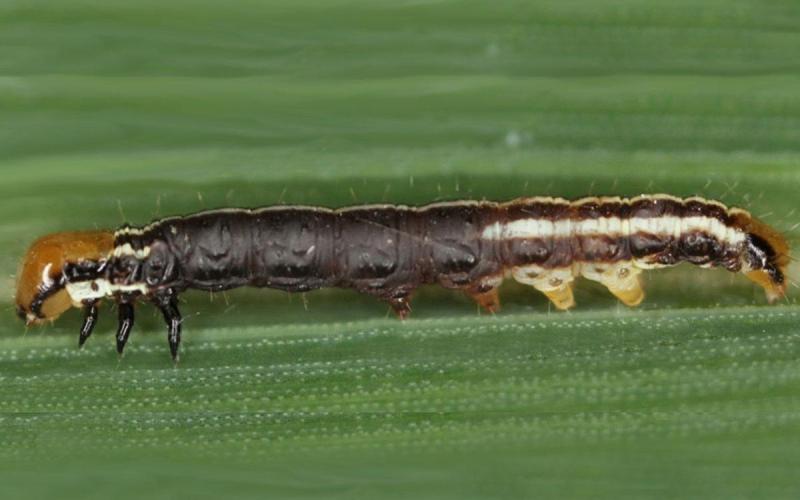
Common Stalk Borer Activity Estimate: May 29, 2024
Common stalk borer caterpillars are still present in grass and alternative weed hosts along field edges at this time.

Critical Period of Weed Control: A good, but not perfect guideline
The critical period of weed control is the period during a crop lifecycle when weeds need to be managed to avoid a significant yield loss.
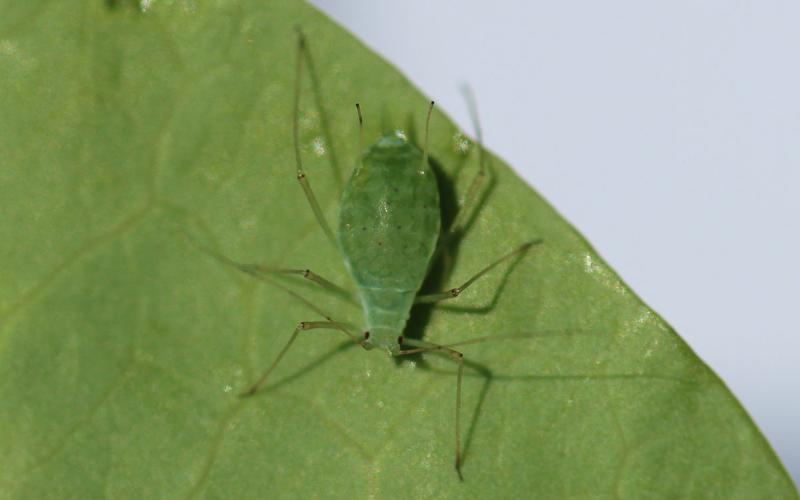
Monitor Alfalfa for Pea Aphid Activity
Pea aphids can cause yield reductions to alfalfa when large populations are present. Prolonged feeding by these populations can even cause the alfalfa fields to take on a “golden” color.
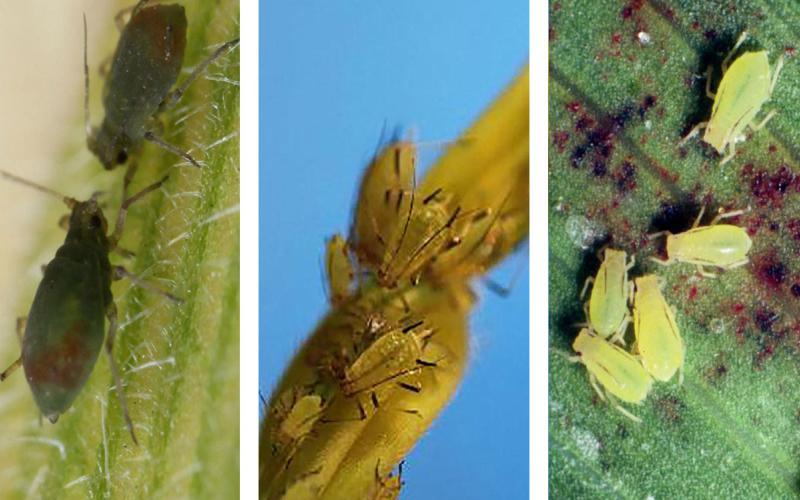
Aphid Populations Detected in Wheat
Aphids are present in South Dakota wheat fields, and that means it’s time to start scouting.