Search
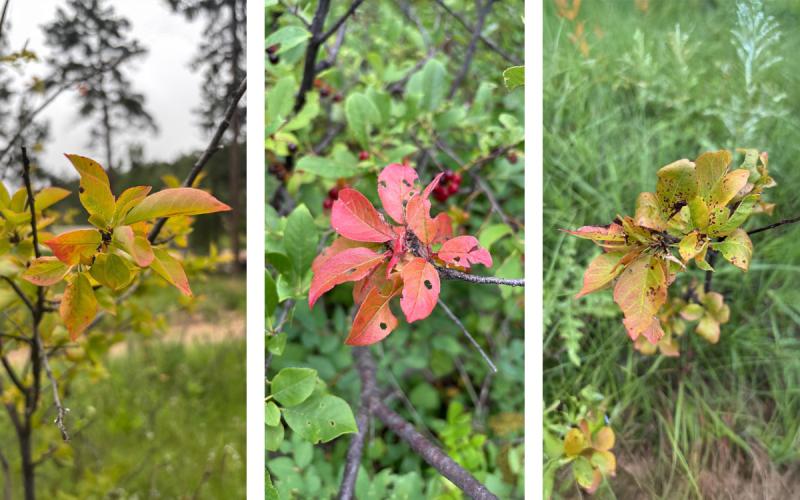
X-Disease in Chokecherries
X-disease is the name given to a set of diseases caused by a strain of the bacteria “Candidatus Phytoplasma pruni” that primarily affects stone fruits. Infected plants will typically display yellowing or reddening of their leaves by mid summer.
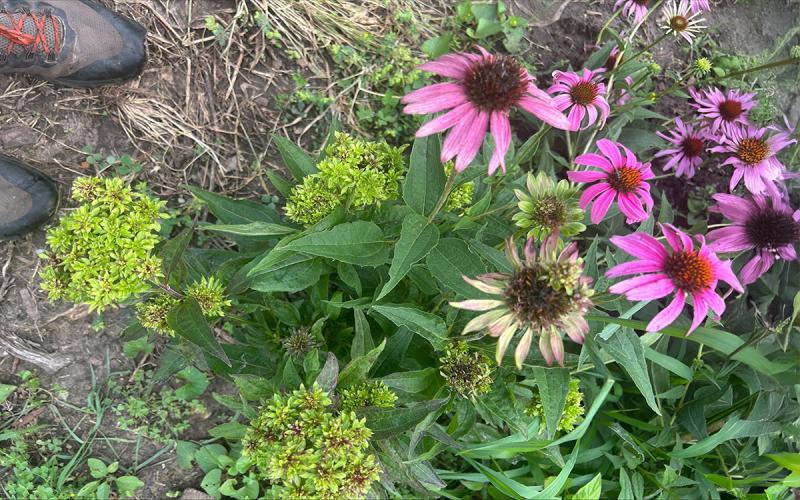
Aster Yellows Phytoplasma
Aster yellows is a phytoplasmal disease carried and introduced by aster leafhopper. It is known to infect over 80 different plant families, as the aster leafhopper has extremely broad feeding habits.
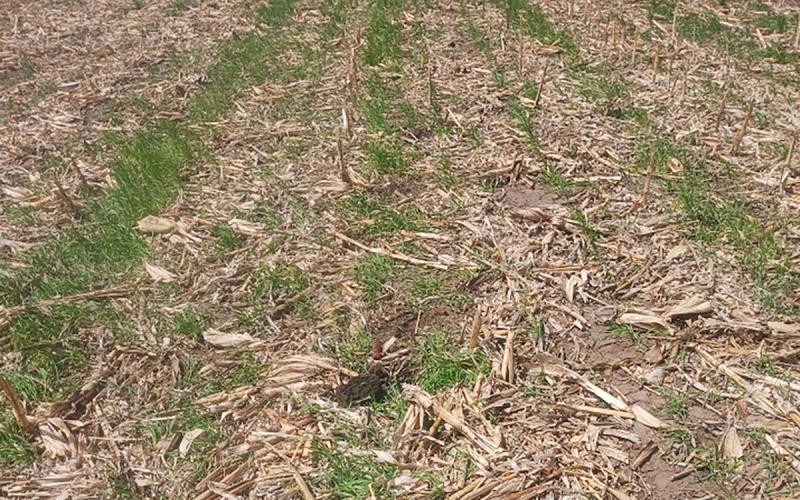
Effects of Different Cereal Rye and Winter Camelina Seeding Rates on Biomass Production and Soil Properties When Broadcast Seeded
Benefits to soil health generally increase as cover crop biomass production increases. Recent research sought to determine how the seeding rate of two cover crop species and mixtures affected biomass production and some soil health indicators.

Suicide Awareness and Why It Matters
Suicide is preventable, and everyone has a role to help save lives and create healthy and strong individuals, families, and communities in South Dakota.
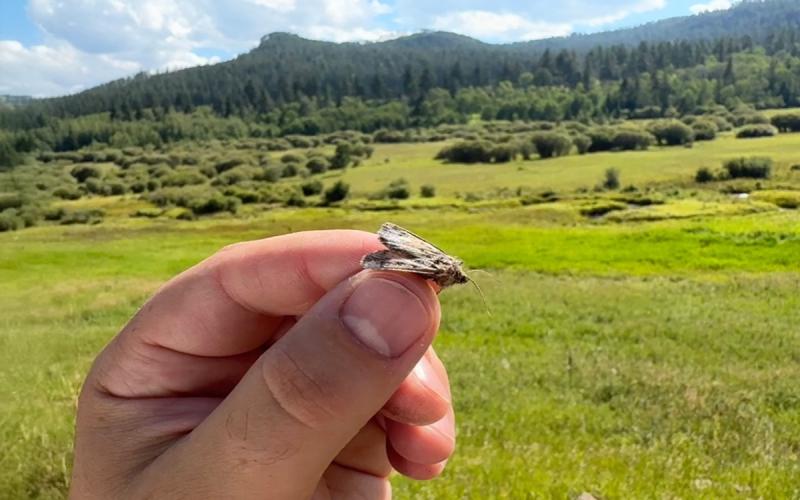
Army Cutworm Migration Swarms Detected in Western South Dakota
Mass populations of army cutworm moths are being reported to entomologists at South Dakota State University. Thus far, these migratory swarms have only been observed in far western South Dakota, particularly within the Black Hills.
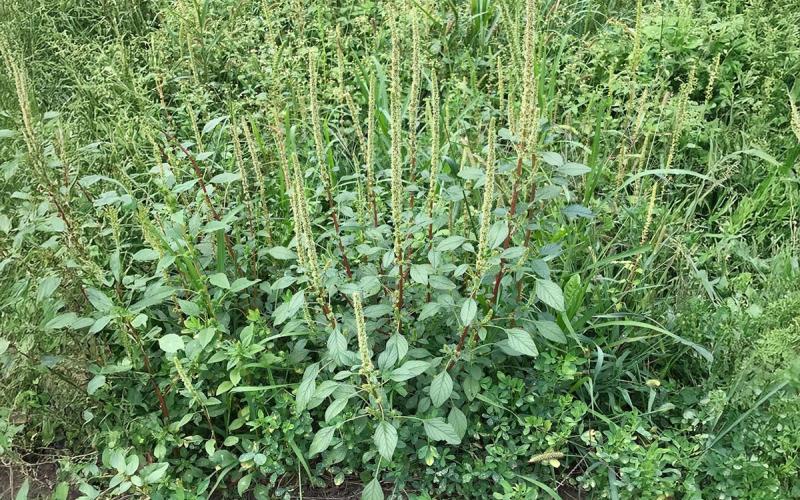
Palmer Amaranth Confirmed in Turner County: Is this weed in your fields?
Palmer amaranth has recently been confirmed in Turner County. Currently, the estimation of Palmer amaranth infestations has been confirmed in 18 counties across South Dakota
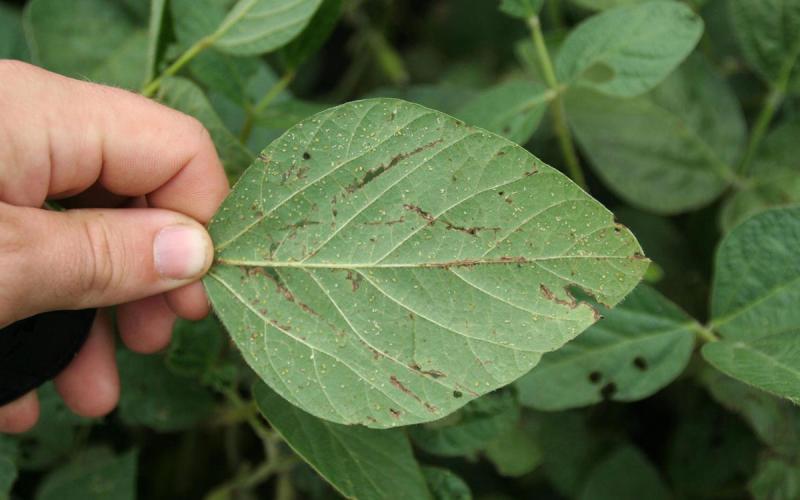
Should I Spray for Soybean Aphids at the End of August?
Soybean aphid populations are persisting in many soybean fields throughout eastern South Dakota. In many cases, these soybean aphid populations are either at the 250 aphids per plant threshold, or very close.

Weed Management via Harvesting Order
Despite The warm and wet growing season that promoted continuous flushes of weed germination, weeds are usually present at the time of harvest. Careful consideration should be taken to determine the order of fields to be harvested.
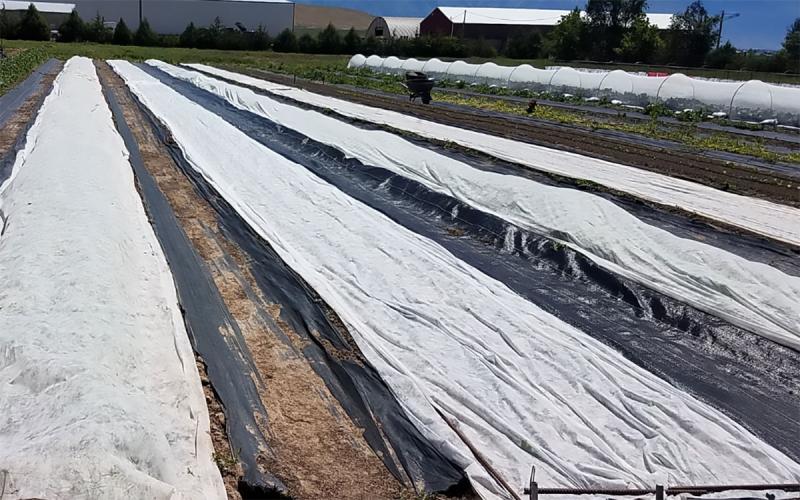
Season Extension for Fall Specialty Crops
Extending crop production into the fall allows growers to take advantage of cooler temperatures and enjoy fresh, cool-season vegetables later in the year.

4-H Policy and Procedure Overview
This overview provides the overarching guidance for South Dakota 4-H polices and procedures.