Search
Diagnosing Early Diseases in Winter Wheat
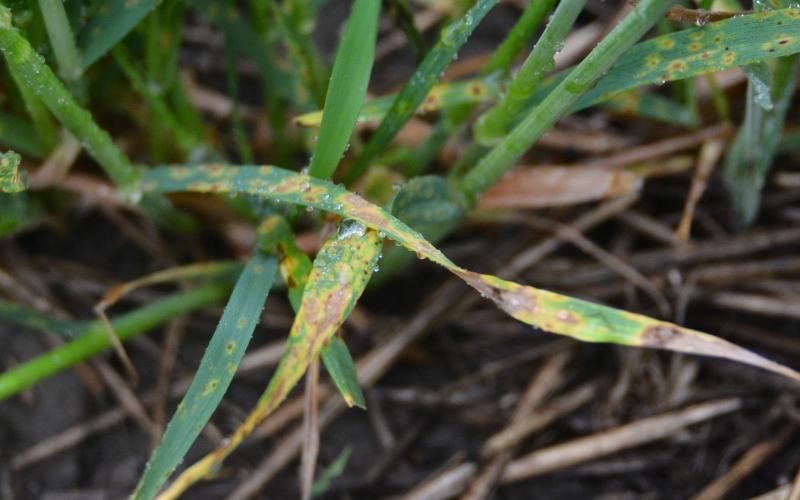
Winter wheat progress is relatively behind the five-year average given the long winter season and low spring temperatures. However, it is important to scout and diagnose early-season diseases in winter wheat to determine the need for an early season fungicide.
2019 Alfalfa Weevil Activity Prediction
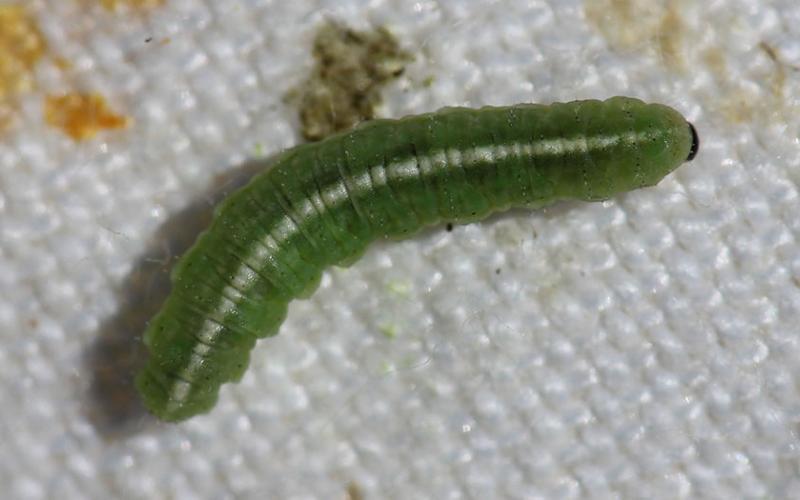
One of the major insect pests of alfalfa in South Dakota is the alfalfa weevil. In 2018, we received fewer reports of alfalfa weevils, which may have been a result of the cooler and wetter spring conditions. It’s possible that populations may also be lower in 2019 due to the similar spring conditions that we are currently experiencing.
Switching Corn Hybrid Maturities
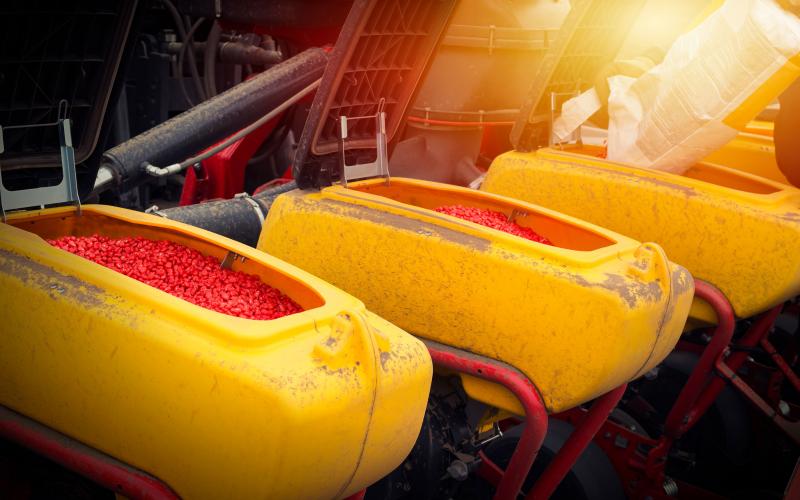
The decision to change maturities is ultimately up to each individual producer and is based on unique situations such as risk tolerance and harvest capabilities, such as drying capacity.
Multi-Peril Crop Insurance: Delayed and Prevent Plant Choices
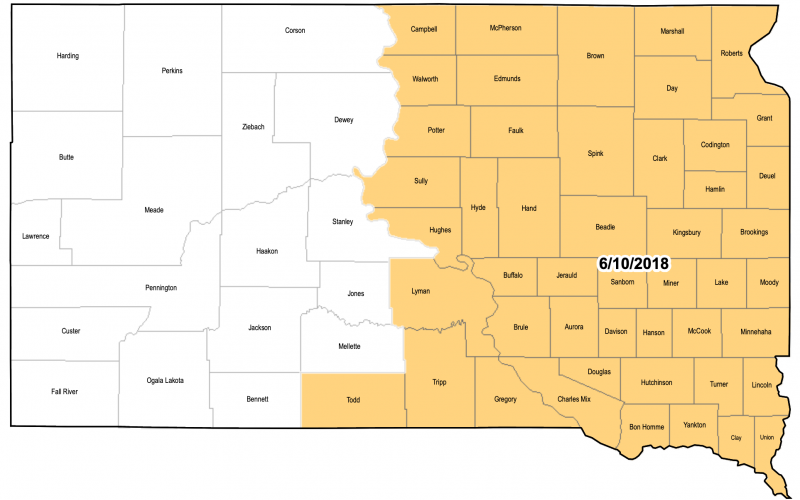
Crop insurance late plant dates are fast approaching for planting crops in South Dakota. The weather and soil conditions this spring will likely lead to some prevent plant situations for farm producers.
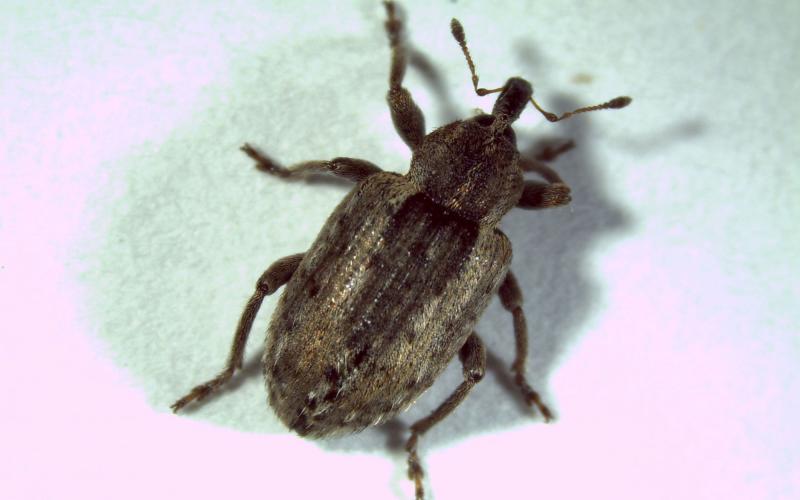
2019 Alfalfa Weevil Activity
It was another cool week in South Dakota with not a lot of degree day accumulation occurring. Alfalfa fields should still be monitored for alfalfa weevil activity even though the cool wet weather might have slowed this pest down.
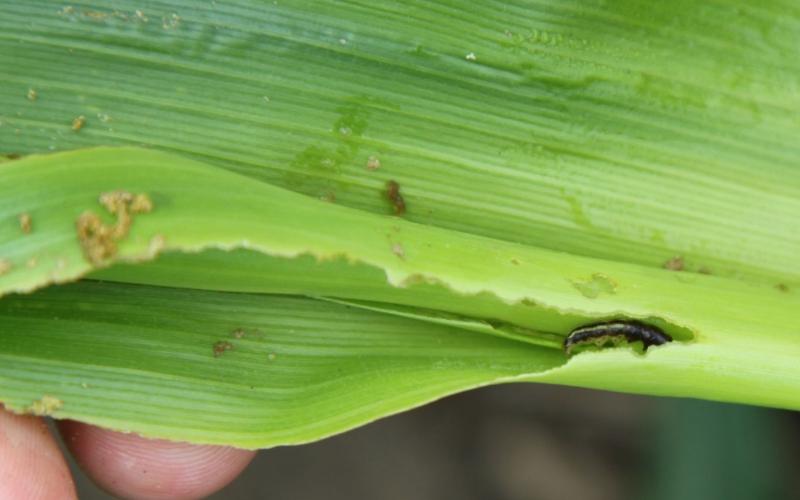
Common Stalk Borer Activity Update: May 23, 2019
Not too much is new regarding common stalk borer activity when compared to last week. Another cool, wet week has led to a limited accumulation of degree days. Based on our calculations, common stalk borer activity still doesn’t warrant any scouting. We will continue to monitor the degree days and provide updates.
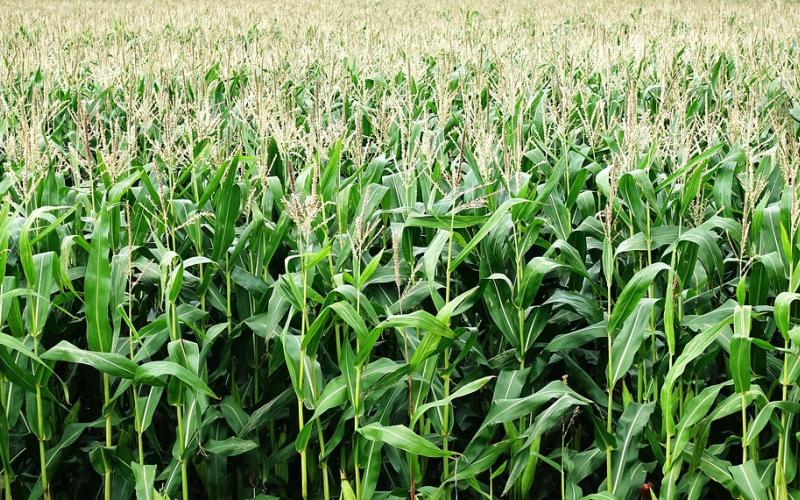
Corn Production Costs in the Northern Great Plains
Supply and demand regulates U.S. agricultural and non-agricultural markets all the time. Prices increase when scarcity of a certain item is anticipated. Similarly, prices drop if the market is saturated because of oversupply or there is a reduced demand for the product.
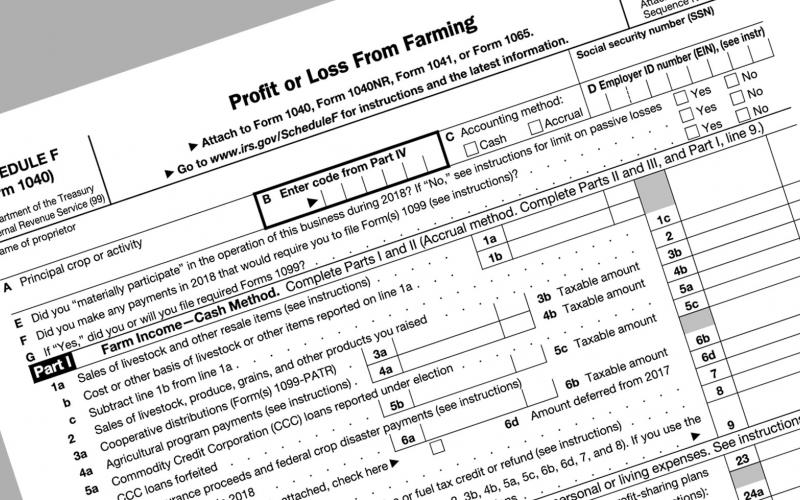
Bookwork, The Missing Management Component: Farm Income Determination
Many ag producers do not like bookwork. Many times this job gets pushed to the side, until a bill is due or taxes need to be filed. It is also fair to say it is a missing component to the management of most operations. A missing component that could lead to the collapse of the operation.
Common Stalk Borer Activity Update: May 30, 2019
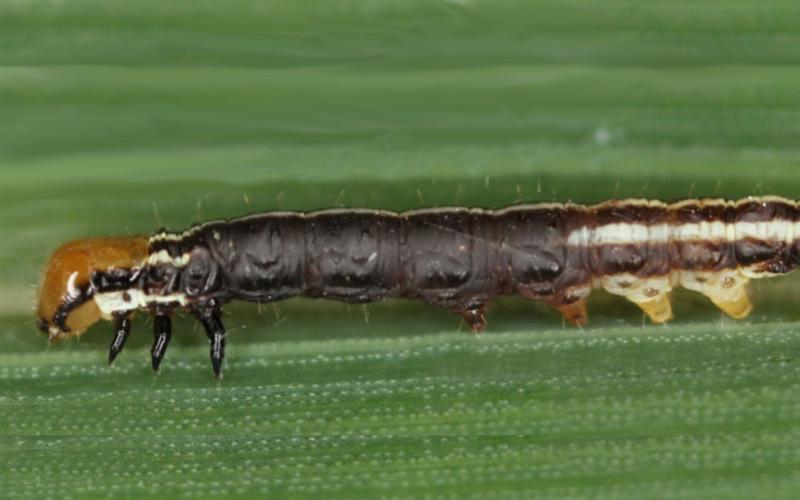
Another cool, wet week has led to a limited accumulation of degree days. Based on our calculations, common stalk borer activity still doesn’t warrant any scouting, but spraying field edges should be avoided around Hot Springs, Winner and Vermillion.
Alfalfa Weevil Activity Update: May 30, 2019
It was another cool week for most of South Dakota, with little degree day accumulation occurring. However, alfalfa fields should still be monitored for alfalfa weevil activity, although the cool, wet weather might have slowed the pest down.