Search

Getting Ready for Winter on the Range
During periods of summer and fall drought, winter grazing opportunities may be limited or not available at all. Ranch managers must ensure that enough residual plant height and vegetation cover of the soil surface is available through the winter to aid in recovery of the rangeland.
Mycoplasma Bovis in Feedlot Cattle: Why It’s Different and How It Causes Illness
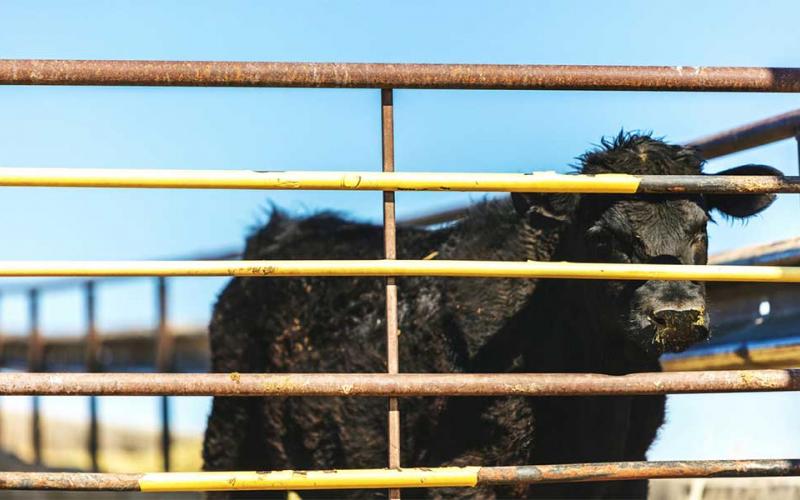
Mycoplasma bovis is widely distributed throughout feedlot cattle populations. The insidious nature of Mycoplasma infections, and their ability to become well-established by the time they’re observed, create challenges for treatment and prevention.
Mycoplasma Bovis in Feedlot Cattle: Treating and Controlling Infections
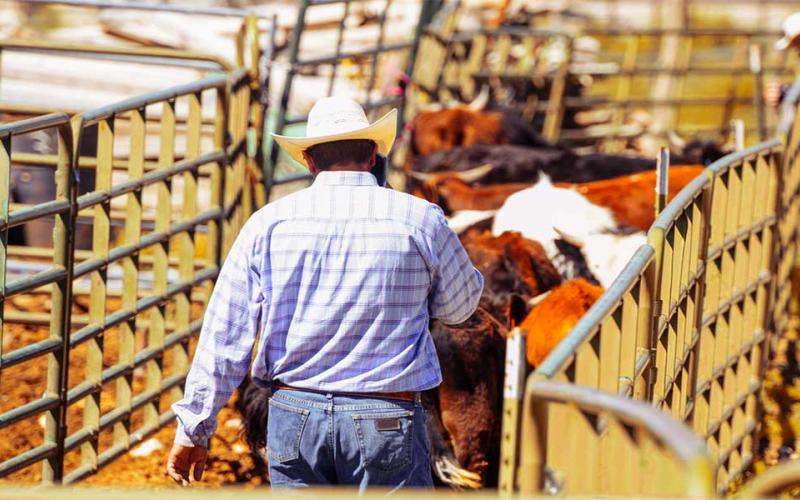
Mycoplasma bovis is a challenging component of respiratory disease in feedlot calves. Understanding the factors that help it become established is a good first step in formulating a plan with your veterinarian to help diminish its impact on health and productivity.

It’s Okay to Not Be Okay: Farm Stress Assistance in South Dakota
If you are experiencing farm stress or want to help others who are experiencing farm stress, organizations have expanded efforts across South Dakota. Learn about some available resources for seeking assistance.

Make Aronia Berries a Part of Your Healthy Diet
Aronia berries, or chokeberries, contain lots of antioxidants, which are important, because they help reduce or prevent cell damage. They are also a great source of fiber, vitamin C, manganese, zinc, potassium and more.
Detection of Standing Estrus in Cattle
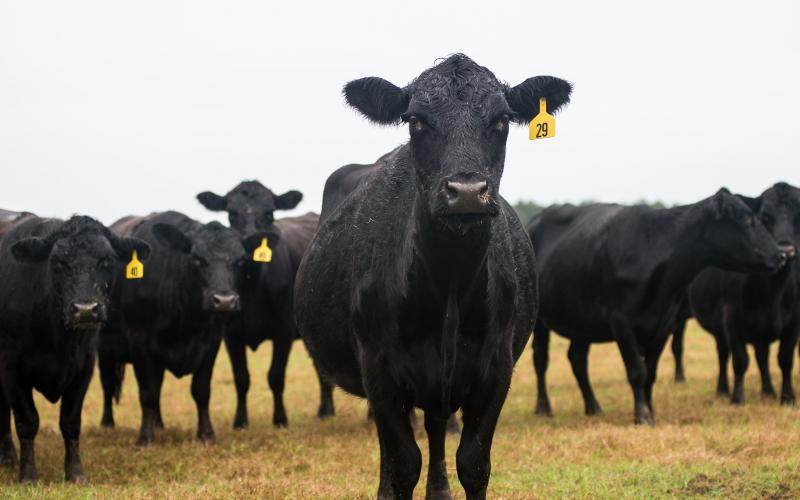
Fact sheet to help with the detection of standing estrus in cattle. Available in English and Spanish.

Helping Kids Deal With Change
As we are all going through these times of change and uncertainty, remember to talk to your child or children in your care and don’t just avoid the behaviors.
What’s Bugging Your Garden: Picnic Beetles
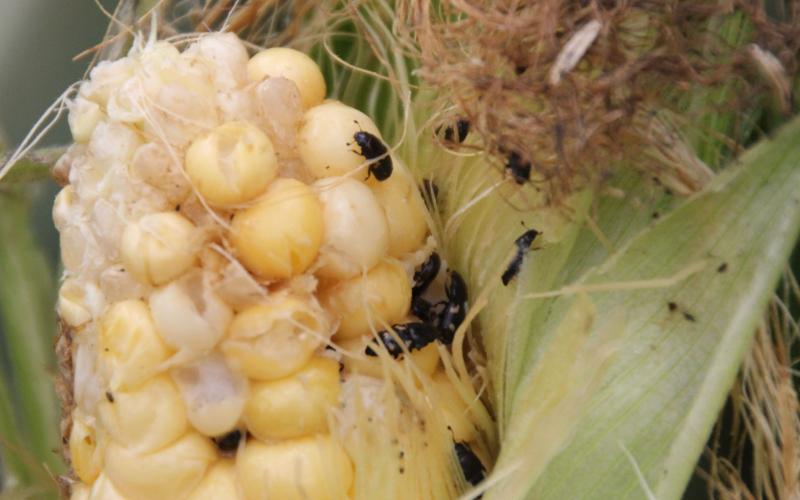
One of the most common garden insect questions I get asked is “what are those little black, spotted beetles that are in my sweet corn, tomatoes, raspberries and perhaps worst of all, in your beer! These little nuisances are called picnic or sap beetles. They are attracted to ripe or damaged fruit and vegetables.
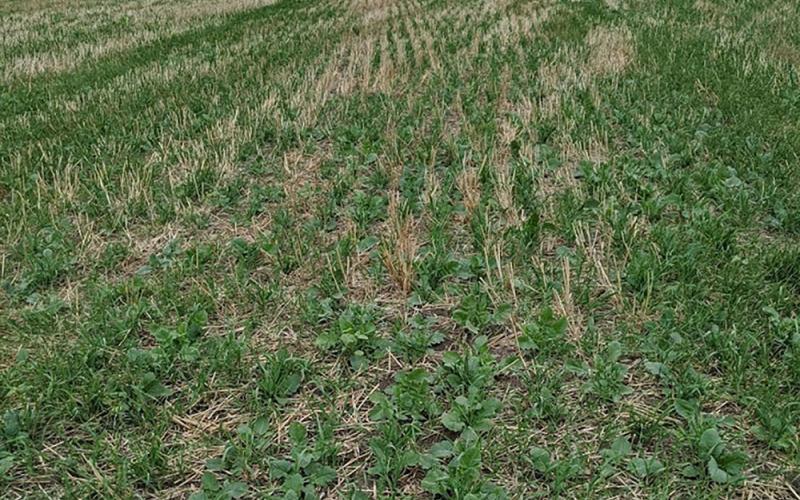
Cover Crop Considerations When Dealing With Soybean Cyst Nematode
With the soybeans being harvested a little earlier than usual this year, some producers are finding themselves making management decisions that include cover crops. For soybean producers dealing with soybean cyst nematode in their fields, selection of cover crops is important since some of these can be hosts for soybean cyst nematode.
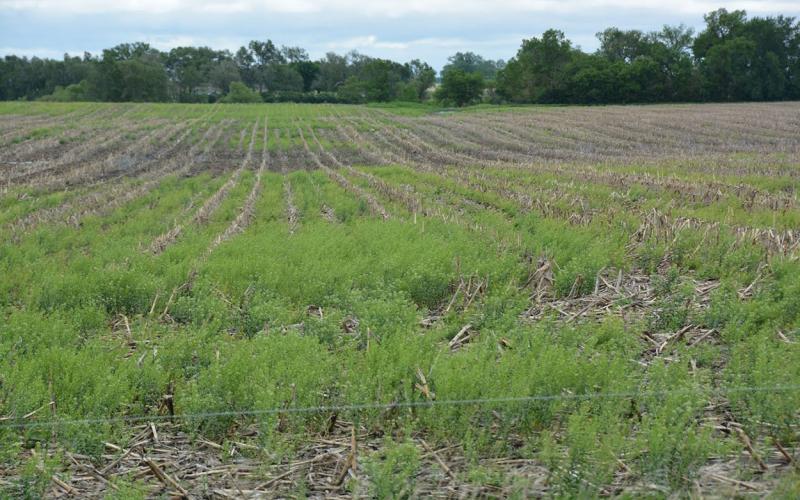
Soybean Cyst Nematode Management Plans Should Include Proactive Weed Management
While soybean cyst nematode can be managed through use of resistant varieties and crop rotation, presence of alternative weed hosts can negate the benefits of these practices by providing a host for soybean cyst nematode to continue to accumulate in the soil.