Search

Transplant Timing and Protected Cultivation Strategies Enhance Delphinium Cut Flower Production
Delphinium (Delphinium spp.) is a cool-season perennial cut flower that holds strong market potential, but production on small farms for regional markets remains limited by yield and short harvest durations.
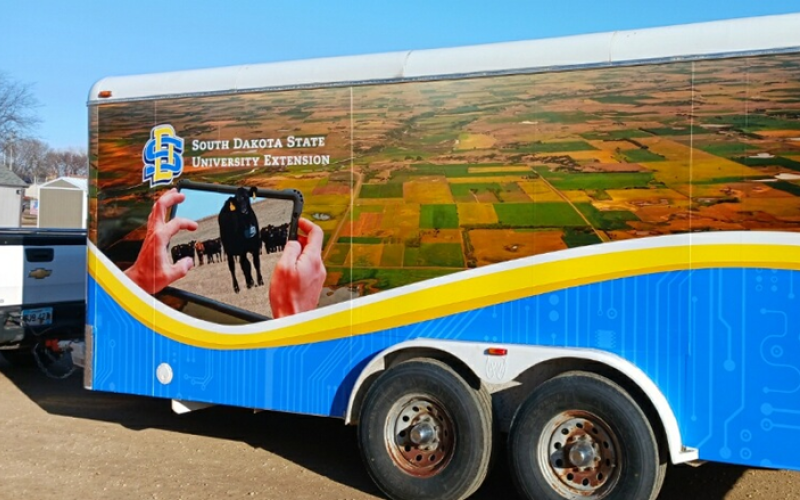
SDSU Extension helps producers navigate precision ag
May 28, 2025
Precision agriculture practices are growing as technology continues to evolve, and SDSU Extension is leading the state’s efforts to monitor and understand the role it plays.
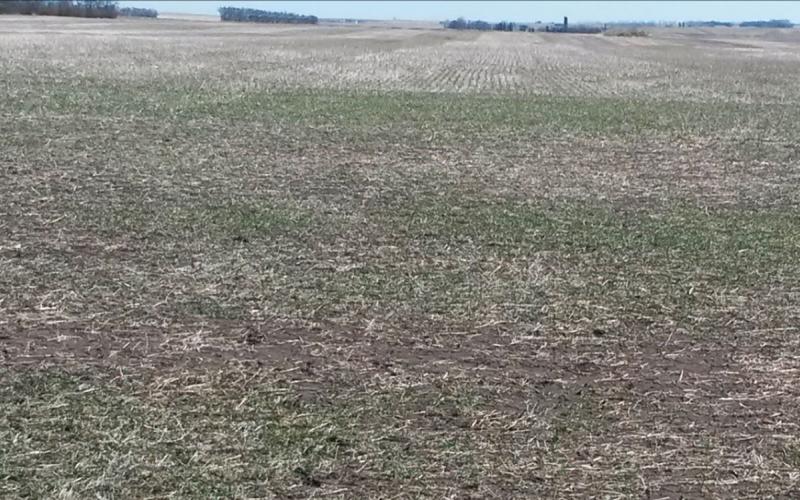
Winter Wheat Planting Considerations
As we move into fall, winter wheat growers often ask, "What is the best time to plant winter wheat?" If planted too early, winter wheat can develop disease and insect problems. If planted too late, it can get winter killed.
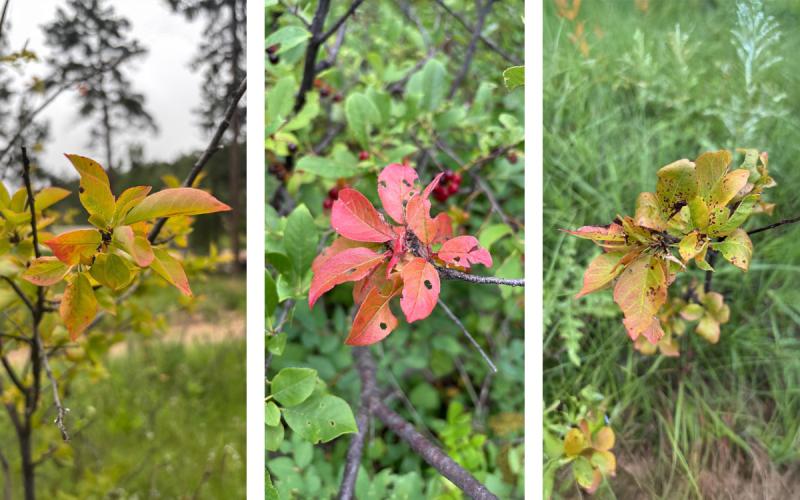
X-Disease in Chokecherries
X-disease is the name given to a set of diseases caused by a strain of the bacteria “Candidatus Phytoplasma pruni” that primarily affects stone fruits. Infected plants will typically display yellowing or reddening of their leaves by mid summer.
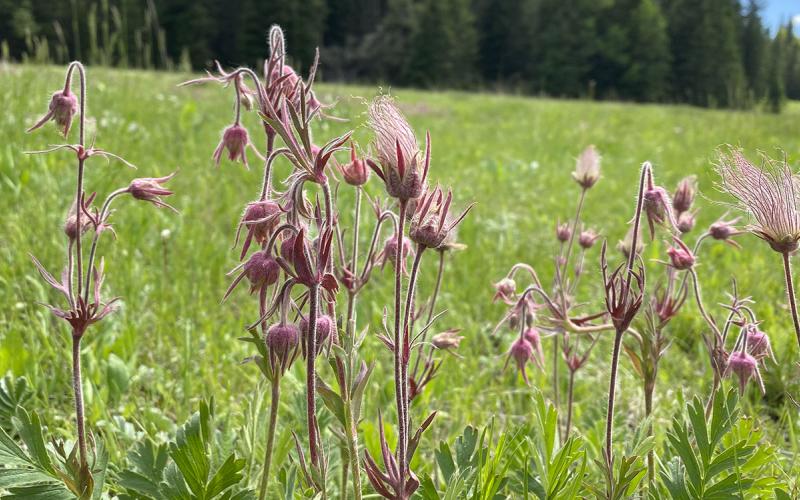
Native Plants to Know: Prairie Smoke (Geum triflorum)
Geum triflorum or Prairie Smoke (Rosaceae) is a flowering, herbaceous (non-woody stem) perennial, native to North American prairies known for its distinctive nodding and wispy flowers that resemble plumes of smoke
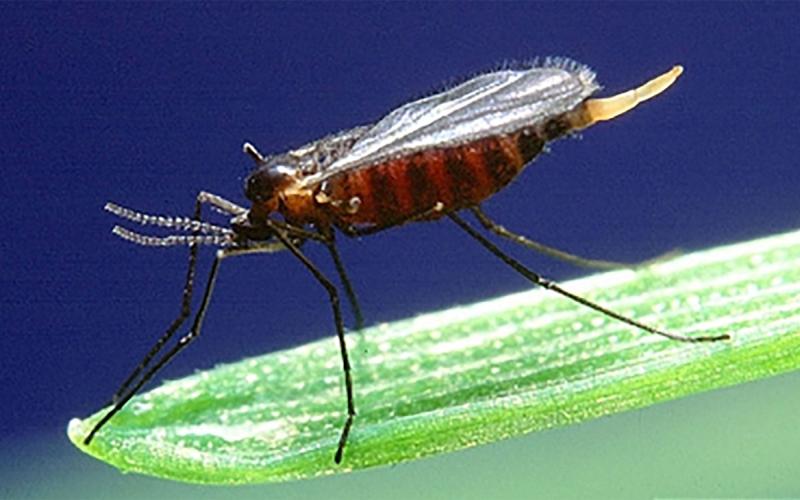
Hessian Fly: Preventing Outbreaks in Wheat
Hessian flies (Mayetiola destructor) are tiny, gnat-like flies. Their larvae are considered serious pests of wheat and occasional pests of barley and rye.
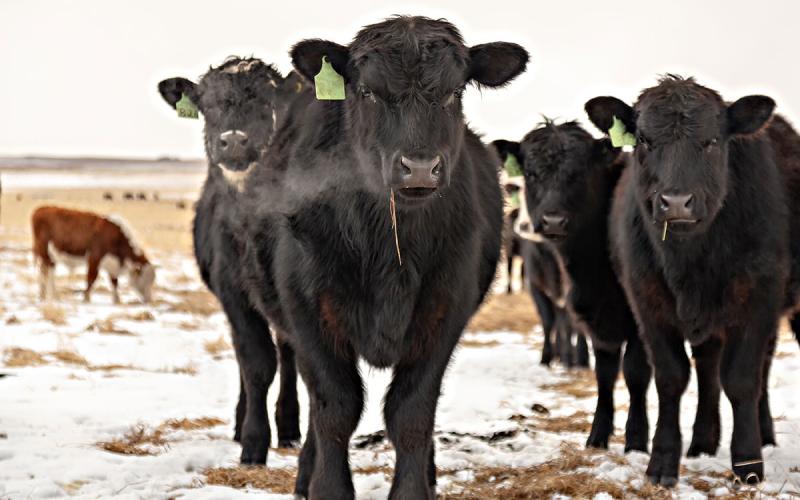
Keep Watch of Young Cows During Calving
Frequent observation of first-calf heifers and good recordkeeping around calving will give producers insight into which heifers are going to breed back and others that might need some extra care.
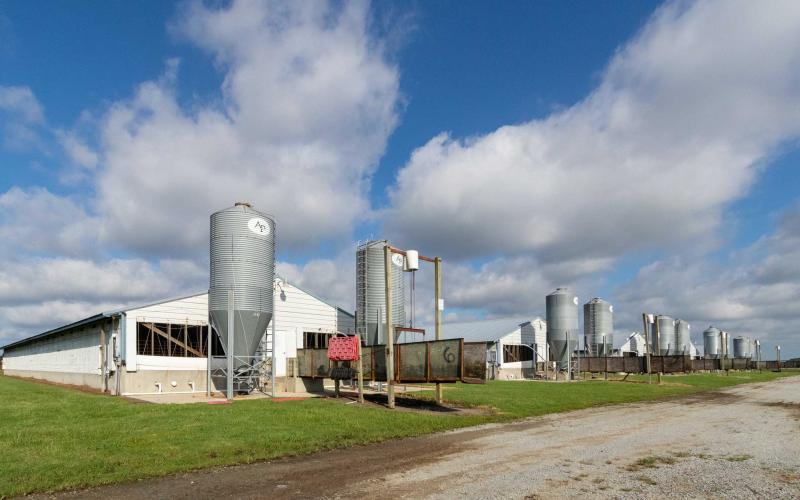
Preparing for a PQA Plus Site Assessment
The PQA Plus site assessment is an on-farm evaluation of a production site by a qualified PQA Plus Advisor. A review of standard operating procedures and office records, including caretaker training, animal observations, and the facilities will occur during the site assessment.
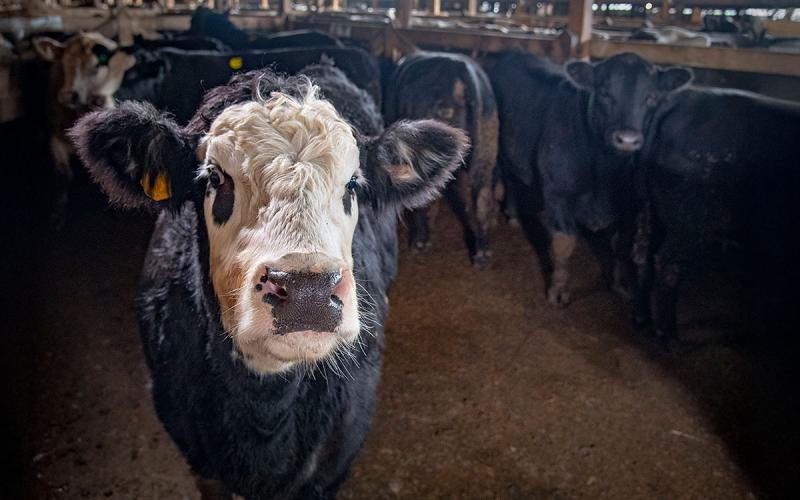
Purchasing Bred Females
Weaning time is here and the decision to retain or sell heifers is front and center. Regardless of your decision, there is opportunity to purchase bred females and increase the calves available to market next season in a strong market.
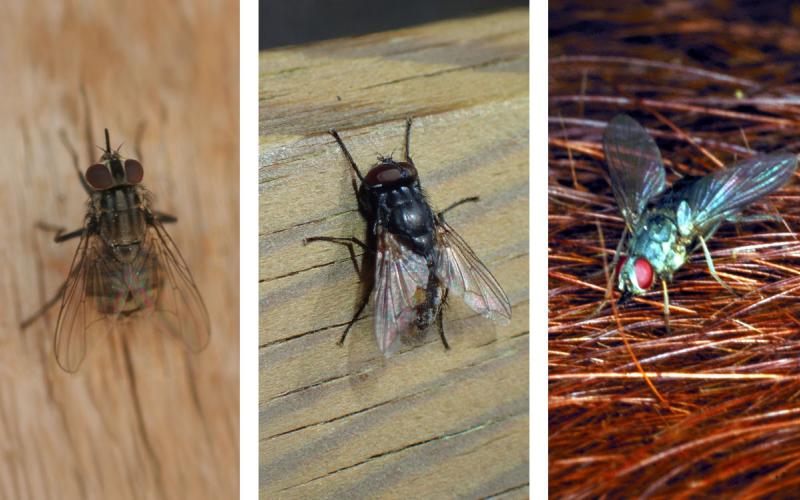
Fly Management for Cattle
There are several species of flies that can reduce the production value of livestock, particularly during hot, dry weather. To manage these pests, it’s important to be able to accurately identify them and understand their life cycles.