Search
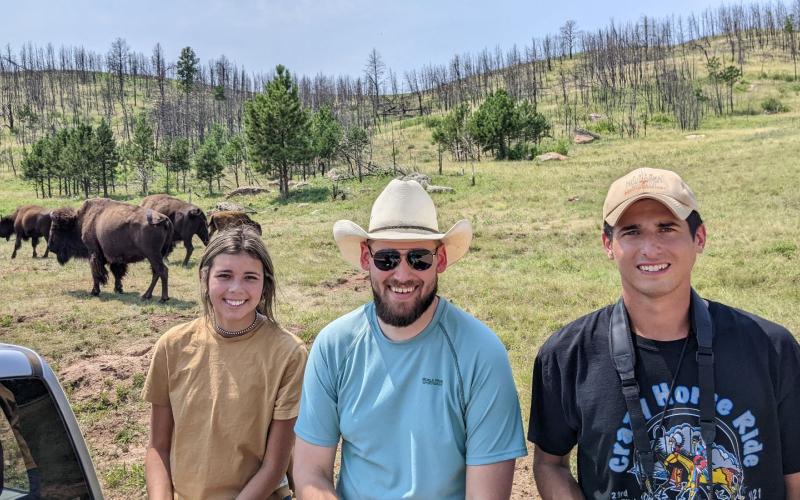
Bringing happy, healthy bison back to the Great Plains
January 17, 2025
There are approximately 400,000 bison across North America, down from 30 to 60 million prior to the 1860s. South Dakota has the largest bison population in the U.S. with nearly 40,000, and Martin hopes to see it keep rising.
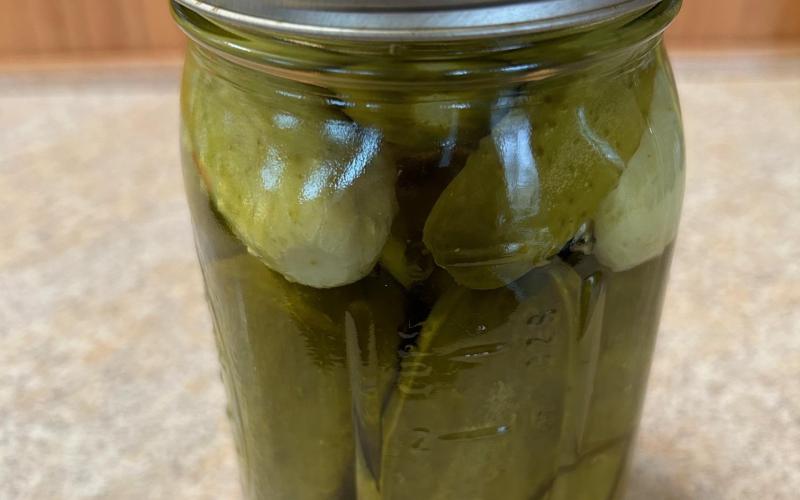
SDSU Extension adds to food safety testing services
January 17, 2025
SDSU Extension has added a new food safety testing service that allows canning enthusiasts to make sure their favorite recipes are safe.
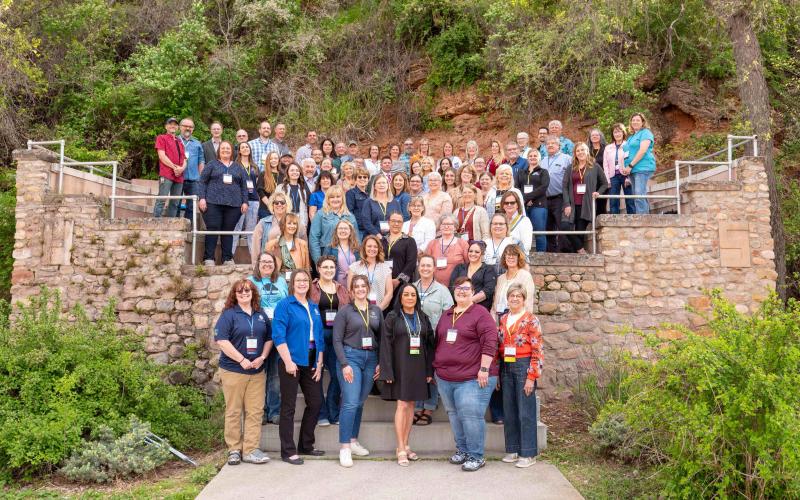
Energize conference inspires small SD communities
January 17, 2025
Hosted in a different South Dakota town of 5,000 or fewer people each year, Energize is an opportunity for community and business leaders to gather, gain new perspectives and share ideas about revitalizing rural communities.
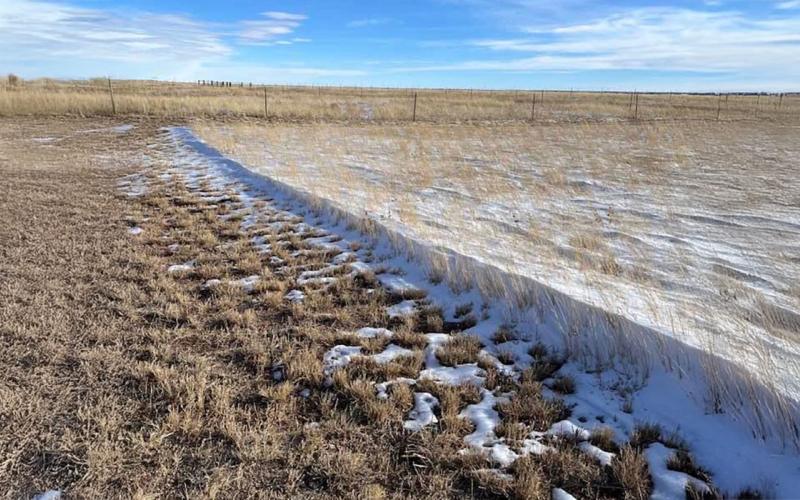
Winter Pasture Report: What’s your plan for spring?
Widespread drought conditions persist across the upper Great Plains into the beginning of 2025. During drought conditions, it is extremely important for producers to regularly assess precipitation and forage resources so they can manage livestock accordingly.

STEM Learning: Tips to Let Kids Tinker and Build
Tinkering, or the playful, open-ended exploration of materials without a specific end goal, is an important part of STEM learning. It involves problem solving, creativity, hands-on learning, and more.

Why and How to Freeze Your Credit
A credit or security freeze prevents creditors from accessing your credit file and prevents others from opening an account in your name. Consumers can freeze and unfreeze their credit records for free by working with the three nationwide reporting companies.
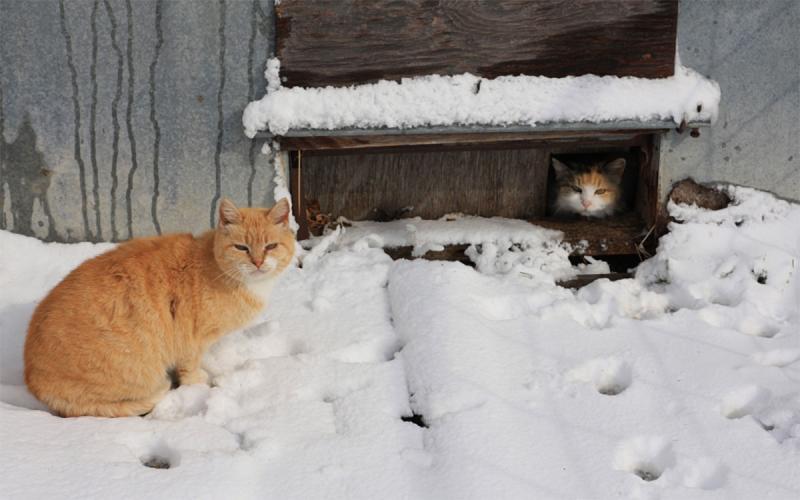
Cat Death Losses Due to Highly Pathogenic Avian Influenza in South Dakota
Veterinarians and laboratory diagnosticians are fielding reports of death losses in cat populations linked to avian influenza infections.
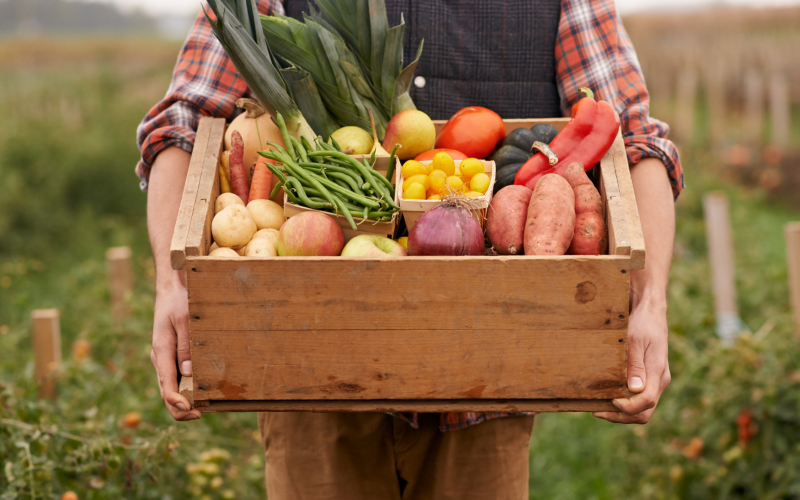
South Dakota Virtual Vegetable Short Course
The goal of the vegetable short course is to empower South Dakota vegetable producers to improve and expand their operations.

No One is Never a Leader
Leadership isn’t a one-size-fits-all concept. Whether you're managing a project, organizing a community event, leading a team at work, or planning something with your family, there are many ways to approach leadership.

Integrating Living Mulch on Vegetable Farms in South Dakota: 2024 Results
Research report determining the impact of two established clover species on weed suppression, crop growth, and yield of severable brassica species.