Search

Fall Cattle Markets with Matt Dierson
In this episode join Kiernan Brandt and Olivia Amundson, former SDSU Extension Cow/Calf Field Specialists, as they talk with Matt Dierson, SDSU Extension Risk/Business Management Specialist about Fall cattle markets and current market values.

SDSU Extension to Host Third Community-Focused Book Read
November 01, 2021
“The Growing Season: How I Built a New Life—and Saved an American Farm,” by Sarah Frey, will be the focus of the November/December book read.
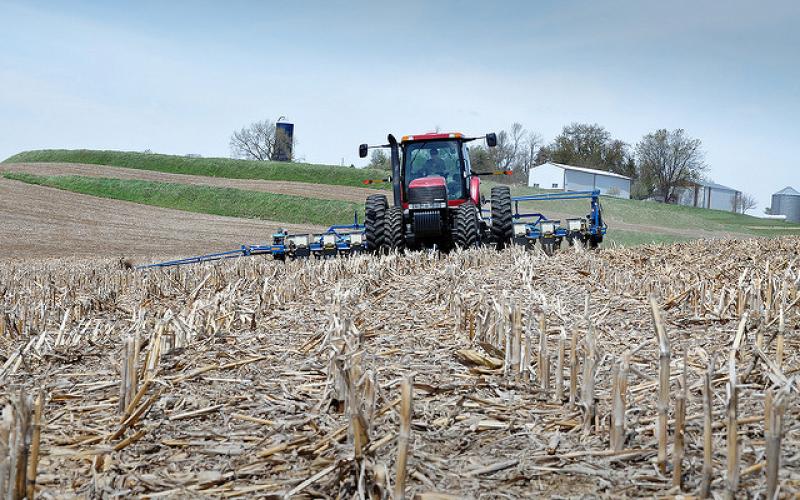
Project to Study Soil Health Economics in South Dakota
Soil degradation has become one of the most pressing global issues, because of its adverse effects on world food security, environment and quality of life.
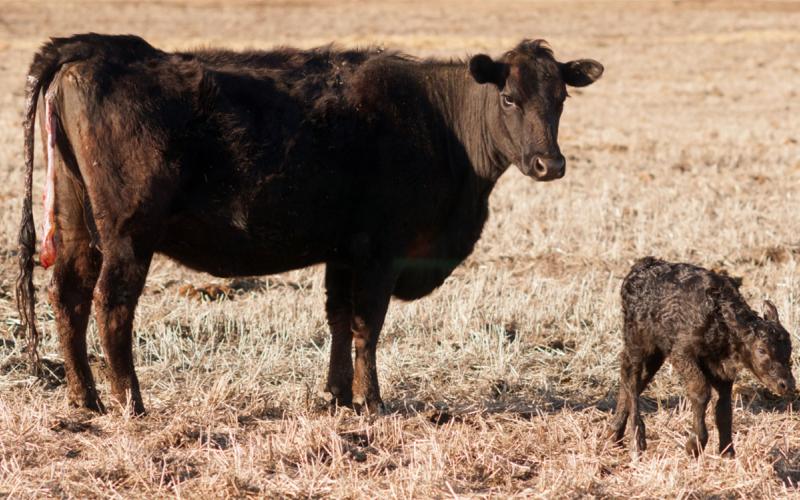
Impact of Reproductive Technologies on Herd Success Set for Nov. 23
November 03, 2021
South Dakota State University Extension will host a reproductive technology program for beef cow/calf producers on Nov. 23 at 10 a.m. CDT at the Watertown Regional Extension Center.

Your Town Matters! Shop Where Everybody Knows Your Name
Shopping local allows you to make a difference in your hometown. Locally owned businesses reinvest a large share of their revenue back into the local economy, enriching the whole community.

Tips for Purchasing and Preparing Turkey, Ham and Prime Rib
From turkey to prime rib, let’s look at some things to consider before you sink your teeth into your next holiday meal.

Factors Affecting Teat Skin Condition in Winter
Even though cows are housed in many parts of the country, cold weather may play an important factor in udder health and milk quality.
Factores que Afectan la Condición de la Piel del Pezón en el Invierno
Poco a poco y casi sin darnos cuenta, nos vamos adentrando en la estación más fría del año. Prepararnos para la llegada del invierno es importante para asegurar el bienestar animal.
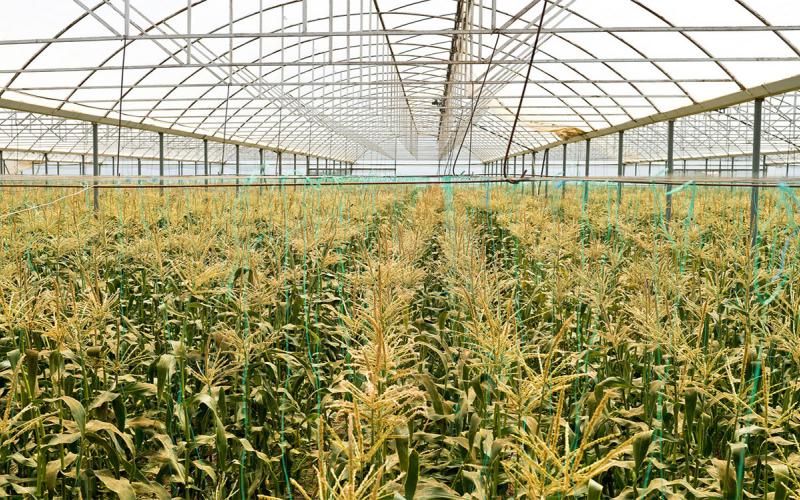
Consumer Demand for Genome-Edited Crops: Implications for Farmers’ Adoption Decisions
Genome-editing is a breakthrough technology for crop improvement that makes site-specific modifications in the genomes of cells and organisms.

All Straight Dicamba Products Now Restricted Use in South Dakota
Starting April 30, 2018 all dicamba products that are not a mixture but instead straight dicamba are restricted use in South Dakota. This will mean all applicators will need to keep spray records of use and place of application.