Search
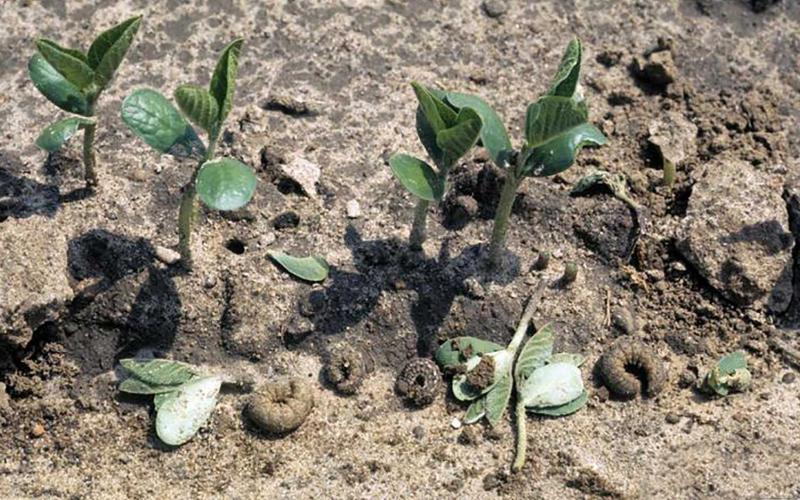
Scout Soybean for Black Cutworm Activity
Typically, we are concerned with black cutworm activity in corn fields. However, 2020 has been anything but a typical year and we are instead concerned with black cutworm activity in soybean fields.
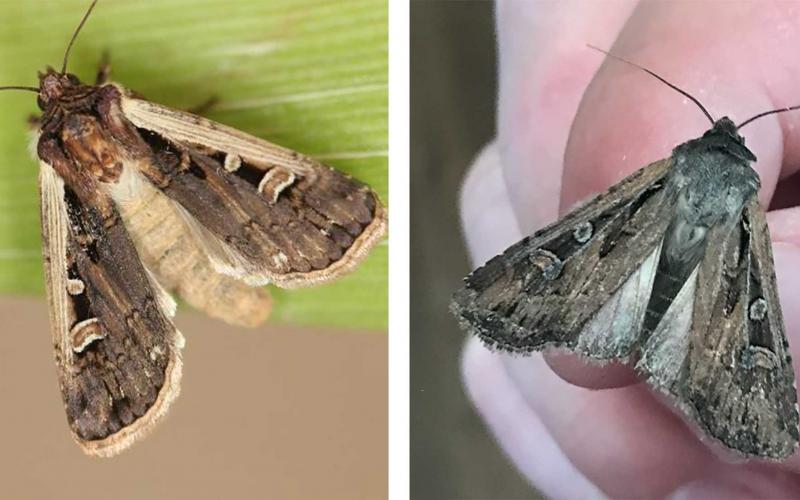
Army Cutworm Moths Among the Recently Reported Western Bean Cutworm Moths
Last week, we published an article about the presence of western bean cutworm moths being very abundant throughout Central and Western South Dakota. However, when talking with an entomologist from a neighboring state, they suggested the moths could also be army cutworm moths.
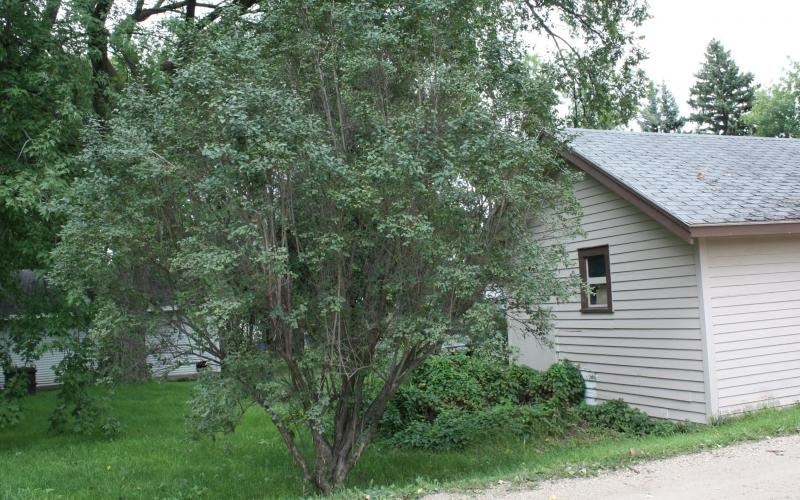
Woody Weeds: Tatarian Honeysuckle
Tatarian honeysuckle (Lonicera tatarica) was brought to North America from Asia in the mid-18th century for ornamental uses. In South Dakota it was also used as a windbreak species until the 1980s.
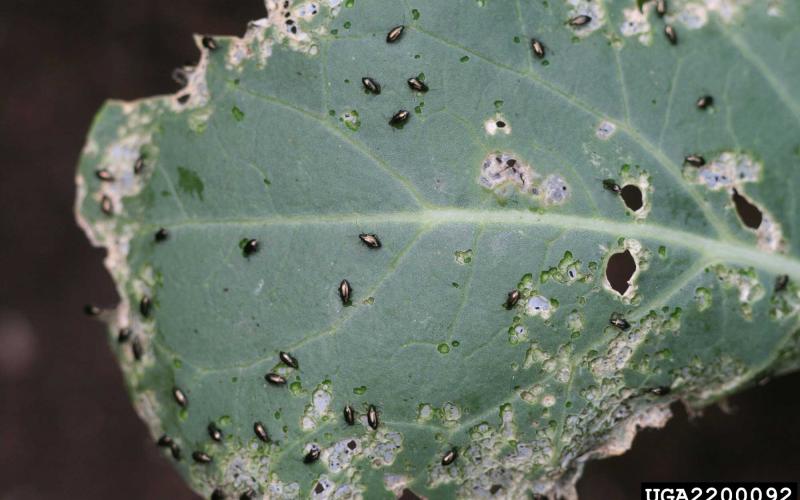
Flea Beetles in the Garden
Flea beetles have been out in full force so far this year. This group of herbivorous beetles can be a pest of many different garden plants, including tomatoes, peppers, beans, squash, lettuce and others.
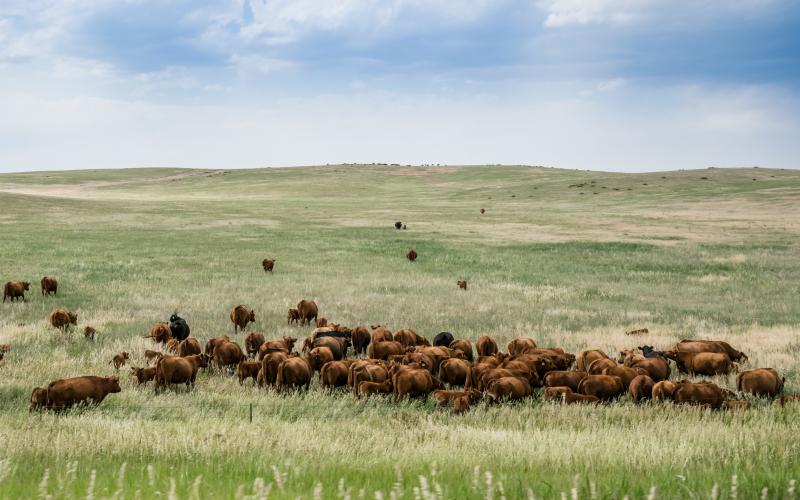
Structuring Grazing Leases
Fact sheet including ranch resource goals to improve landowner - lessee relationships.
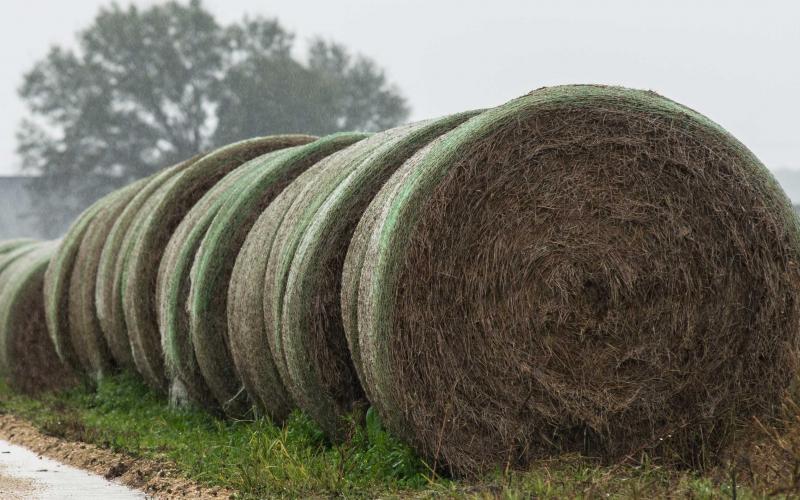
Round Bale Storage Conservation
Fact sheet discussing conservation of round bale storage.
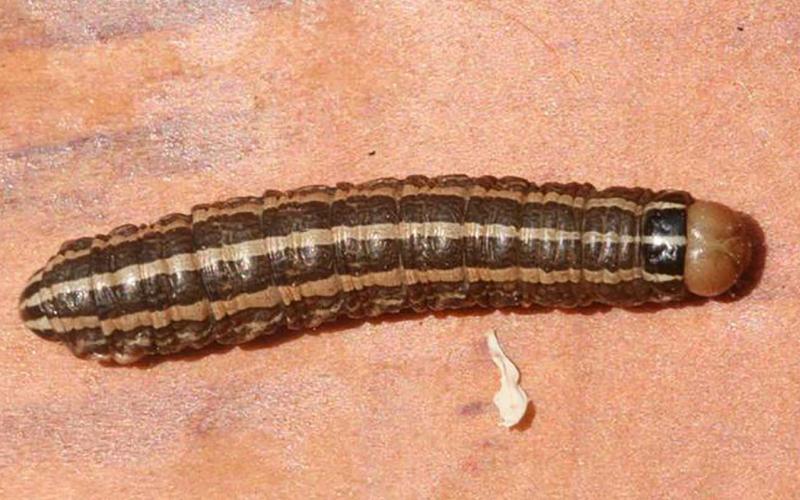
Monitor Lawns and Gardens for Bronzed Cutworm Activity
Bronzed cutworms can be an issue for lawns and gardens in South Dakota. In grass, bronzed cutworms will feed and leave small brown circular patches. Large populations of bronzed cutworm can result in severe lawn injury.
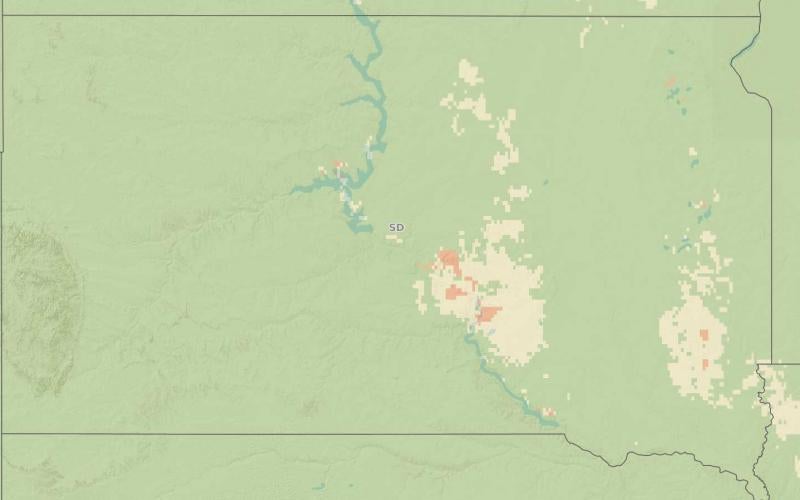
Fusarium Head Blight Predicted Risk for Spring Wheat
Most of the spring wheat is at or will soon be at flowering. One disease that can develop in wheat at this growth stage is fusarium head blight (FHB or scab).
Winter Wheat Diseases Update
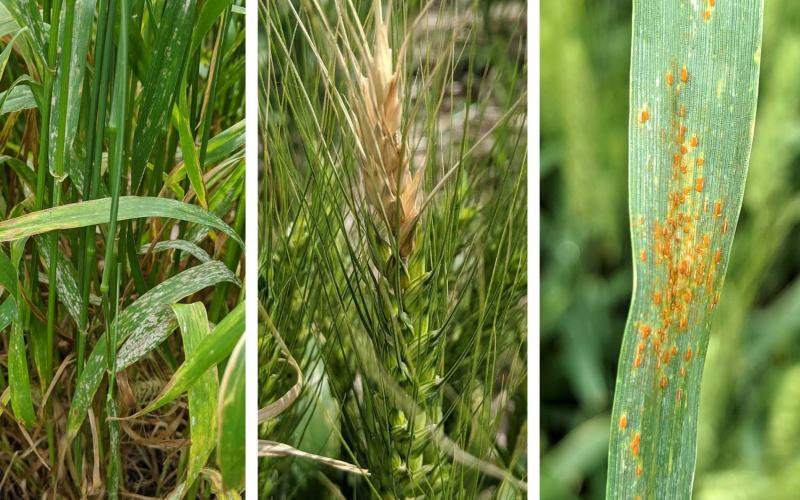
Powdery mildew, fusarium head blight and leaf rust were observed in a few winter wheat fields recently scouted. The recent rainfall showers and warm temperatures have favored these diseases to develop in winter wheat.
Sod Webworm in South Dakota
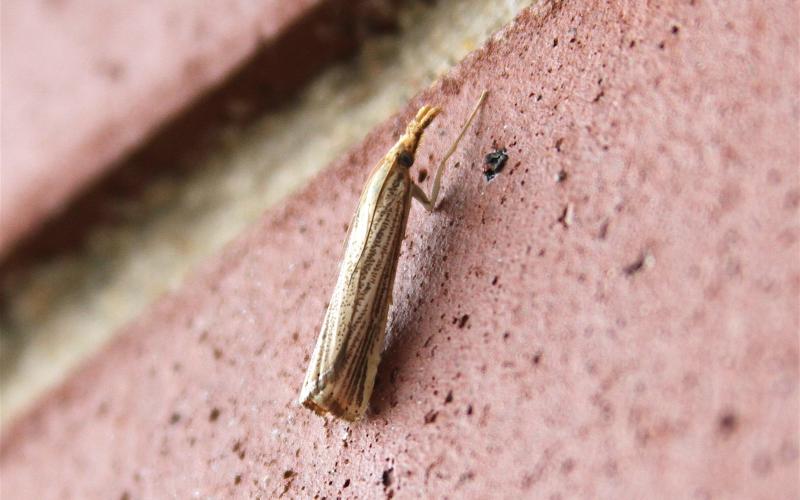
Sod webworm moths are emerging throughout South Dakota. Although these pests are common during the fall, the number of moth sightings and population densities in the Western half of the state are higher than normal. The particular species being found is the vagabond sod webworm. Unlike several other webworm species found in the United States, vagabond sod webworms rarely cause much damage and the adult moths are no more than just a short-term nuisance.