Search
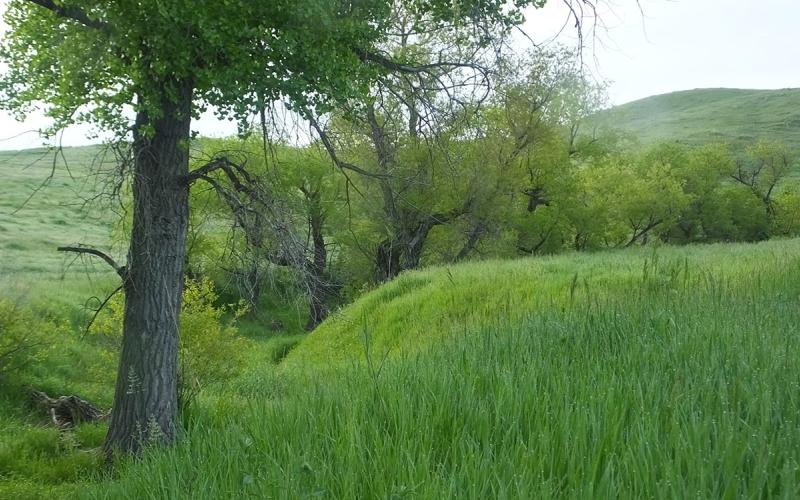
Ranching and Prairie Streams: Riparian Vegetation
Riparian vegetation consists of the collection of plants that thrive along streams, riverbanks, and wetlands. Learn about the many ecological benefits this vegetation provides.
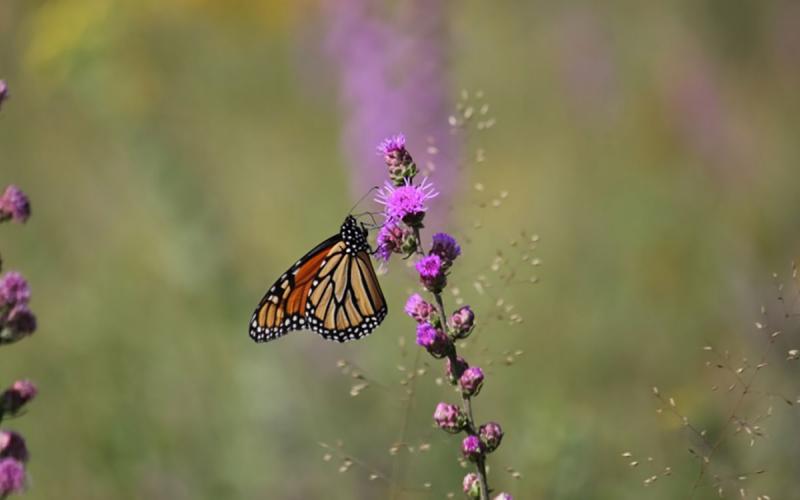
Understanding the Critical Role of Broadleaf Pollinator Plants in Pastures
Understanding the economic role of pollinators is the first step towards understanding their value to grassland and crop systems.

Wool: A Natural Bio-Enhancement for Gardens
Sheep's wool has been seeing increased use in gardens as mulch or a soil additive due to its numerous benefits. Learn how wool can help your plants and garden thrive this gardening season!
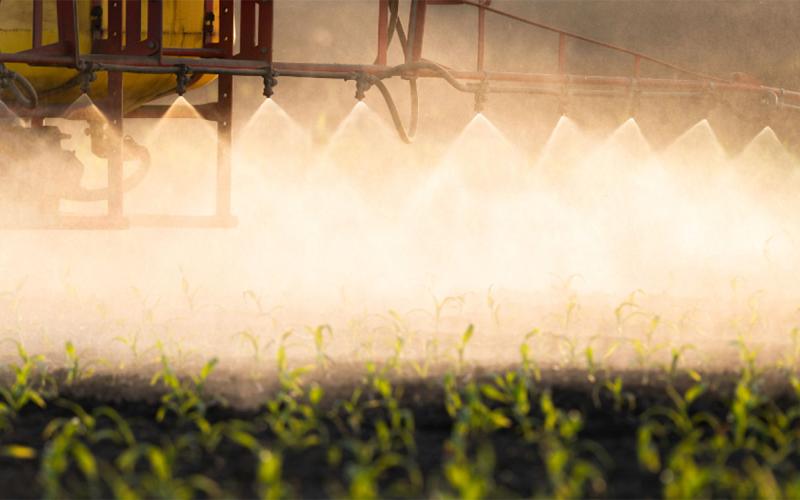
Considerations of Corn Postemergence Herbicides
Managing weeds after emergence is important to protect the yield potential of corn crops. Learn some important application considerations before selecting a postemergence herbicide.

Pick it, Try it, Like it for Grocery Stores and Sampling
Use these Pick it, Try it, Like it materials to educate consumers at farmers' markets or grocery stores.

Pick it, Try it, Like it for Schools and Adults
Use these Pick it, Try it, Like it lesson plans to engage elementary youth and adults in educational programs.
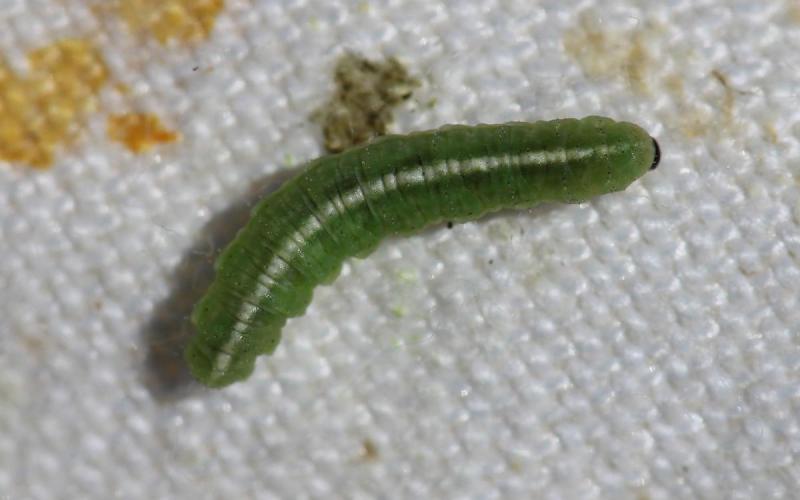
Alfalfa Weevil Activity Prediction Update: June 5, 2024
Although the degree day estimates suggest that alfalfa weevils are no longer active in the fields and should be pupating, scouting has indicated otherwise.
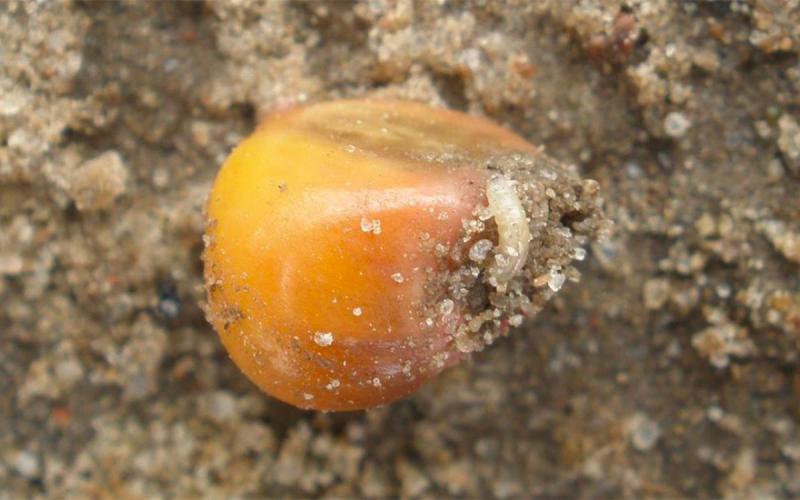
Seedcorn Maggot Degree Day Activity Estimates: June 5, 2024
Peak emergence of the second generation of seedcorn maggots is occurring in a few areas of the state. The rest of the state is between the second and third generation emergences.
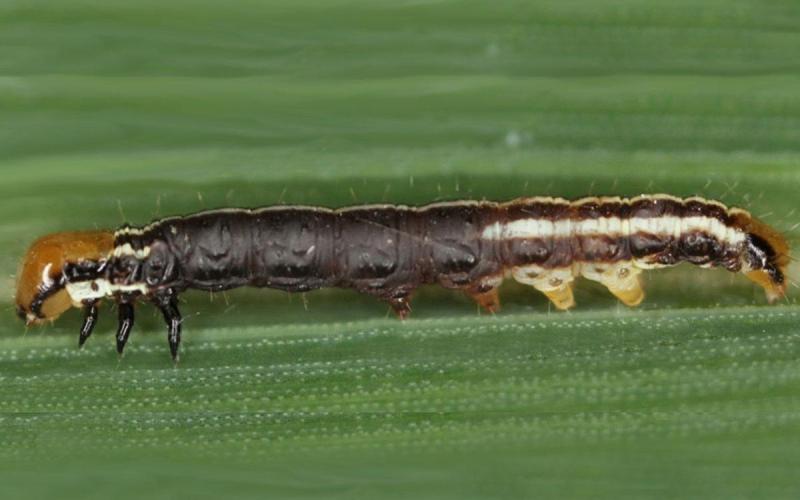
Common Stalk Borer Activity Estimate: June 5, 2024
In southern South Dakota, enough degree days have accumulated for common stalk borer caterpillars to begin moving from alternative hosts into corn. Fields should be monitored for leaves with signs of defoliation.
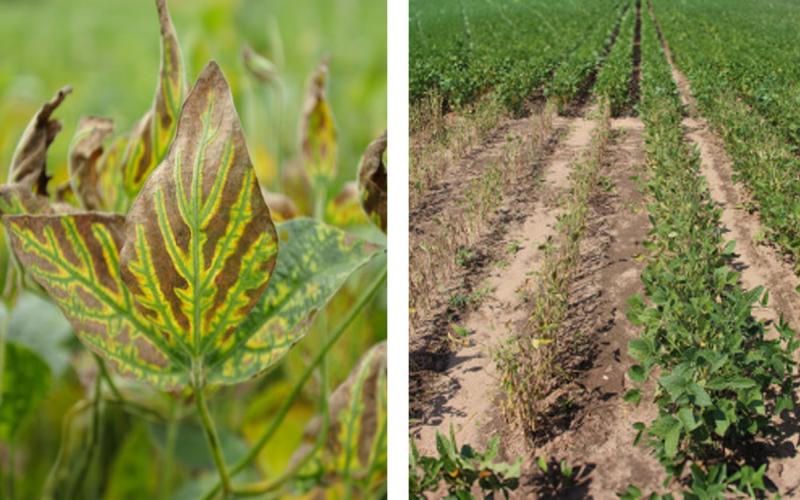
Are You at Risk for Sudden Death Syndrome in Soybean?
The present weather conditions of heavy rainfall and cool temperatures provide a favorable environment for sudden death syndrome in soybeans. Learn some expert tips for identifying and managing it this growing season.