Search
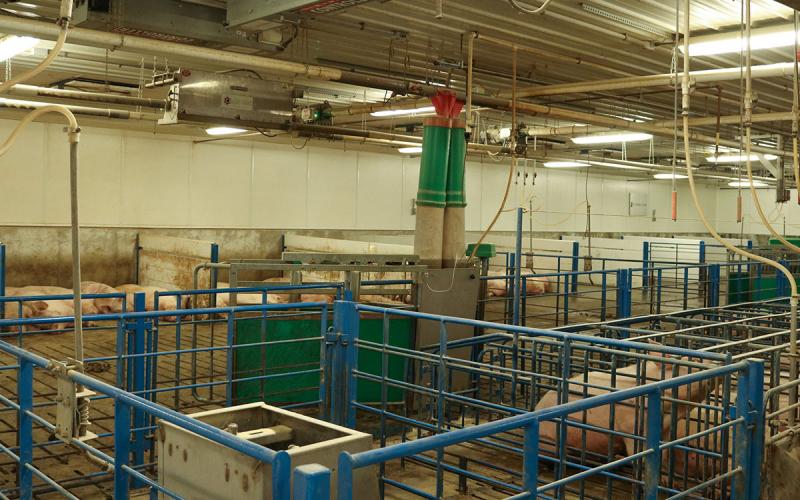
Pseudorabies Detected in Iowa and Texas Swine Farms: Prevention Tips, Clinical Signs, and Testing
For the first time since being eradicated in the U.S. Commercial swine herd in 2004, pseudorabies (PRV) has been confirmed in herds in Iowa and Texas. Responsibility falls on everyone in the industry to ensure that this virus does not gain a foothold again.
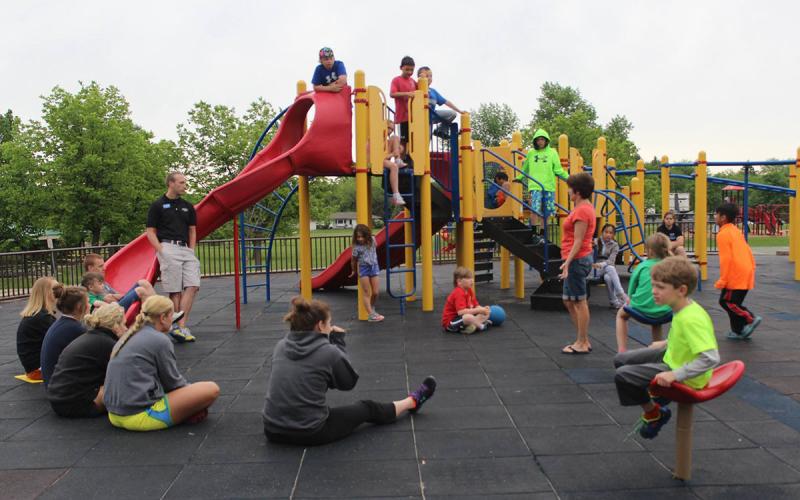
Summer Family Fitness Challenge
As the weather warms up and families spend more time outdoors, it’s the perfect opportunity to jump into some friendly competition and fun physical activity together!
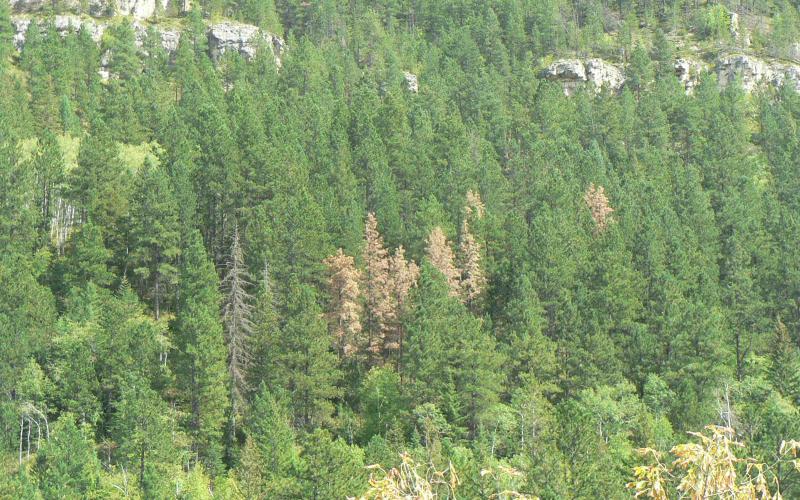
Pine Bark Beetle Meeting May 11 in Spearfish
May 04, 2026
SDSU Extension and USDA Forest Service staff will answer questions about pine bark beetles at a public meeting on May 11, 2026, at the Recreation Center multi-purpose room in Spearfish (122 Recreation Lane) from 6:30 to 8 p.m. MT.
It’s time for Breeding Soundness Exams
In this episode of Cattle HQ, we discuss how to test bulls for fertility with Dr. Russ Daly, SDSU Extension Veterinarian.
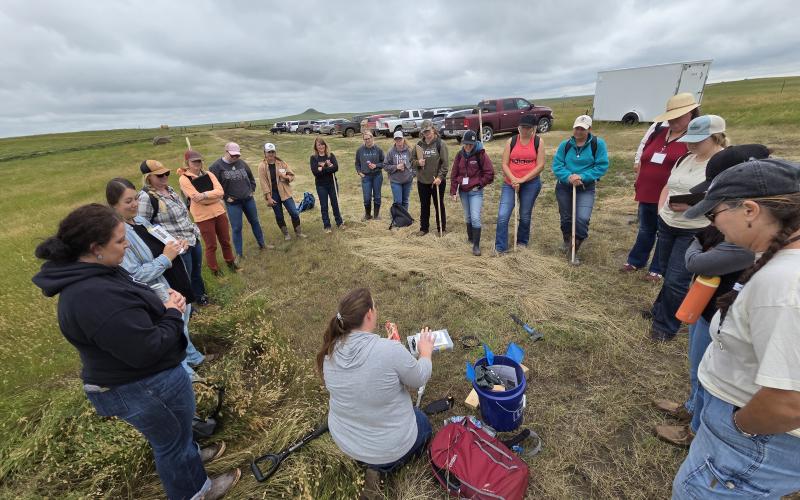
Women in Agriculture
SDSU Extension's women in agriculture programs are open to all. These programs are designed to provide practical education and a strong support network to benefit farmers, ranchers, business professionals and those who support the agricultural industry.
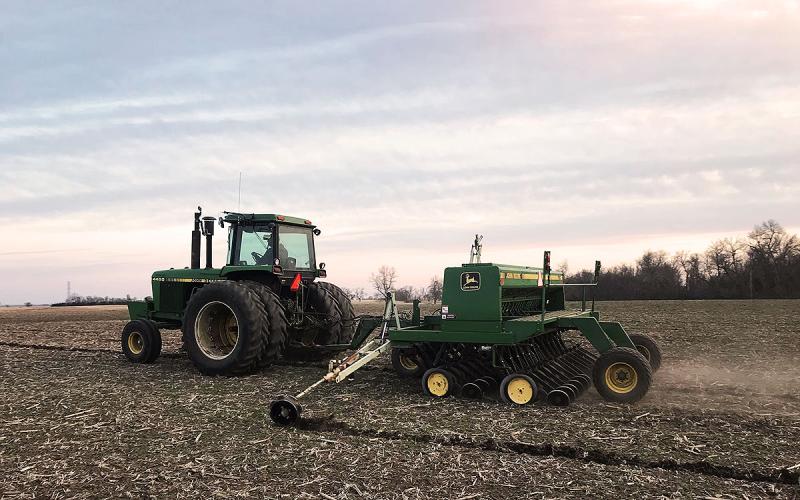
Fields of Growth: Taking Care of Your Mental Health During Planting Season
Despite the opportunities that come with a new planting season, it is just as important to care for your mental and physical health during this busy, stressful time of the year.
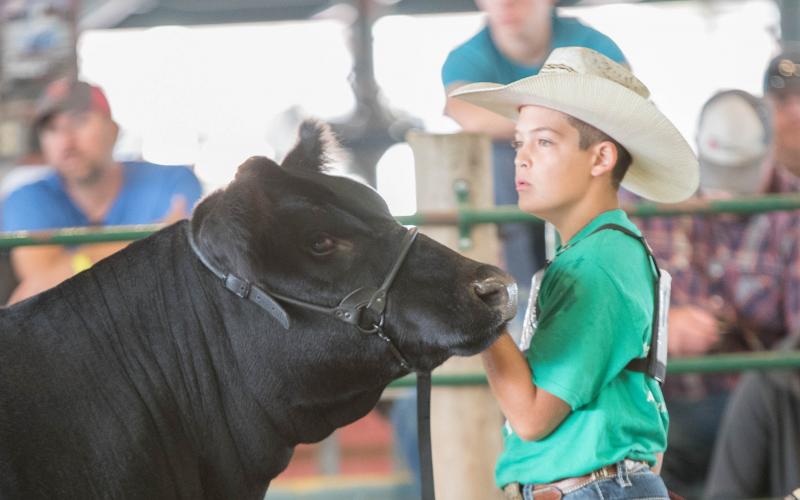
South Dakota 4-H Animal Lease Form
View the South Dakota 4-H Animal Lease Form and requirements for leasing an animal.

The Economic Advantages of No-Till: Diesel Fuel
While no-till and conservation systems are often discussed for their soil health benefits, the economic advantages are becoming increasingly important in today’s farm economy, particularly when it comes to fuel costs.
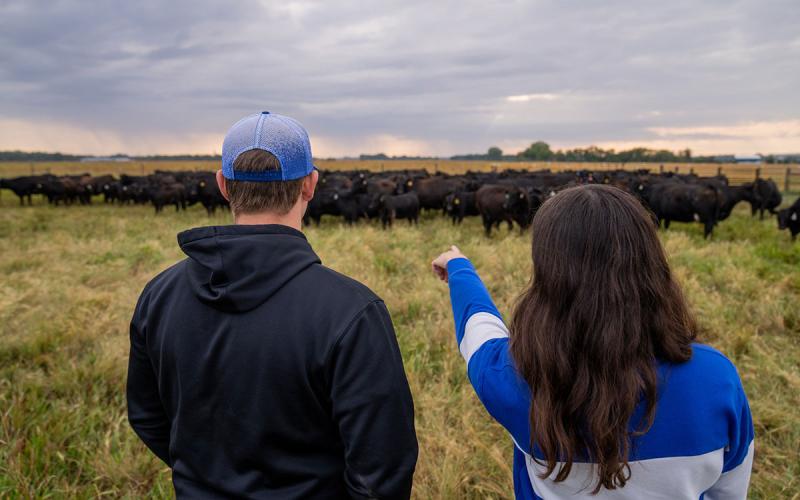
Breeding Season Preparation
Whether you are going to be using artificial insemination or turning out bulls for natural service, planning plays an essential role in a successful breeding season.
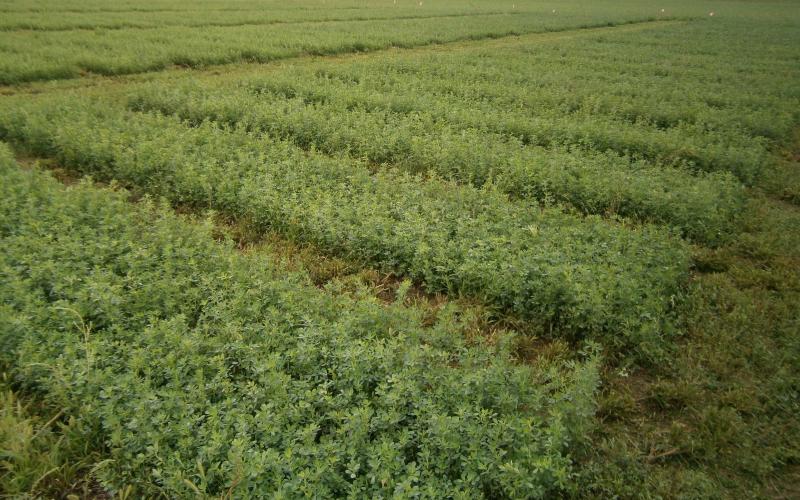
Effects of Late Spring Frost on Alfalfa
Forage research indicates that, although alfalfa is considered to have good cold temperature tolerance, minor frost damage may occur when plants are exposed to air temperatures slightly below freezing for several hours, and more severe damage will be seen when temperatures drop below 25°F for four or more hours.