Search
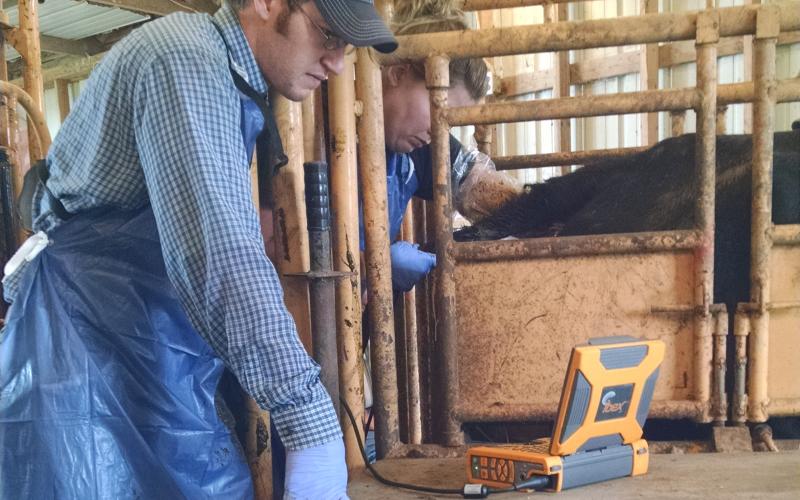
Checking for Success: The Value of Pregnancy Checking the Cow Herd
Successfully managing drought conditions not only requires careful monitoring of pastures and inventory of feedstuffs, but management should also take into account the productive cow herd size.
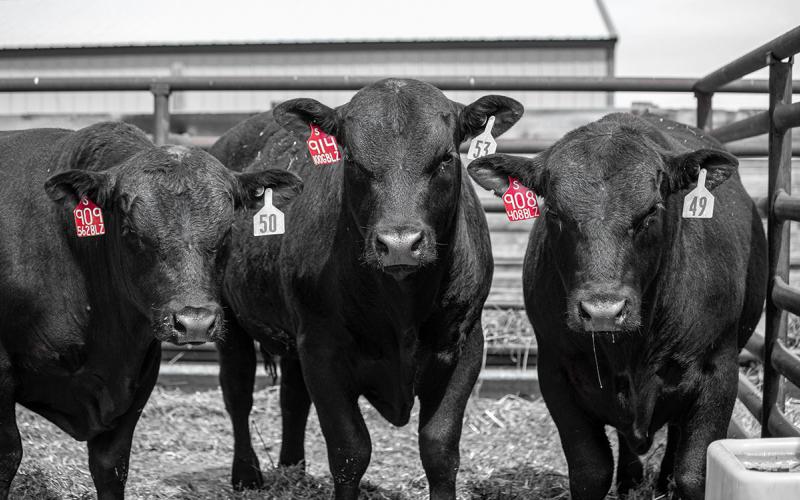
Buying Bulls With a Plan
Selecting new herd sires is an annual process for beef producers. Learn tips for selecting the correct herd sire for your operation that will progress your operation and improve your cattle.

Fall Prevention
SDSU Extension wants to help you avoid the chance of a life-changing fall. We offer a variety of evidence-based, community led, health education workshops to help you address factors that contribute to fall risk.
Youth for the Quality Care of Animals (YQCA) in South Dakota 4-H resources
About YQCA – the national program
Youth for the Quality Care of Animals (YQCA) is a national multi-species quality assurance program for youth ages 8 to 21 with a focus on three core pillars: food safety, animal well-being, and character development. The YQCA program is an annual certification created for youth producing and/or showing beef cattle, dairy cattle, sheep, meat goats, dairy goats, swine, poultry, and rabbits. The program has been designed by extension specialists and national livestock program managers to ensure it is accurate, current and relevant to the needs of the animal industry and shows, and is appropriate for youth learning levels.
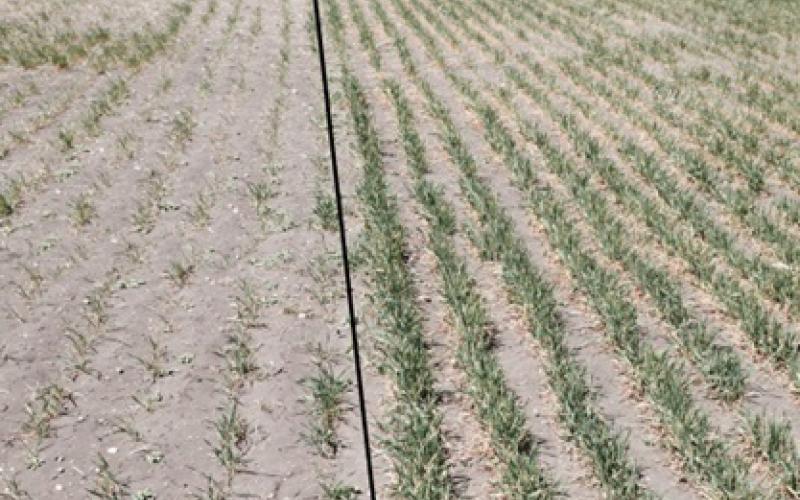
The Difficulty in Winter Wheat Stand Assessments
From freak snow storms to sub-zero temperatures and on to a recent lack of moisture and a cool spring, the climate in South Dakota has left many winter wheat growers and agronomists wondering about the health of their stands.
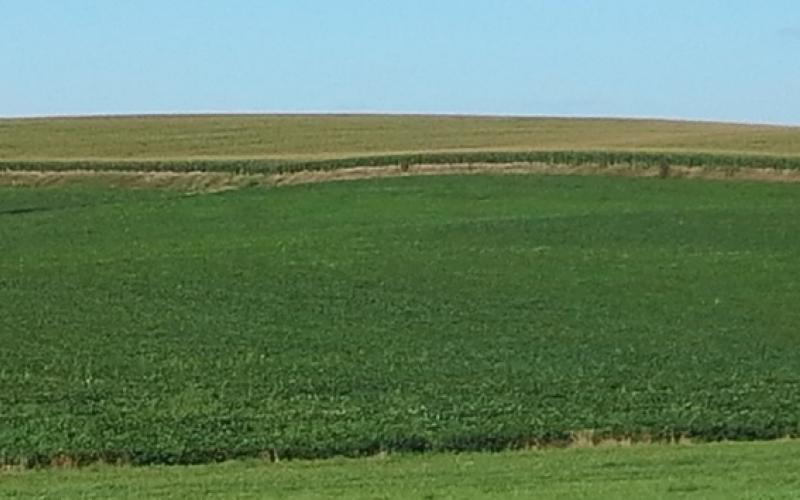
Yellow Soybeans
Yellow soybean areas within fields are being noticed in some areas of the state. There are six factors which could be causing the soybean plant yellowing: nitrogen (N), potassium (K), or sulfur (S) deficiency, iron deficiency chlorosis (IDC), soybean cyst nematode (SCN), or yellow flash from Roundup application.
Water Use by Plant Stage
Over the growing season, solar radiation, air temperature and plant size are the dominant factors in determining evaporative demand and the rate of water use by wheat. Water use can vary dramatically on a day-to day basis, depending on climate and wheat health.
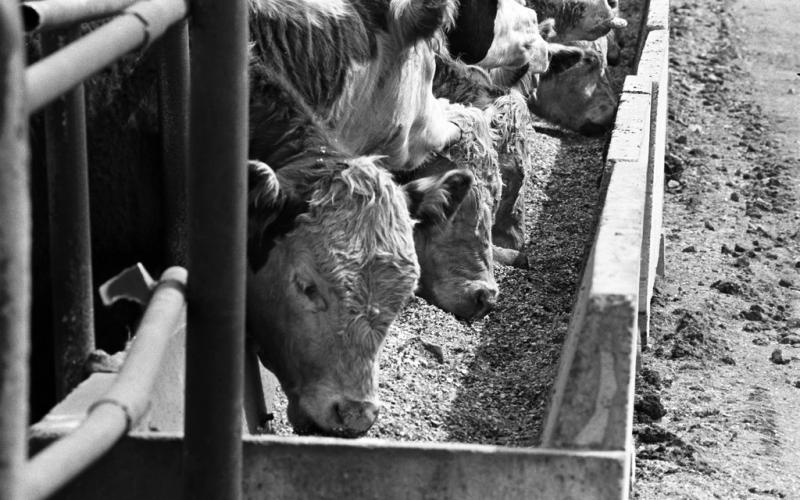
Monitoring Nutrient Status of Beef Cows
Managing cows through the winter provides different challenges compared to managing those same cows during the growing season. With snow cover, cows should oftentimes receive supplemental feed to meet nutrient requirements during late gestation and into calving season due to low forage or limited quantity.
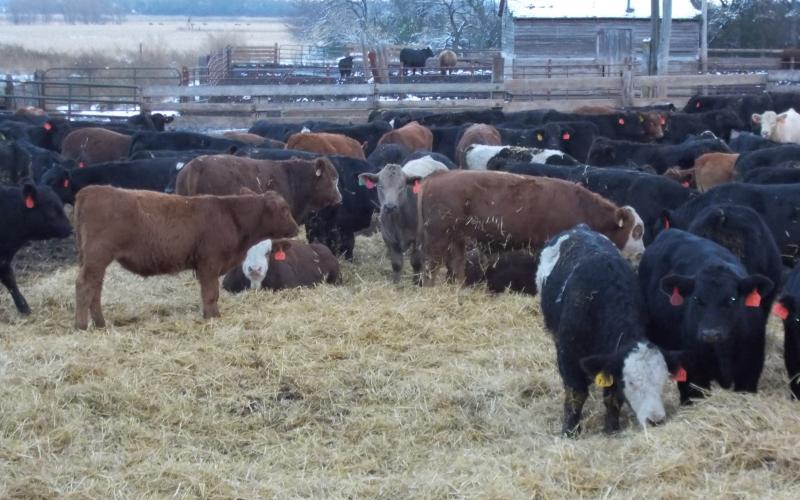
Managing Cattle Through Winter Weather Conditions
Winter weather conditions often present challenges to cattle managers in the Northern Plains. Although we can’t alter the weather, there are management steps that can be taken to help maintain cattle health and performance.
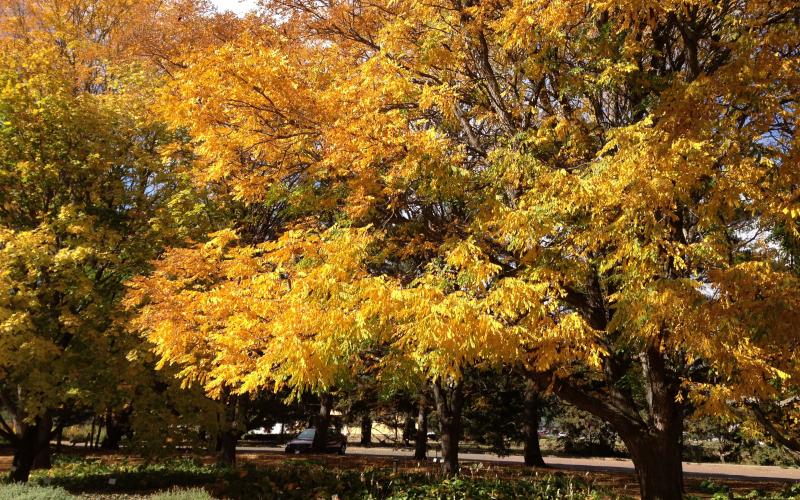
Kentucky Coffeetree
Kentucky Coffeetree (Gymnocladus dioicus) is a medium-sized tree that will fit into many landscapes and provide interest all year with its bark, leaves, flowers, fruit and even great fall color, if weather conditions are right.