Search
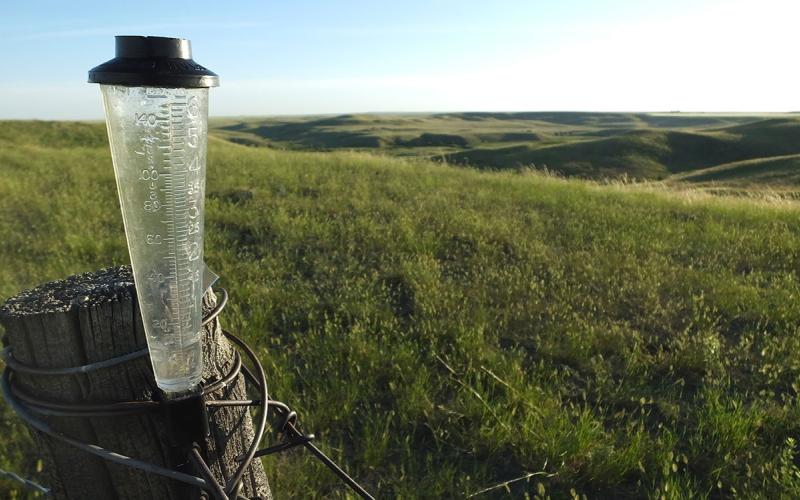
Five Range Management Principles: #5 Climate Ready
Understanding your ranching system is critical, and identifying anticipated soil-plant-animal responses during periods of dry, wet, or normal conditions will enable you to develop climate-ready practices. Learn how to get started today!

Keep Your Pastures Guessing: Why predictable grazing is costing you
Your cattle don't care which pasture they're in. Your pastures, on the other hand, care enormously. Give them something to work with, and keep them guessing.
Sale Barn Data
On today’s episode, SDSU Extension Cow/Calf Field Specialists Adele Harty and Olivia Amundson discuss current research looking at factors affecting value of calves sold through South Dakota sale barns.
Every Acre Counts
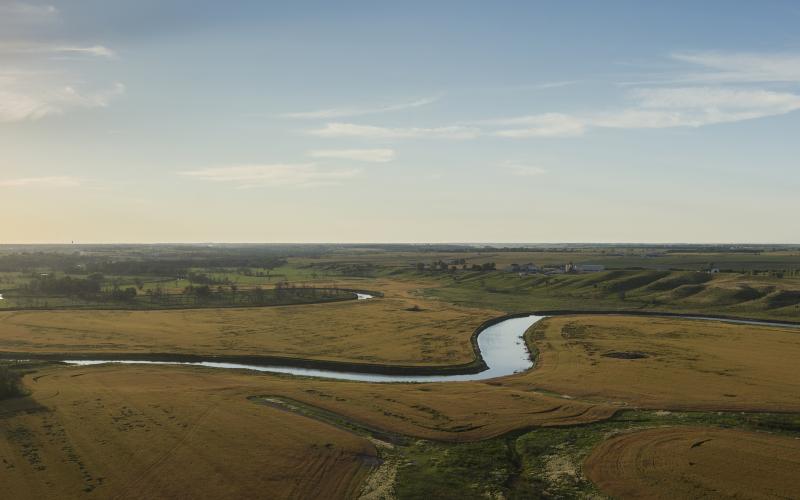
Every Acre Counts improves production practices for greater profitability.
Woody Weeds: Eastern Red Cedar
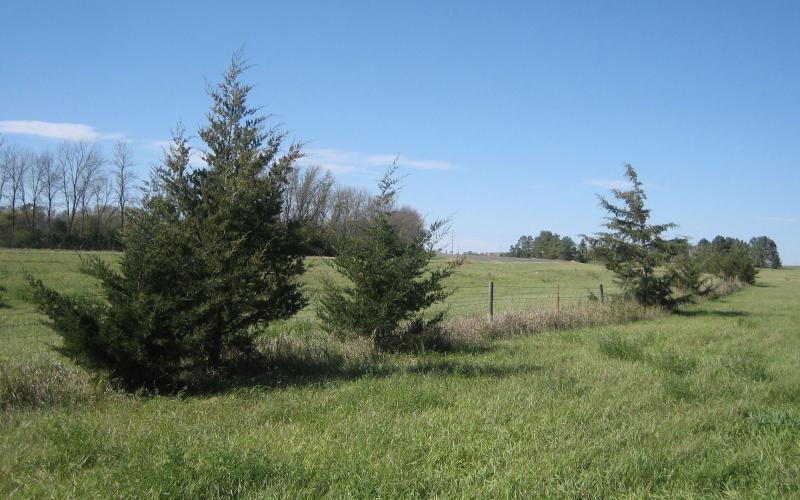
While eastern red cedar (Juniperus virginiana) is native to South Dakota, and has many positive qualities, it has become a problem species over large areas of the Great Plains.
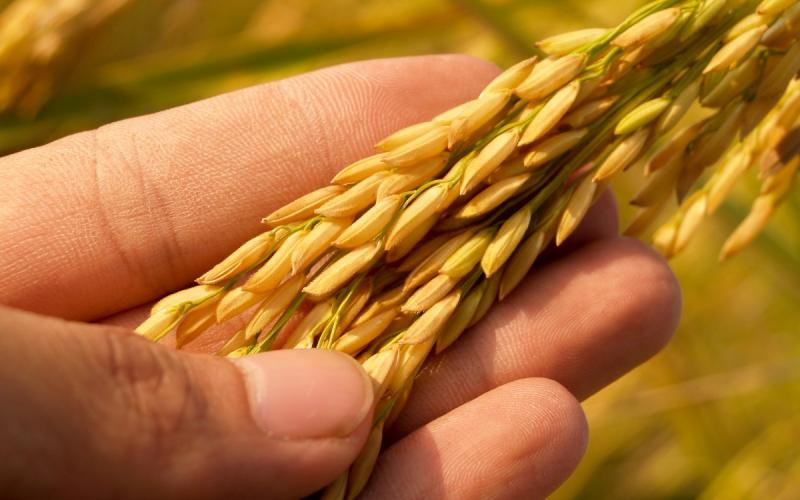
Improving Protein Content in Wheat
Wheat producers in South Dakota always strive to grow a premium product. Quality in wheat often depends on test weight and protein content.

Johne’s Disease Testing in Beef Herds: Looking at the Available Tests
Once thought to be a dairy cattle problem, Johne’s Disease is increasingly a topic of conversation for beef seedstock and commercial producers alike. An understanding of the Johne’s Disease testing options available is a good first step in devising a herd health plan.
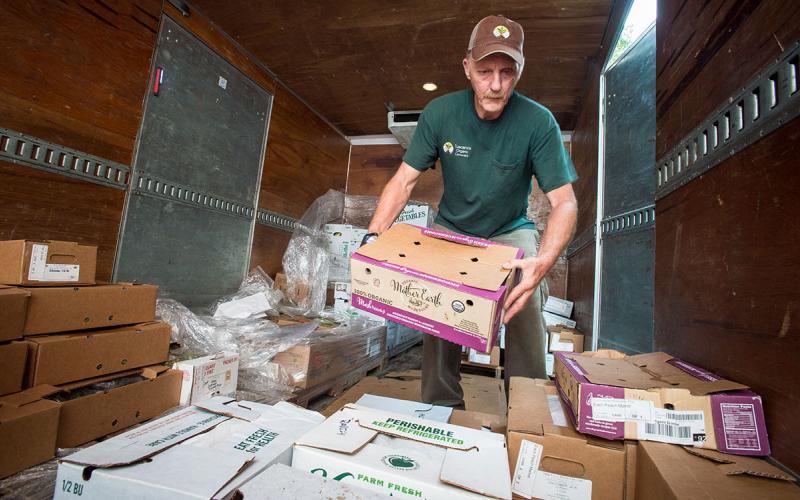
Regulatory Guidance for Selling Foods in South Dakota
Now more than ever, we are seeing food processors and entrepreneurs in South Dakota bringing their food products, not only to farmers markets, but also to retail stores. This article provides regulatory guidance and outlines the necessary steps required to allow for the sale of foods to retail stores.
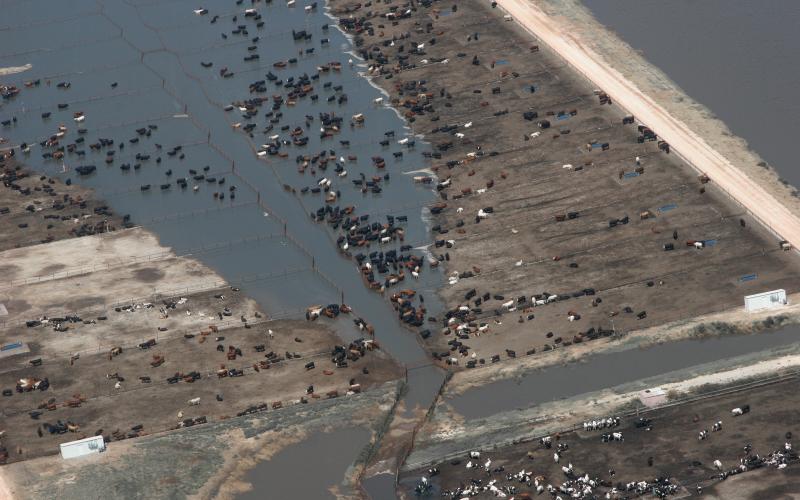
Dealing With Spring Mud and Flooding
As the snow melts, we are going to be left to deal with mud at a minimum and extensive flooding as a possible worst-case scenario. While we can’t control the pace of melting or the possibility of additional precipitation, we may be able to take a few steps to mitigate the negative impacts.

What Does it Mean to Have Chronic Disease?
Chronic diseases are defined broadly as conditions that last one year or more and require ongoing medical attention or limit activities of daily living, or both.