Search
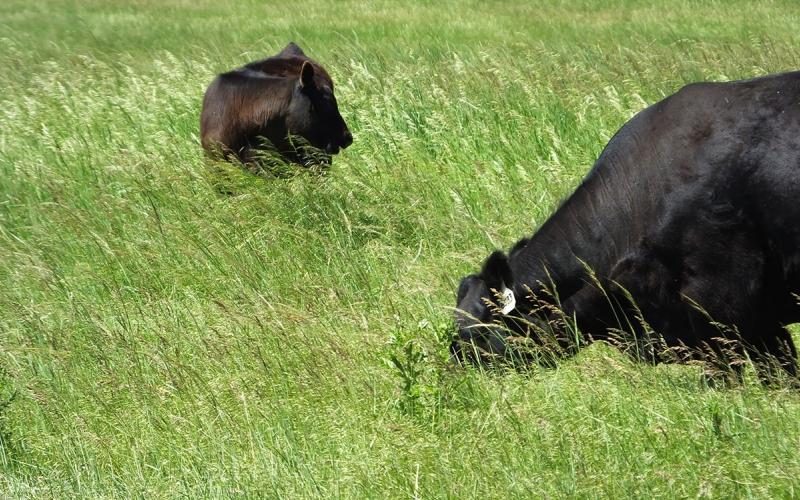
Grass-Fed Beef: Understanding Terminology in Conventionally Raised Beef and Grass-Fed Beef
What makes grass-fed beef different from conventionally raised beef? This is perhaps the most-common and sometimes most-complex question that arises amongst those hoping to understand the similarities and differences between conventional and grass-fed beef.
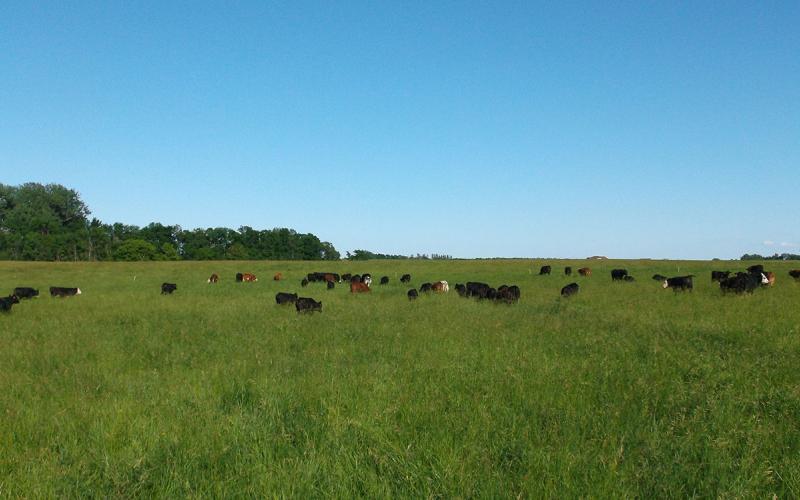
Grass-Fed Beef: Market Share of Grass-Fed Beef
So, how significant is the grass-fed beef industry in America? About four percent of U.S. beef retail and food service sales is comprised by grass-fed beef with a value of roughly $4 billion.
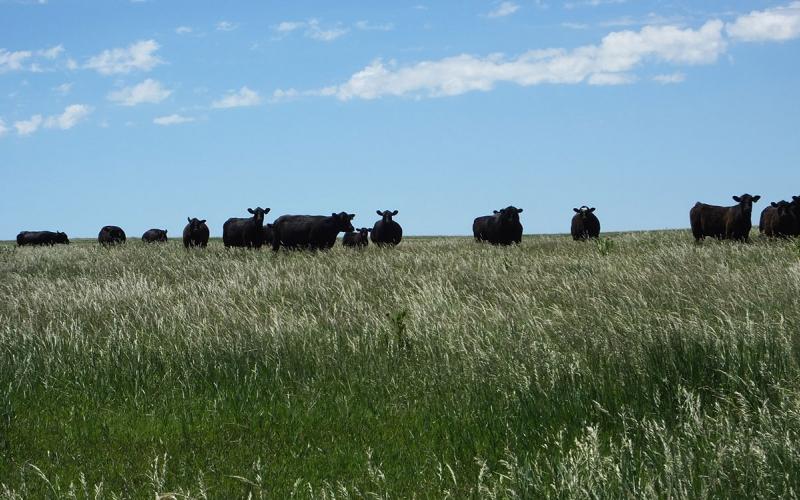
Grass-Fed Beef: Production Costs, Quality, Voluntary Certifications and Marketing
Generally speaking, grass-fed beef producers are challenged with production expenses that are greater than those of conventionally raised beef. However, profit margins can be greater than those of conventionally raised beef if marketed wisely and creatively.
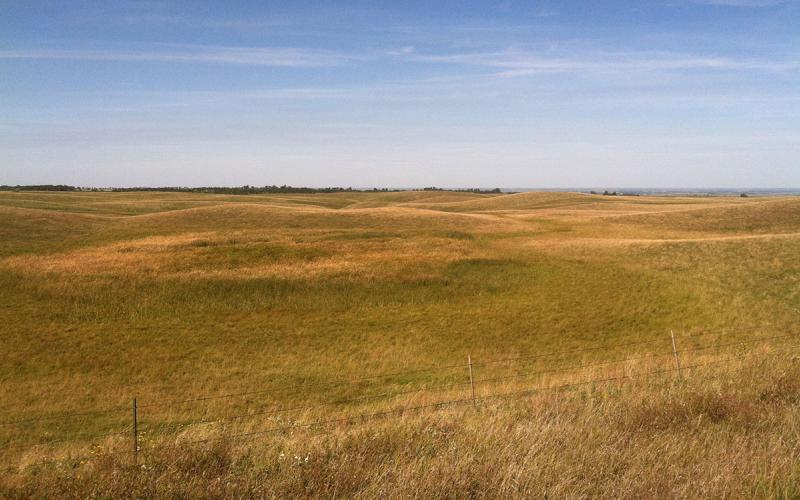
Grassland Management Do’s and Don’ts
This article is intended to address the variety of questions we receive related to establishing, re-establishing and maintaining grass-based plantings for grazing, hay, wildlife and recreation.
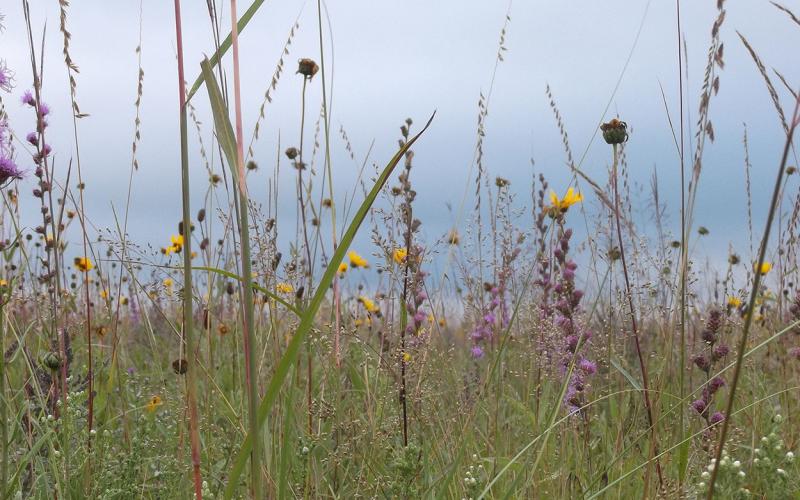
Partnerships Are Keys To Preventing Endangered Species Impacts
South Dakota’s farmers and ranchers have significant influence on the management of our state’s natural resources, especially grasslands and the species that inhabit them. These species remind us of the importance of natural resources management for the greater good.

Financial Planning Tools
A high level of financial literacy, the ability to make sound financial decisions based on your knowledge, will improve your financial well-being.
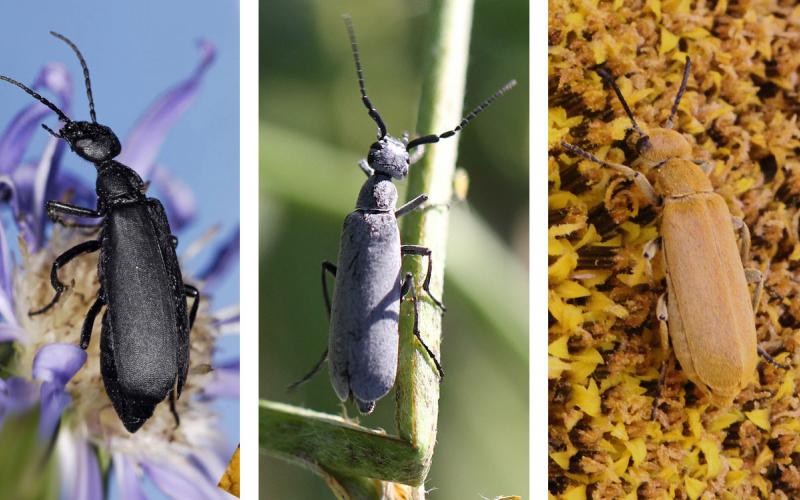
Blister Beetles Showing up in Alfalfa Fields
Blister beetles are now active in South Dakota. Although the larvae of blister beetles can be beneficial by feeding on grasshopper eggs, the adults cause issues when large populations are present in alfalfa at the time of harvest.
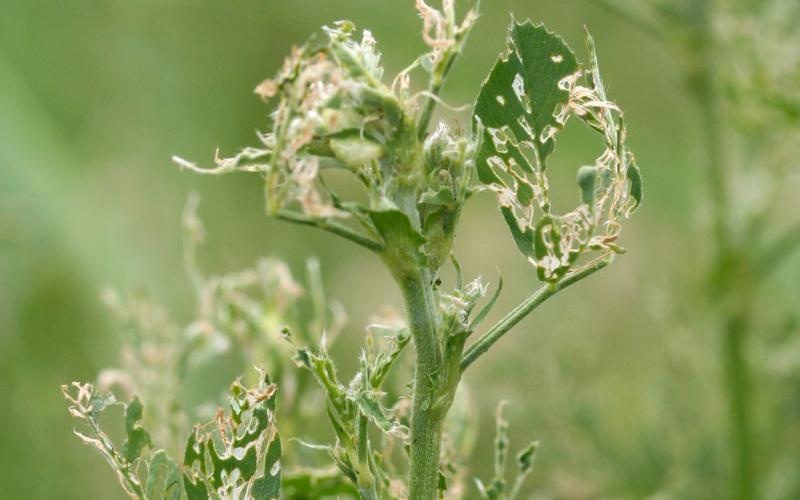
Keep Scouting for Alfalfa Weevils
This week we received a report and picture confirmation of early-instar alfalfa weevil larvae in an alfalfa field. Although most alfalfa fields were treated for alfalfa weevils before the first cutting, those fields still need to be scouted.
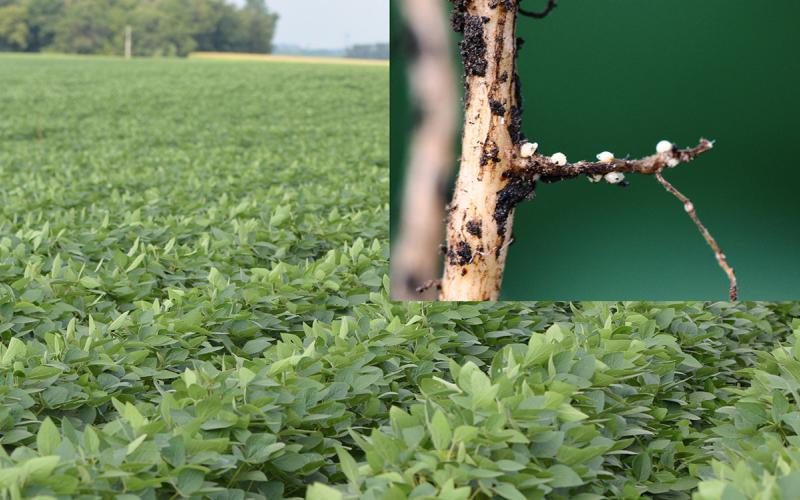
Drought Conditions May Increase Soybean Cyst Nematode Population in Soil
Moisture stress coupled with above-normal temperatures have been linked with increased soybean cyst nematode populations in the soil. In order to keep populations in the soil below the yield-reducing levels, there are a few management practices which can be used.
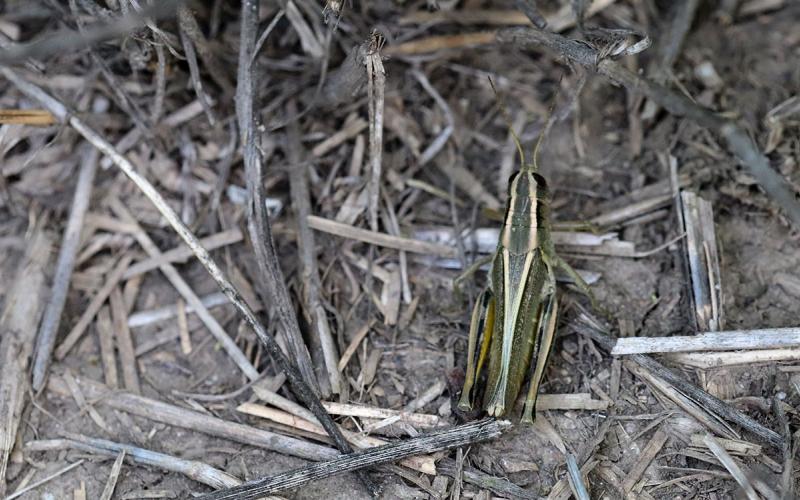
Grasshoppers Are Causing Concerns in South Dakota Crops
In 2020, grasshopper populations were an issue in parts of central and western South Dakota. The populations this year are moving into crops earlier and appear to be as bad as the ones observed last year.