Written collaboratively by FNU Muskan, Sachin Dhanda, and Eric Jones.
Kochia and waterhemp remain the most challenging weeds for South Dakota farmers to manage due to herbicide resistance. While herbicide resistance in these species has been reported in South Dakota and in nearby states in the Midwest region, no statewide resistance screening has been conducted in South Dakota to date.
Weed Samples Tested
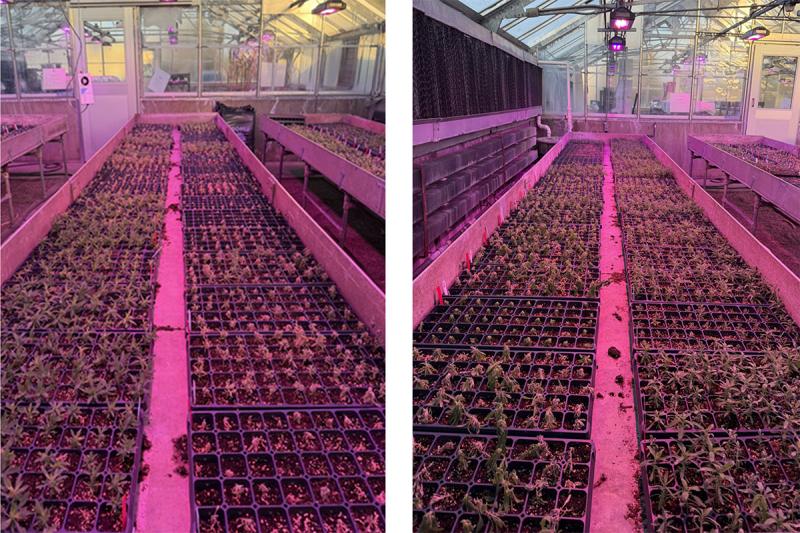
Thank you to everyone who submitted weed seed samples to SDSU for herbicide-resistance screening. We have received 16 kochia samples from 13 counties in the central and eastern part of the state, as well as a location along a railroad corridor between Clay and Yankton counties. We also have received waterhemp samples from 20 counties. These samples reflect a wide geographic range of crop production and will provide an overview of potential herbicide resistance patterns across the state. Currently, we have begun screening kochia populations to evaluate herbicide resistance to 12 commonly used herbicides, including Clarity (dicamba), AAtrex4L (atrazine), Beyond Xtra (imazamox), Starane Ultra (fluroxypyr), Maestro 2EC (bromoxynil), Roundup PowerMAX 3 (glyphosate), Liberty Ultra (glufosinate), Cobra (lactofen), Sharpen (saflufenacil), Callisto (mesotrione), and Pixxaro (halauxifen + fluroxypyr) at labeled rates (Figure 1).
Resistance Screening Methods
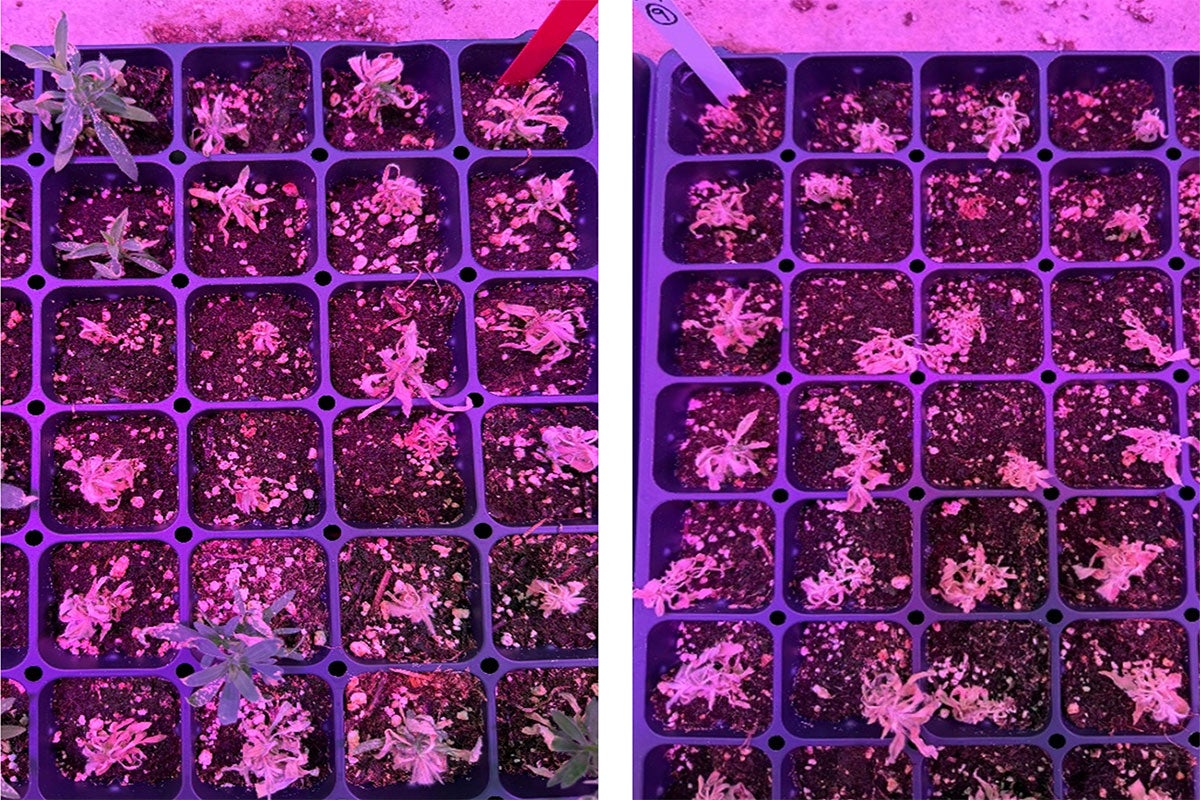
Resistance screening consists of sowing seeds from each submitted sample and then treating 50 plants 3 to 5” in height with a particular herbicide using a calibrated spray chamber to simulate field application conditions. Unlike rapid molecular diagnostic tests which can discover resistance genes in a few days, greenhouse screening evaluates actual plant response to the herbicide application, which takes around three-four weeks. Since herbicides differ in symptom development, some cause rapid burndown while others produce slower symptoms like twisting or chlorosis, this extended monitoring is crucial to confirm the effect (Figure 2).
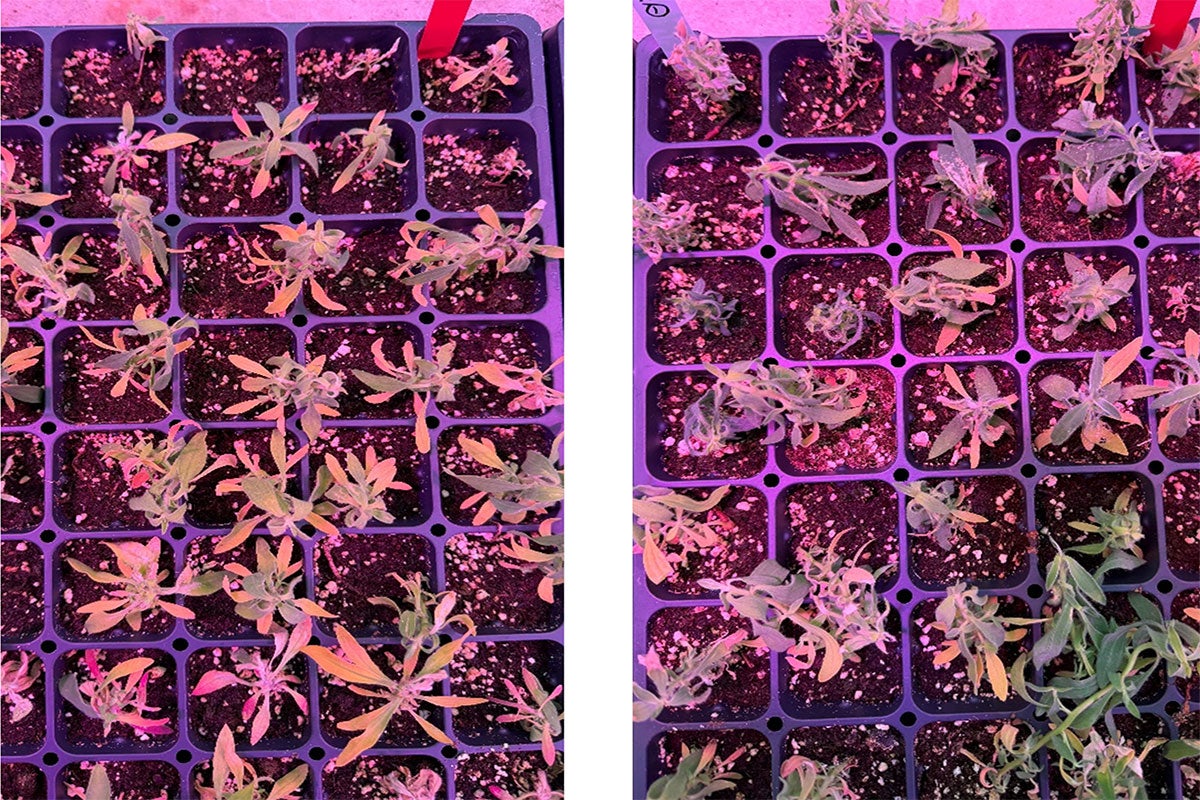
At the end of the evaluation period (21 days), plant survival percentage will be recorded for each population to determine potential herbicide-resistant biotypes. Each population and herbicide will undergo screening two times to ensure results are consistent to confirm resistance.
This statewide screening will give valuable information not only for farmers who submitted the samples, but also for regional and county-level resistance patterns across South Dakota. The results will guide herbicide selection, tank-mix strategies, and resistance management programs, which will help growers to choose effective management strategies. Once the results are available, we will share them with you. Stay tuned!
If you are interested in submitting samples, please see our Herbicide Resistance Screening page for more information.