Running for office in rural South Dakota can be both rewarding and challenging. Local elected officials play an important role in shaping the future of their communities, and their decisions often have a direct impact on residents' daily lives. Because rural communities are often smaller and more interconnected, residents frequently have closer relationships with their elected officials and greater opportunities for direct interaction.
Most people have received campaign flyers in the mail or phone calls from candidates seeking elected office. Behind every campaign is an individual who has decided to step forward and serve their community. While people run for office for many different reasons, the most effective leaders remain focused on representing their neighbors, addressing community needs, and helping their community thrive.
While the motivations for seeking office may be similar everywhere, serving in a rural community comes with unique responsibilities and opportunities. Effective local leaders understand that public service is about bringing people together, solving problems, and working toward the long-term vitality of the place they call home. Unlike in larger cities, rural elected officials often know many of the people they represent personally. This close connection creates unique opportunities to listen to residents and respond directly to community needs. Remembering that can help elected officials remain focused on serving the greater good rather than individual interests.
So, what can you do if you want to make a positive impact in your community? Start by identifying the changes and improvements you would like to see. If you find yourself thinking about ways to enhance the overall quality of life in your community, serving in local government may be an excellent opportunity to make those ideas a reality. However, if your passion is focused on a single issue rather than broader community goals, there are other ways to make a difference. For example, if you would like to see pedestrian crosswalks installed at a busy intersection, organizing an action committee and working with local leaders may be more effective than seeking elected office. Bringing together residents who share your concern and advocating for the project can help turn an idea into reality. Public service can take many forms, and elected office is just one of them. Serving in elected office is often most rewarding for individuals who are interested in the overall well-being of their community.
For those who choose to serve, local government provides many opportunities to shape the future of their community. You might work to revitalize and beautify the downtown area, making it more welcoming for residents and visitors. You could help develop strategies to attract new residents and support business growth and economic development. You might also work to address housing shortages, maintain local infrastructure, support workforce development, or help ensure essential services remain available to residents. By serving in local government, you can play a direct role in shaping the future of your community and improving residents' quality of life.
While these opportunities can be rewarding, rural communities frequently have limited financial and human resources, which require leaders to invest their time and energy in strengthening the places they call home. As a result, elected officials must be creative, collaborative, and willing to work with community organizations, businesses, and volunteers to accomplish local goals. Often, this means serving on multiple committees and volunteering more time than their urban counterparts.
Once you have decided to run for office, careful preparation can help you build a strong campaign, connect with voters, and effectively communicate your vision for the community.
Strategies for Running a Successful Campaign in Rural South Dakota
Develop a clear platform.
Make a short list of goals that you can use as discussion points. These goals should be realistic and focused on the short term, typically within one to three years. They should also be achievable with resources that are already available or within reach.
Listen to the voters.
Sometimes residents are quiet, but that doesn't mean they don't have concerns. You can organize a meeting at your local library or community center or stop by community gathering places where people meet for coffee in the morning. Ask residents about their concerns and what changes they would like to see in their community. In rural communities, some of the most valuable conversations happen informally at local businesses, community events, and other gathering places. If funding becomes part of the conversation, ask whether they would be willing to support certain projects, even if it means a slight increase in taxes. This will help you better understand what your community wants and what it is willing to do to make those changes happen.
Effective communication is essential when running for office.
Voters want to understand your vision for the community and how you plan to address local challenges. While some residents may be hesitant about major changes, discussing broad community goals and realistic improvements can help build trust and support among potential constituents. Community members will want to know what makes you the best candidate for the position. When discussing your qualifications, focus on the positive. Highlight your previous experience, whether it comes from serving in elected office, volunteering, participating in community organizations, or other leadership roles. Share examples of what you have accomplished and explain what you hope to achieve in the future.
Be informed about the election process.
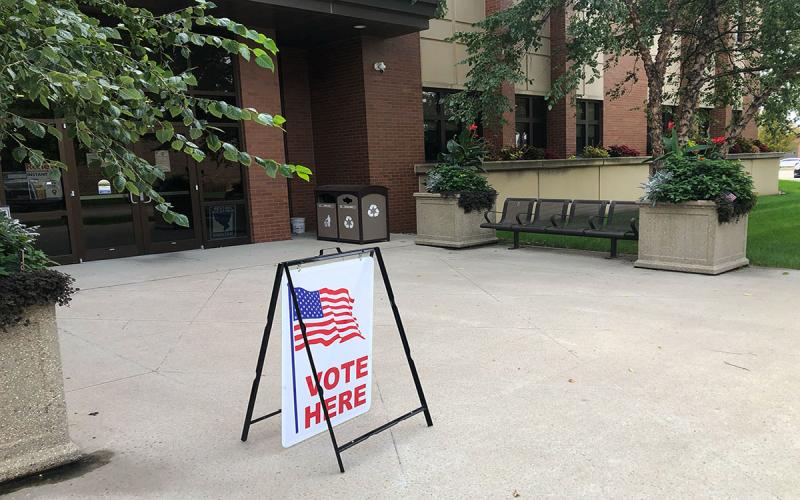
As you meet with residents, be prepared to answer basic questions about voting and elections. They may ask how to register to vote, where to vote, or how to determine which ward, district, or precinct they live in. Being able to connect them with the election information that they need will encourage civic participation. It also demonstrates your ability to provide helpful information when needed.
Be willing to advertise yourself.
Social media can be an effective tool for reaching voters and communicating your message, but you should share your qualifications and strengths on the local radio and in the community newspaper as well. You should be willing to go door to door to introduce yourself and explain why you are running for office. Attend community events, local meetings, and school activities whenever possible. Being visible and approachable helps voters get to know you as a person, not just as a candidate. Voters are more likely to support someone they know, trust, and believe is genuinely invested in the future of their community. Building relationships and maintaining a positive reputation can be just as valuable as traditional campaign materials.
Consider taking on a leadership role in your community.
Running for office may seem intimidating, but local governments need dedicated individuals who are willing to step forward and make a difference. If you care about your community, have ideas for its future, and are willing to listen and learn, you may be more qualified than you realize. Public service provides an opportunity to help shape local decisions, address community concerns, and create positive change. Whether you are a lifelong resident or a newer member of the community, your perspective and leadership can make a valuable contribution. By getting involved and serving others, you can help your community continue to grow and thrive.