September is National Food Safety Education Month, a time to bring awareness about preventing foodborne illnesses. A foodborne illness results from eating or drinking contaminated food or beverages. The Centers for Disease Control and Prevention states that 1 in 6 Americans become sick each year from eating food that has been contaminated. Our environment contains many types of bacteria and when harmful bacteria contaminate the food we eat, they can cause foodborne illness. There are many different types of foodborne illnesses, and the symptoms can occur within minutes to weeks. Therefore, it is crucial that we practice proper food safety. Foodborne illnesses are preventable; below are a few tips to follow to help minimize your risk.
Food Safety Tips
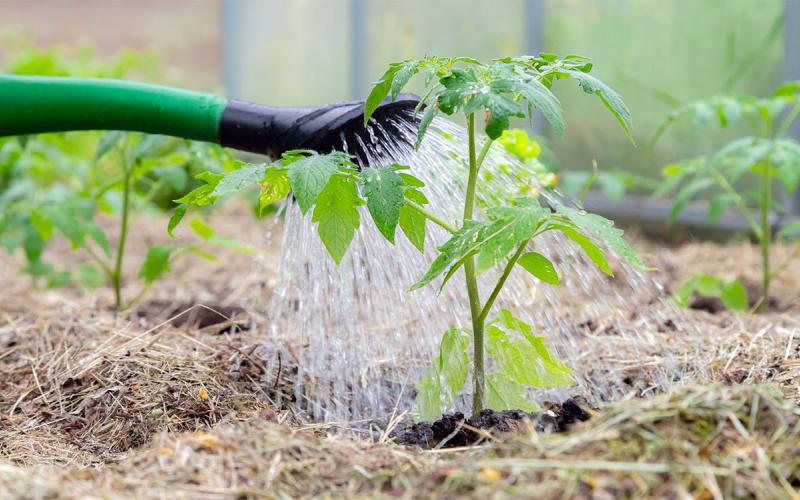
- Clean: Keep all food preparation surfaces sanitized, rinse fresh produce before consuming and wash hands with soap and water before handling any food.
- Separate: To prevent cross-contamination, keep raw foods separate from ready-to-eat foods.
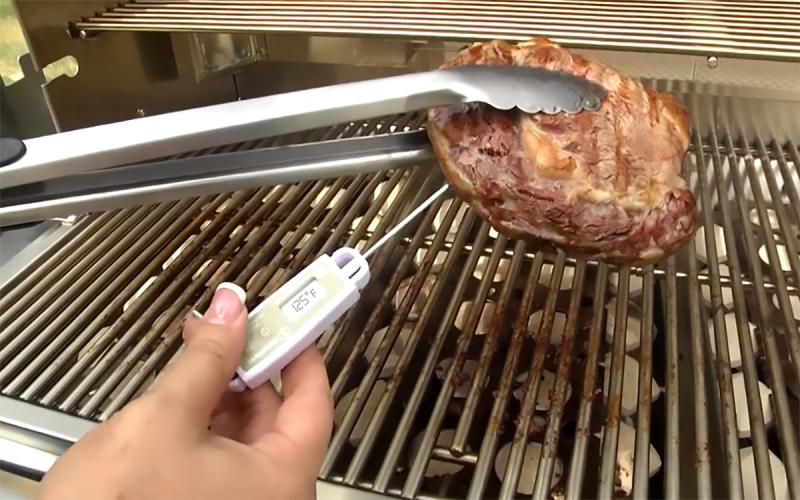
- Cook: Cook foods to the recommended internal temperature and test doneness using a food thermometer. Do not rely on color or texture, as they are not reliable indicators for a product being fully cooked.
- Chill: Refrigerate promptly. Perishable foods should be refrigerated within two hours of preparation or serving or within one hour if temperatures are above 90°F.
- The “Danger Zone” (which ranges from 40°F and 140°F) is the temperature range where bacteria multiple rapidly. This is why it is important to keep cold food cold and hot food hot.
Food safety starts with everyday habits. Taking a few simple precautions when preparing, cooking, and storing food can greatly reduce the risk of foodborne illness and help keep everyone safe.
Sources
- Foodborne Illness and Disease, U.S. Department of Agriculture.
- Preventing Food Poisoning, U.S. Centers for Disease Control and Prevention.