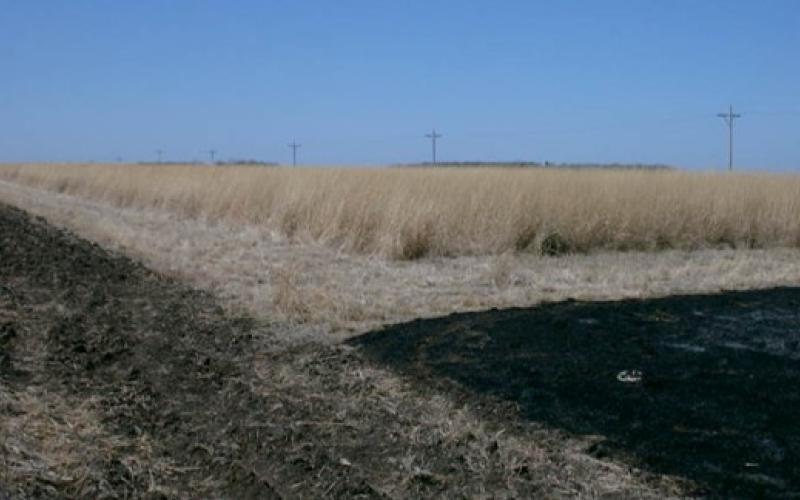
Land judging consists of measuring soil and land properties in the field, interpreting them, and then making intelligent land management decisions based on the measured and interpreted properties.
The ultimate objective in land judging is land classification. Once land is classified, you can make intelligent decisions concerning its use and management.
Land can be examined much as livestock or crops are examined, by looking at size, shape, color, and structure, then feeling texture and firmness. To judge a soil, feel its texture; evaluate depth, slope, and stoniness; calculate past erosion; and interpret its permeability and surface runoff.
Land is judged in the field by inspecting a vertical cross-section of soil (profile) in its natural state. Soils are three-dimensional bodies containing nearly horizontal layers of various materials called horizons.
Through practice and field work such as in land judging schools, you can learn to observe, measure, and feel the soil properties, interpret these factors, classify a soil, and determine proper soil management.