The purpose of this study was to investigate the feasibility of growing winter camelina as a cover crop after soybean in corn-soybean rotation and to measure the biomass production from camelina and its effects on corn yield and soil health. Findings suggest that it may take many years or much greater biomass production from the camelina cover crop to improve soil health. Research in this area will continue.
Effect of Camelina Cover Crop on Soil Health and Corn Yield
Related Content

Dec
08
Managing Soil: Maximizing Profit Meeting & Southeast Research Farm Annual Business Meeting
The Managing Soil: Maximizing Profit Meeting will be held on December 8 from 9:15 a.m. to 3:00 p.m. at the Swan Lake Christian Camp (45474 288th St., Viborg, SD 57070). The Southeast Research Farm Annual Business Meeting will also occur from 12:45 to 1:00 p.m.
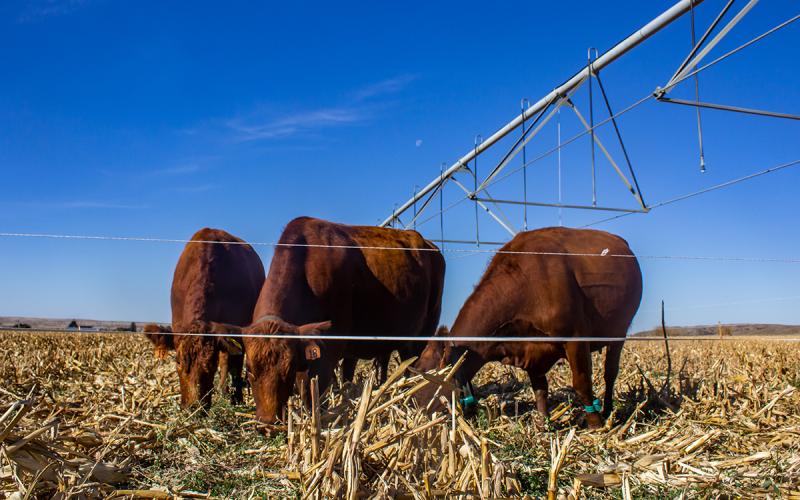
Grazing Corn Residue: Connecting Crops, Cattle, and Soil
As corn harvest wraps up, remember that the value of the crop doesn’t have to end when the grain leaves the field. With intentional grazing management, the post-harvest residue can become part of another production cycle that connects crops, cattle, economics, and soil.

Cover Crop Economics: Costs, Benefits, and Cost‑Share Programs
Cover crops are gaining attention across South Dakota as more producers look for ways to improve soil health, manage risk, and strengthen long-term productivity. Research consistently shows that cover crops improve soil structure, increase water holding capacity, reduce erosion, and help buffer crop losses during drought or extreme weather.