Fall is a critical window for grazing decisions on Northern Great Plains native rangelands. As the growing season slows and forage quality declines, producers face choices about timing, duration, and intensity of grazing that will ripple through winter dormancy and shape spring recovery. Getting fall grazing right on native grassland by balancing livestock production with the needs of dormant perennial grasses and forbs allows you to set yourself up for better range condition, improved spring productivity, and rangeland that builds resilience year after year. Get it wrong, and you can undo years of management work and compromise the soil health and plant communities you’ve worked to establish.
Considerations for Fall Grazing: Strategies to Maximize Productivity and Rangeland Health
Related Content

SDSU Extension co-hosts successful 9th annual Rosebud Range Workshop
August 07, 2026
The ninth annual Rosebud Range Workshop was held on July 15, 2026, at the Rosebud Sioux Tribal Ranch, and event organizers lauded it as a successful and productive event.
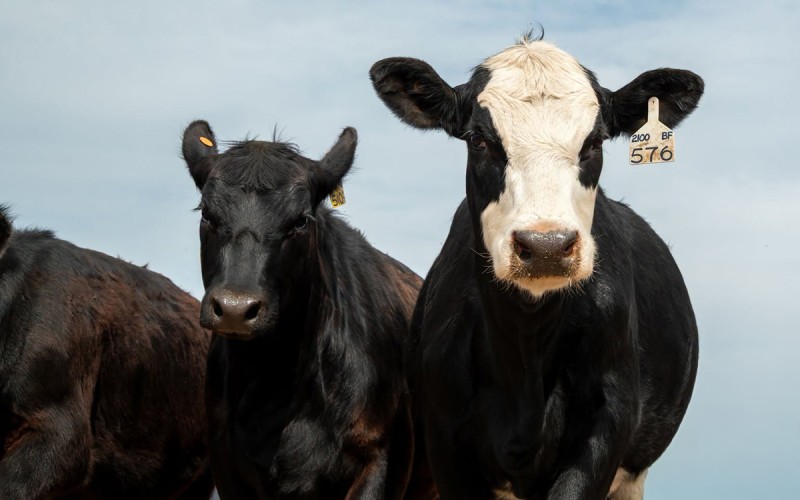
Forage-Based Heifer Development Systems
Forage-based heifer development systems offer producers a practical opportunity to reduce input costs while maintaining acceptable reproductive performance. By effectively utilizing available forage resources, heifers can be developed efficiently with reduced reliance on harvested feeds.
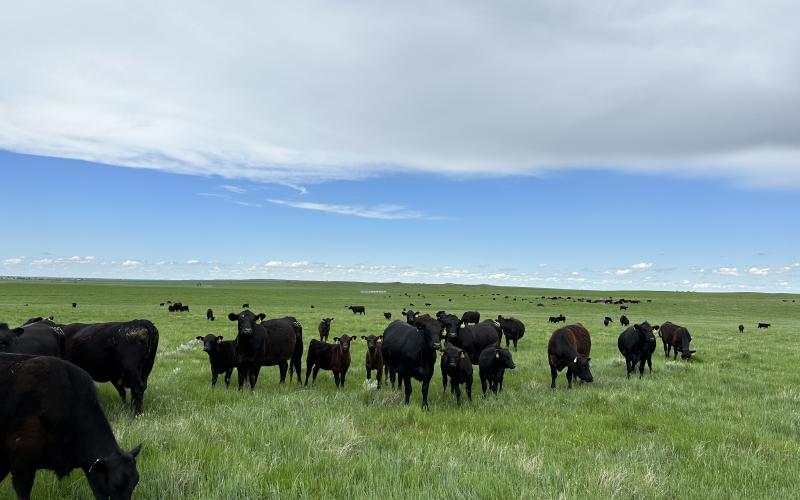
Designing a Grazing Plan That Guides Decisions
A factsheet to help you build an effective grazing plan.