Plants or Crops
All Plants or Crops Content
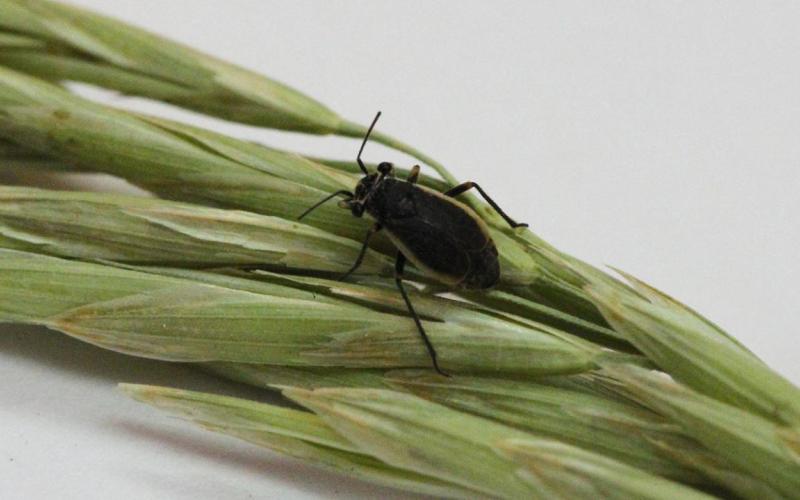
Black Grass Bug Activity Ramping Up
Black grass bugs feed on fresh green growth, which can result in stunted plants and decreased forage quality. Monitoring and potential management of black grass bugs will be of increased importance this spring, especially if drought persists.
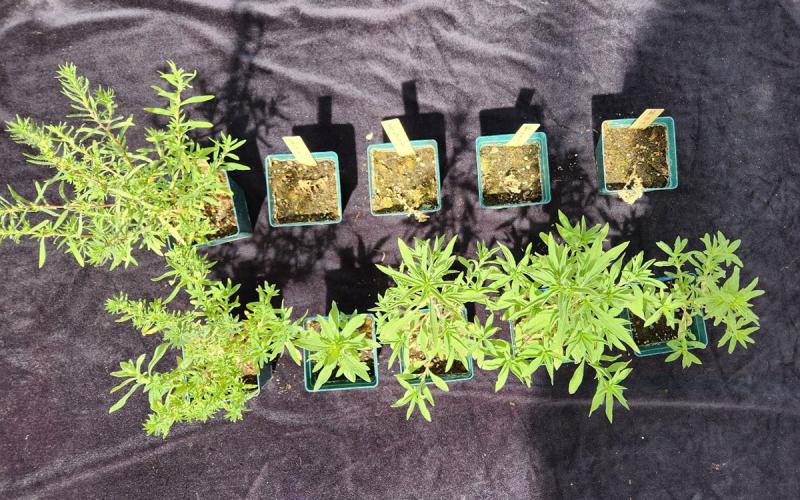
Saflufenacil-Resistant Kochia Confirmed in South Dakota
Saflufenacil is an herbicide that can be applied at a burndown timing before most South Dakota crops to effectively manage kochia. However, overreliance on saflufenacil has selected for resistant kochia in our region.
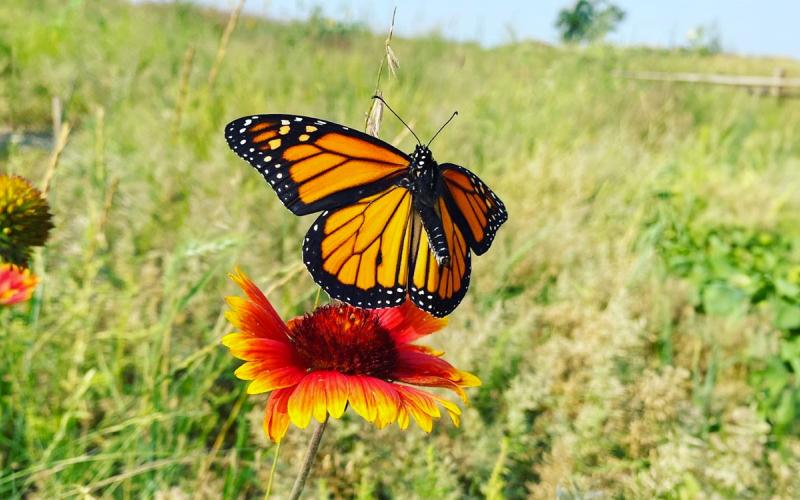
SDSU Extension to host Backyard Natural Resources series
May 01, 2025
South Dakota State University is pleased to announce the second year of its virtual Backyard Natural Resources series on May 6, 8, 13 and 15, 2025.
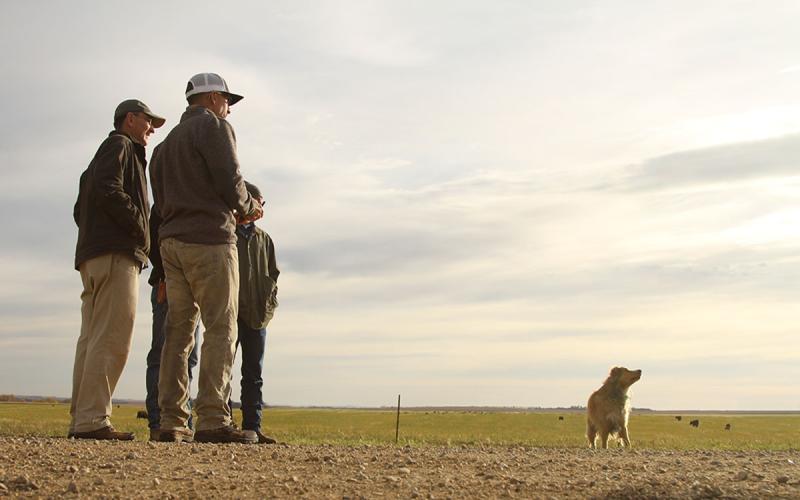
Spring Planting and Grazing Adjustments During Drought
Dry springs mean management changes for both farmers and ranchers as they plan for summer. Learn some important considerations for planting and grazing during a dry spring.

South Dakota Vegetable Grower Experiences with Soil Tarping and Solarization during the 2024 Field Season
Research report on South Dakota vegetable grower experiences with soil tarping and solarization during the 2024 season
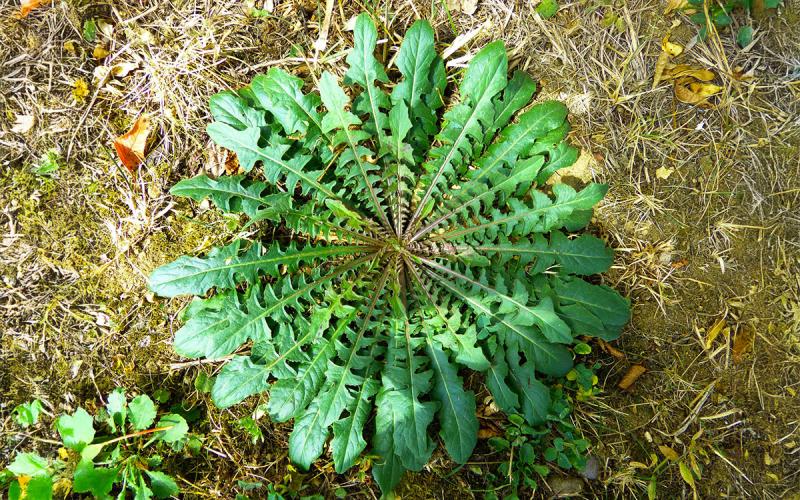
Spring Dandelion Control
If dandelions are present on your property this spring, an herbicide application may be worthwhile, because it can kill above-ground growth, meaning a reduced likelihood for seed production that will worsen problem.
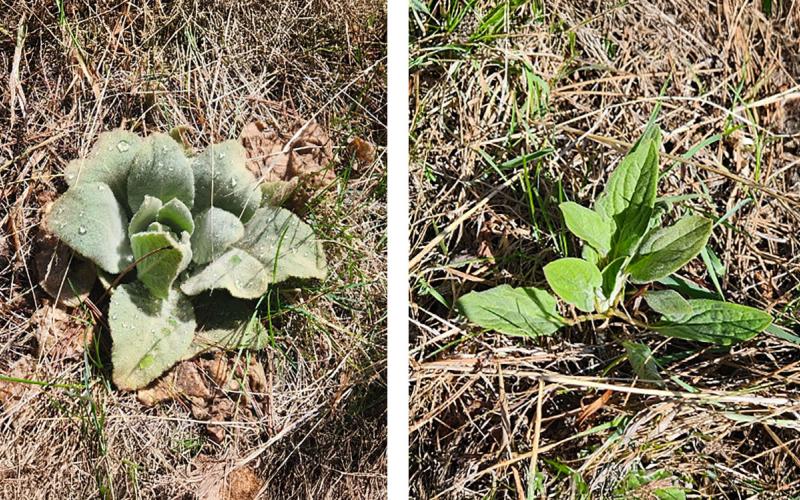
Common Mullein and Houndstongue Have Germinated in the Black Hills and Surrounding Areas West River
Two biennial species, common mullein and houndstongue, have germinated and begun to grow in the Black Hills. Now is the time to scout and determine where areas need attention to manage these species and other weeds.

Broccolini Performance in Three Established Clover Living Mulches in Eastern South Dakota: Year Two Results
Research report determining the impact of three established clover species on weed suppression, crop growth, and broccolini yield in year two.
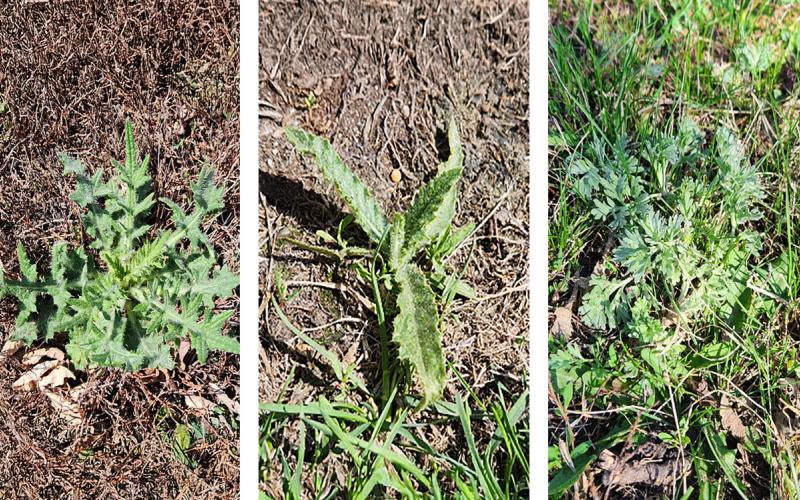
Noxious Weeds Have Germinated in East River South Dakota
Seasonal conditions have been favorable for weed germination, including biennial thistle, Canada thistle, and absinth wormwood. Learn some tips for scouting, identifying, and managing these noxious weeds before they become a problem.

Early Season Soil Solarization and Occultation Impacts on Weed Pressure and Onion Yield in Eastern South Dakota: Year 2 (2024) Results
Research report on whether soil tarping can reduce weed pressure in onion yields for the second year