Weeds & Invasive Plants
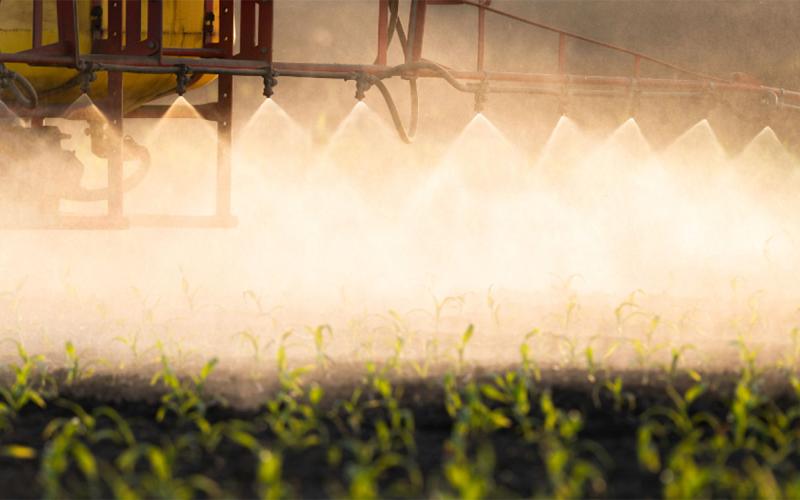
Considerations of Corn Postemergence Herbicides
Managing weeds after emergence is important to protect the yield potential of corn crops. Learn some important application considerations before selecting a postemergence herbicide.
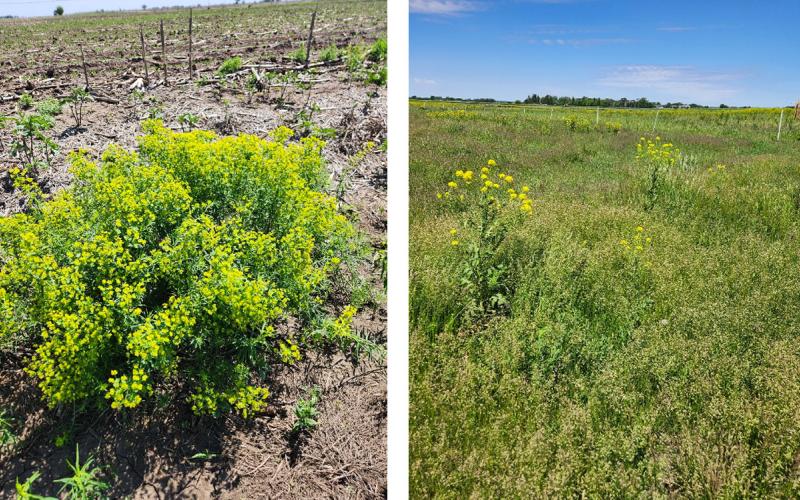
Leafy Spurge or an Imposter?
Leafy spurge is a statewide noxious weed that can be difficult to manage. However, are the recent yellow flowers appearing throughout South Dakota landscapes leafy spurge or another species?

Critical Period of Weed Control: A good, but not perfect guideline
The critical period of weed control is the period during a crop lifecycle when weeds need to be managed to avoid a significant yield loss.
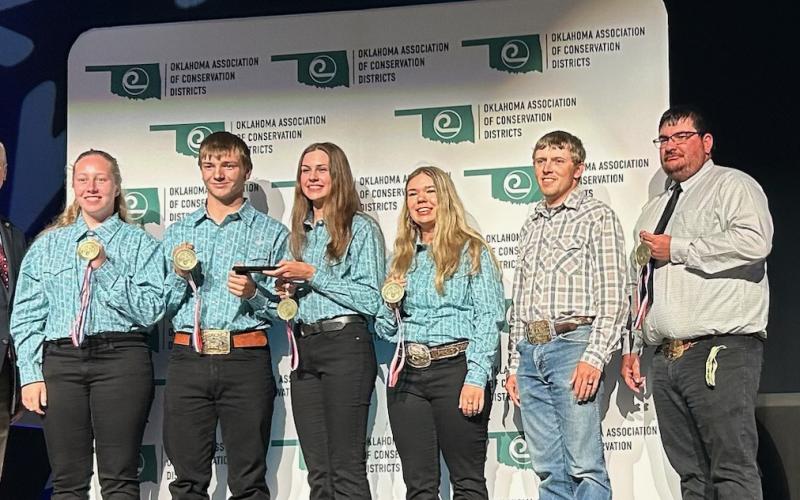
SD 4-H team wins national land and range judging contest
May 29, 2024
The Haakon/Bennett County 4-H range judging team won first place at the 2024 National Land and Range Judging Contest held from April 30 to May 2, 2024, in El Reno, Oklahoma. Team members include Bennett County’s Emily Zickrick and Haakon County’s Colden Kramer, Ashley Schriever and Tara Schofield.
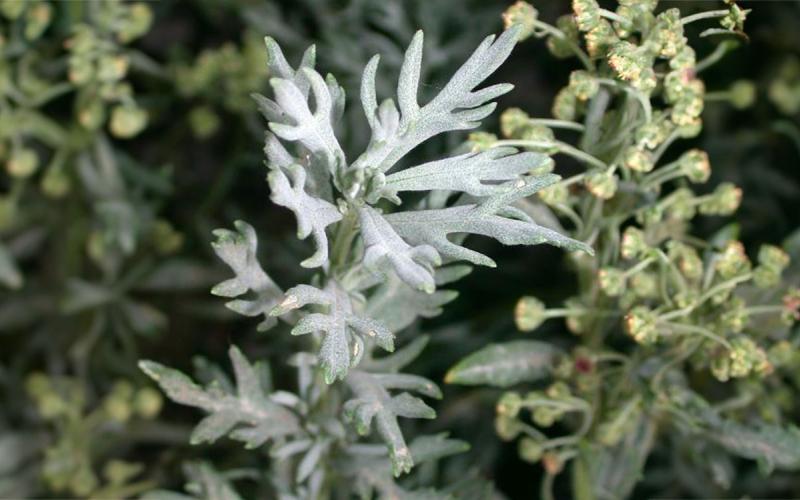
Absinth Wormwood Control in the Spring
Absinth wormwood is a difficult-to-control, noxious weed that can produce great amounts of seed (50,000 seeds per-stem) and spreads only by seed, illustrating the importance of management prior to seed production.
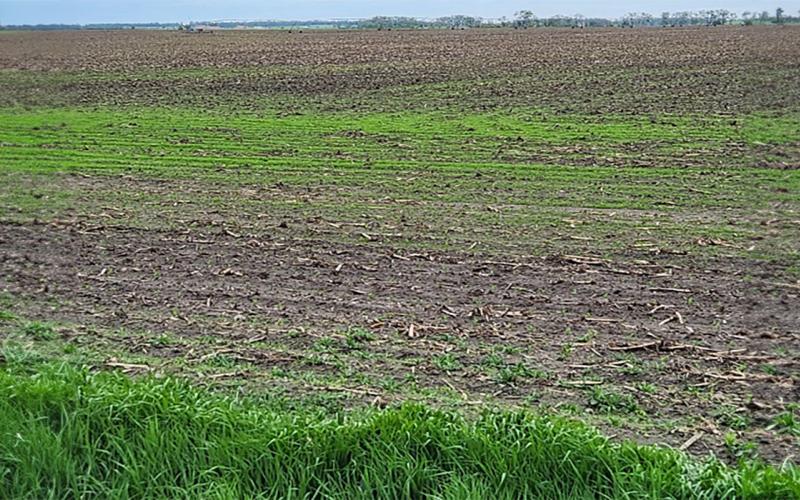
Weeds Are Starting to Emerge: Even After a Preemergence Herbicide Application
During recent scouting, weeds were noticed in plots treated with preemergence herbicides. Learn some troubleshooting considerations to help determine why some weeds emerge following preemergence treatments.
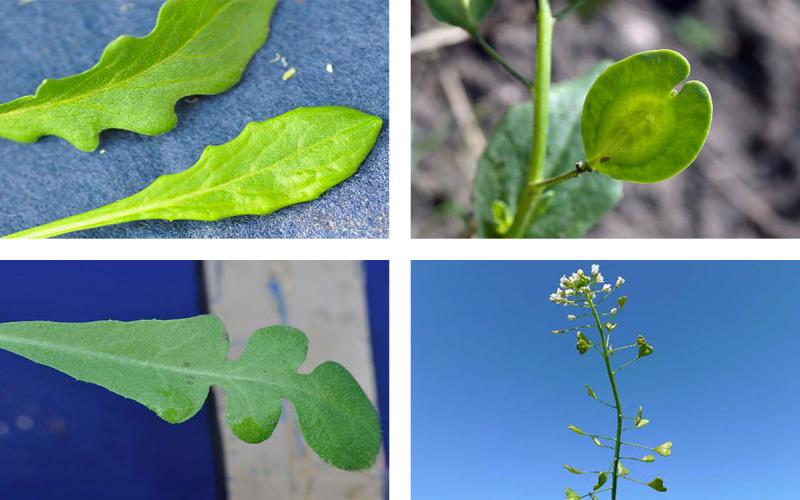
Early Season Prevalence of Field Pennycress and Shepherd’s Purse
Many fields that are planted to winter wheat or have yet to be tilled may have a healthy infestation of field pennycress or shepherd’s purse. Learn some expert tips for identifying and managing these weeds before they become a problem this growing season.
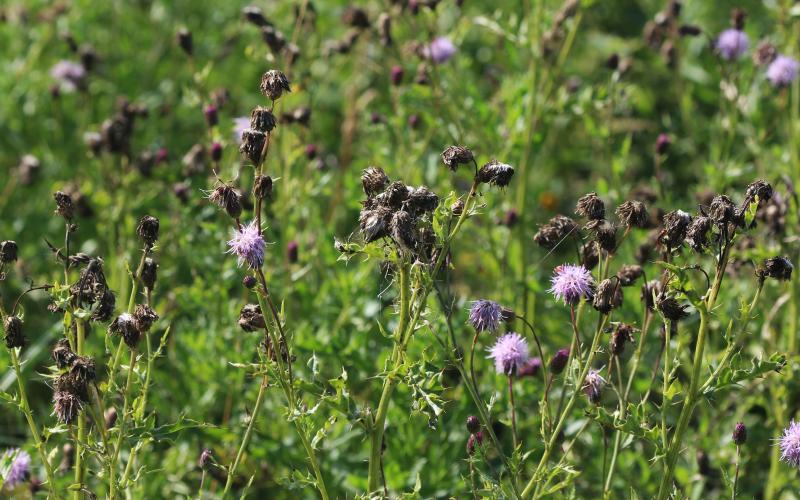
Current State of Noxious Weed Management in South Dakota
Results of an online survey to determine how South Dakota stakeholders are currently managing noxious weeds.
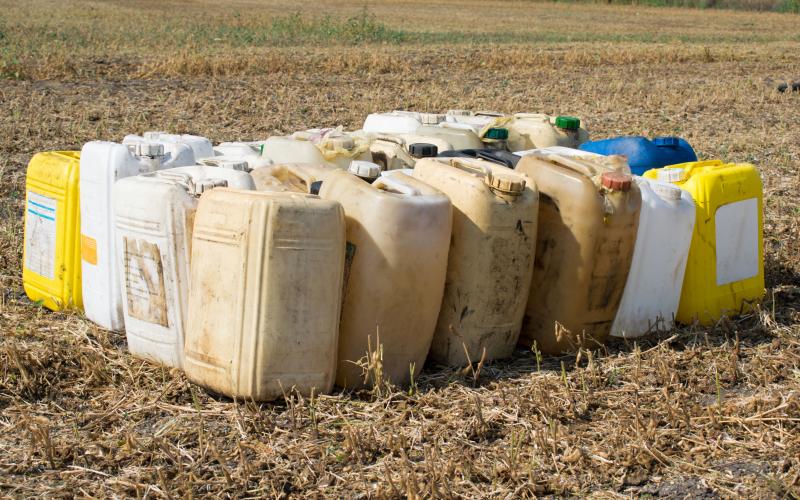
Herbicide Group Classification
The intent of providing herbicide group numbers and mode/site-of-action information on labels is to help develop herbicide plans that reduce the selection pressure on herbicide-resistant weeds. Learn how understanding this information can help improve your plans.
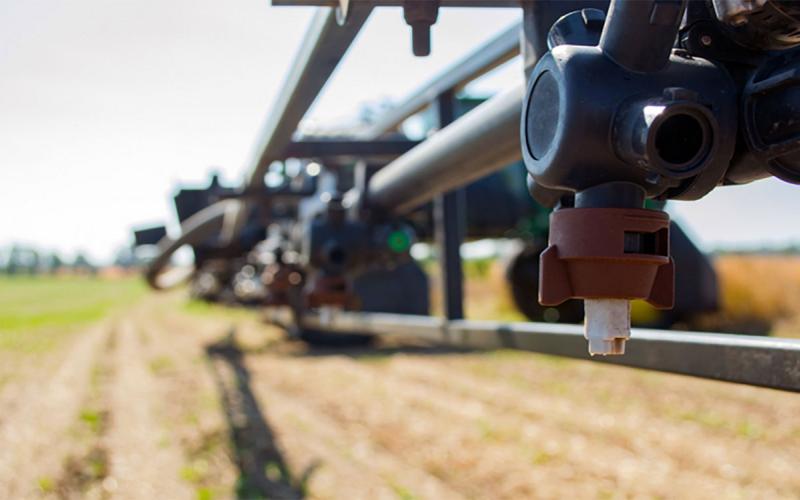
Factors Influencing Spray Coverage
Learn about the different factors that influence spray coverage and how you can tailor your practices to ensure that proper coverage is achieved.