Insect & Pests
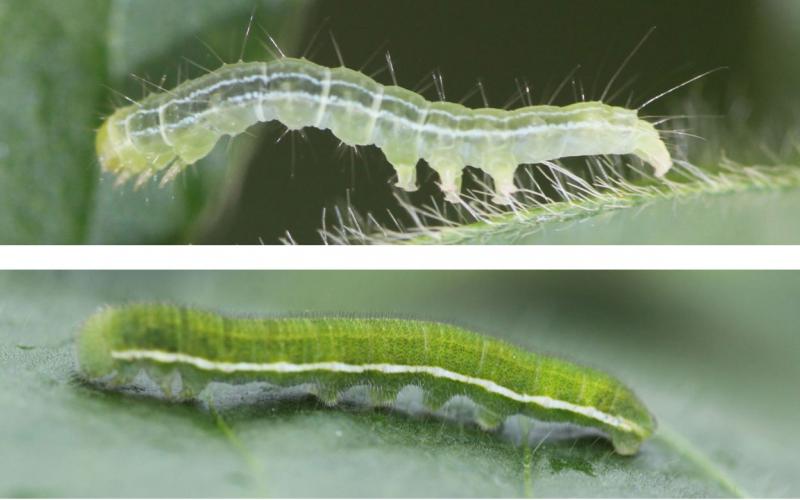
Soybean Defoliators Are Active
It’s that time of the season when numerous defoliating insects can be observed in a single soybean field. Most of the defoliators at this time are green cloverworms and alfalfa caterpillars.
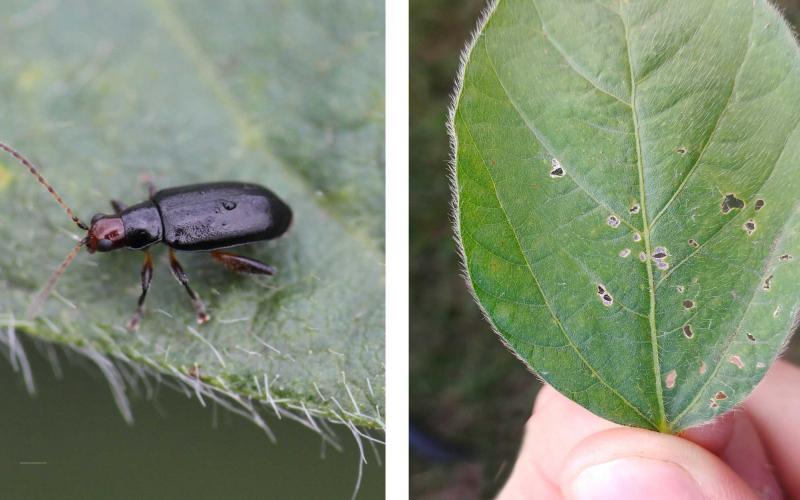
Monitor Soybean for Redheaded Flea Beetle Feeding
An additional soybean defoliator to monitor this week is the redheaded flea beetle. Although these beetles are typically not a serious soybean pest, large populations can result in considerable defoliation.
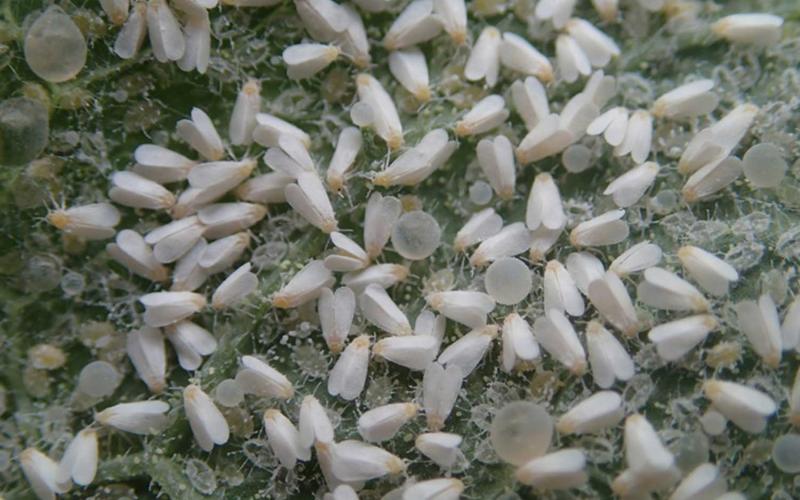
What Are These Small White Insects in My Soybean Field?
During the last two weeks we have received reports of increasing numbers of small white insects present on soybean. The insects in question are whiteflies.
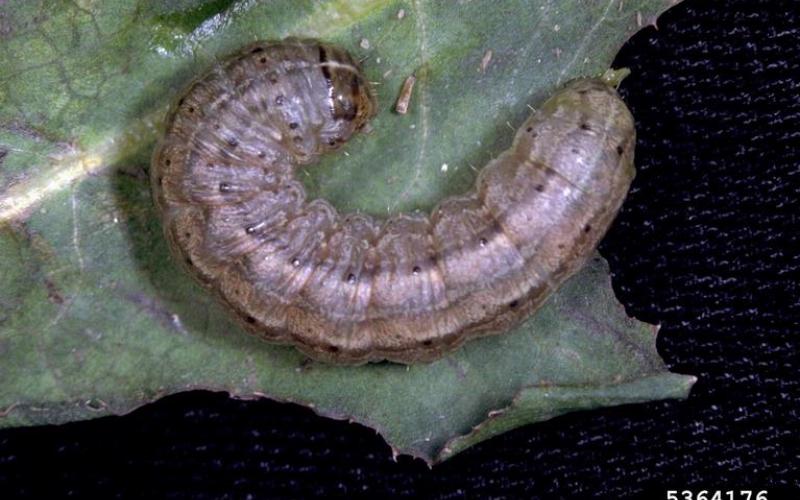
Monitor Alfalfa for Cutworm Activity
During the spring, there are a lot of insects to scout for in alfalfa. One pest group that should be focused on right now are cutworms. There are a couple of cutworm species that are active earlier in the season than others.
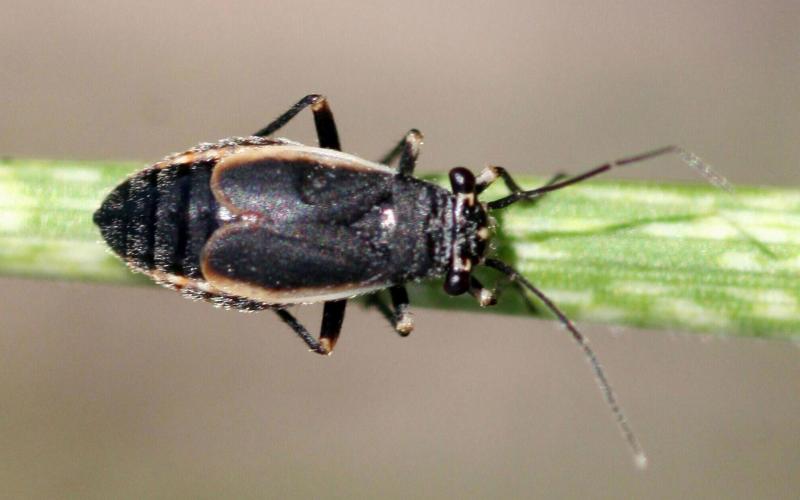
Be on the Lookout for Black Grass Bugs
It’s time to begin scouting pasture and wheat for the presence of black grass bugs. Last year, we saw the highest populations in areas of Central and Southwestern South Dakota. If left untreated, black grass bug populations tend to increase year after year.
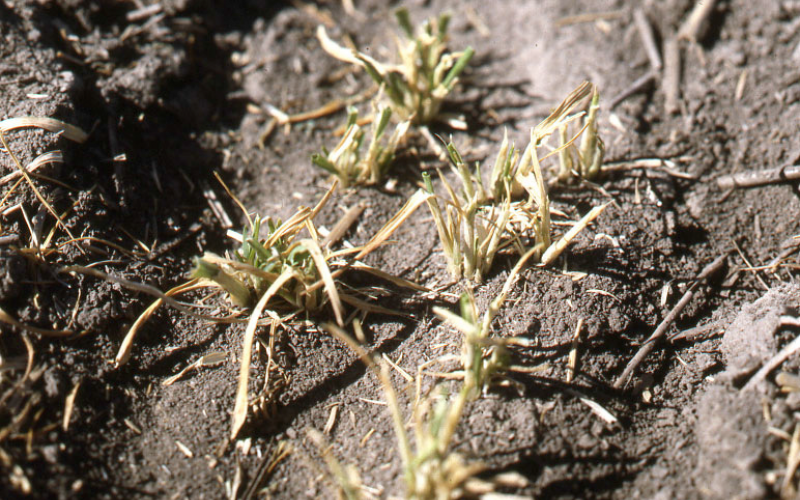
Time to Start Scouting for Cutworms in Winter Wheat
Eventually, South Dakota will warm up. The warmer temperatures will increase insect activity, including pests. For wheat, a couple of early season pests that may already be active are the army cutworm and the pale western cutworm.
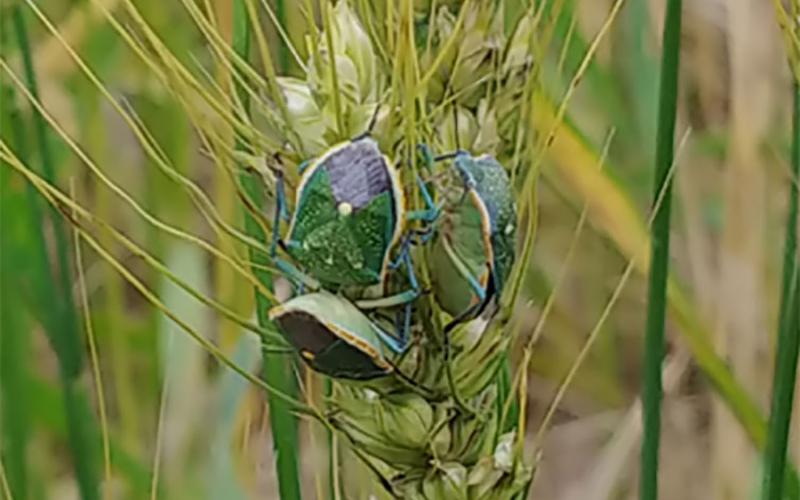
Say’s Stinkbug Present in Western S.D. Wheat: Do I Spray?
While looking at winter wheat at the new SDSU West River Research Farm near Sturgis, we came across some very large stinkbug populations in a few areas of the field. The stinkbugs we observed were the Say’s stinkbugs. Although stinkbugs have the potential to reduce wheat yields, this is attributed with feeding that occurs between the late boot and milk stage.
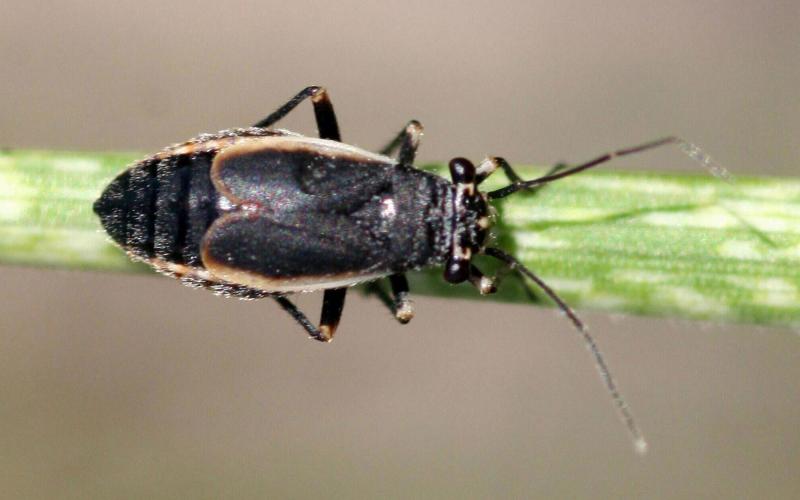
Black Grass Bug Activity Expected in Coming Weeks
Spring green-up is the time to be watching for black grass bug activity. Large populations of this early-season pest can cause severe damage to pasture (up to 90% forage reduction) and infest the edges of wheat fields.
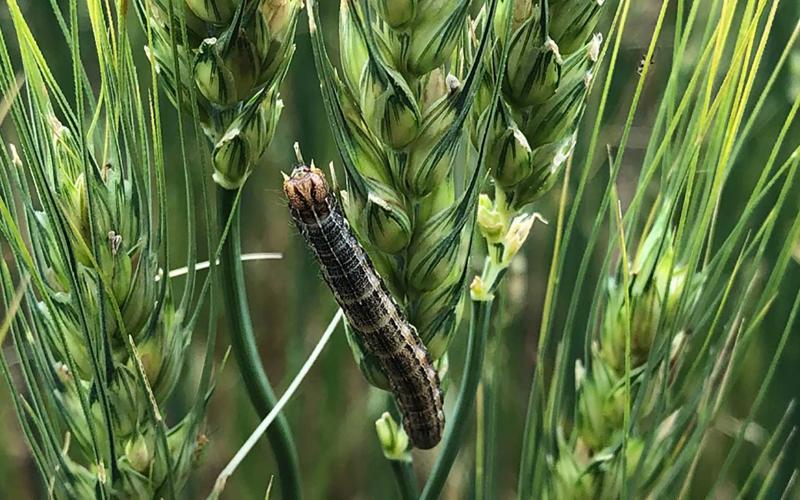
Scout for True Armyworms in Oats and Wheat
During most years, we start worrying about true armyworm activity in wheat fields in mid-July. However, the strong southerly winds that we experienced during the last two weeks pushed several insect pests north ahead of their normal schedule
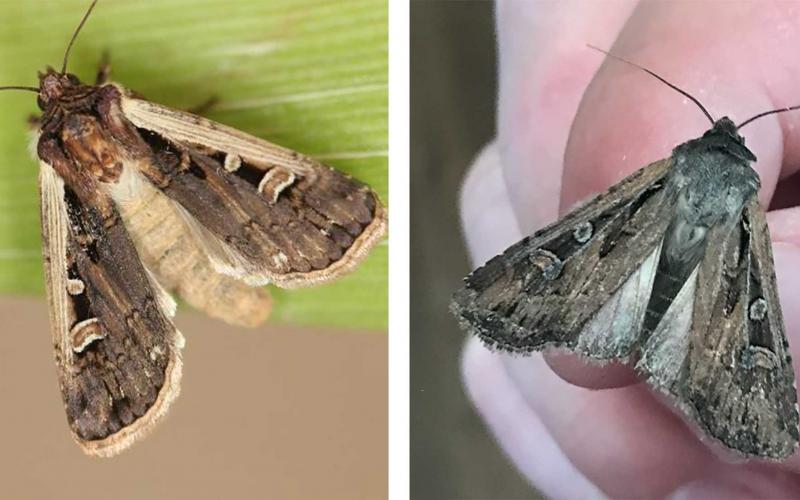
Army Cutworm Moths Among the Recently Reported Western Bean Cutworm Moths
Last week, we published an article about the presence of western bean cutworm moths being very abundant throughout Central and Western South Dakota. However, when talking with an entomologist from a neighboring state, they suggested the moths could also be army cutworm moths.