Garden
All Garden Content
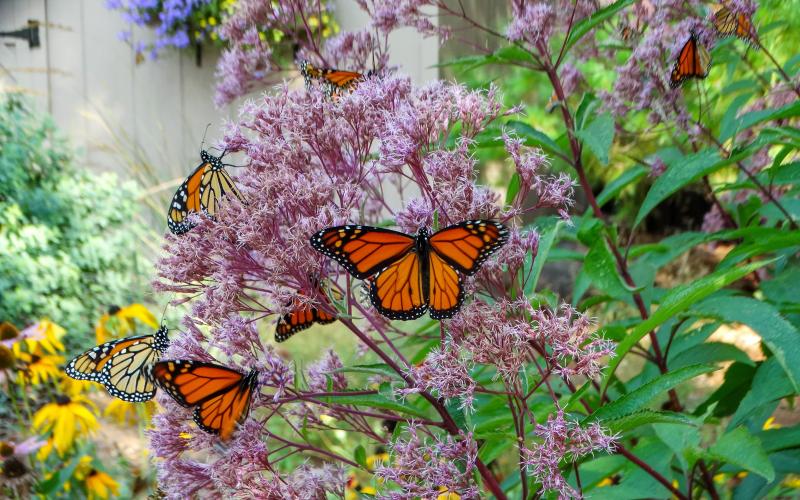
An identification guide to Native Pollinator Plants of South Dakota for Managed Landscapes
A guide of Native Pollinator Plants in South Dakota.
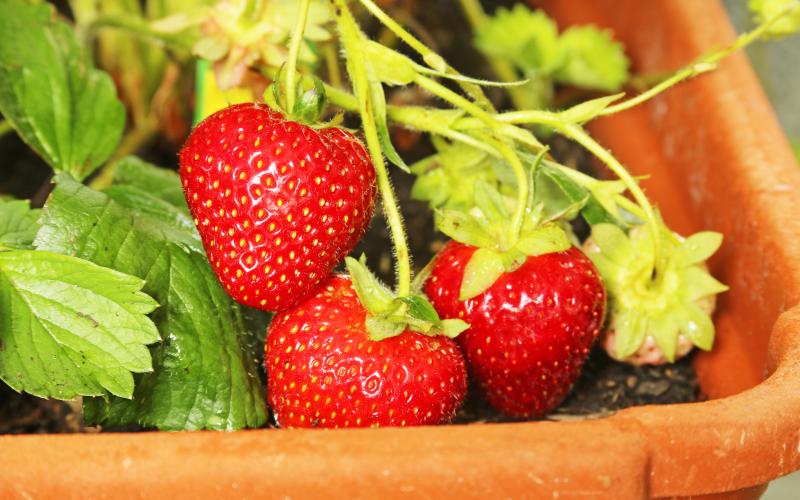
Strawberries in South Dakota
Learn how to grow junebearing or everbearing strawberries in home gardens.
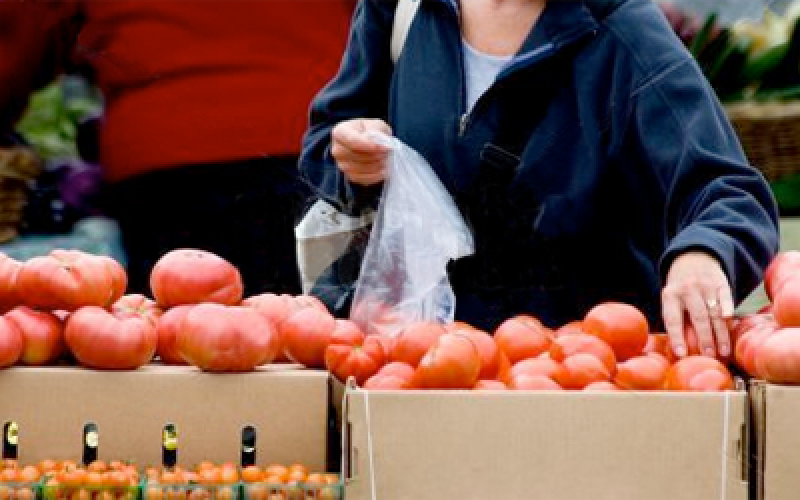
Growing Tomatoes in South Dakota
Few vegetables inspire us more than home-grown tomatoes, bursting with vine-ripe flavor. Tomatoes are easy to grow in containers or in the ground, and are excellent sources of vitamins A and C, as well as cancer-fighting lycopenes.
Blossom End Rot on Tomatoes and Other Vegetables
Publication about the symptoms, causes and management of blossom end rot on tomatoes and other vegetables.

Growing Asparagus
Publication about growing asparagus.
Managing Salts in the Home Garden
Fact sheet about managing salts in your home garden.
Salt/Salinity Tolerance of Common Horticulture Crops in South Dakota
Fact sheet about salt/salinity tolerance of common horticulture crops.
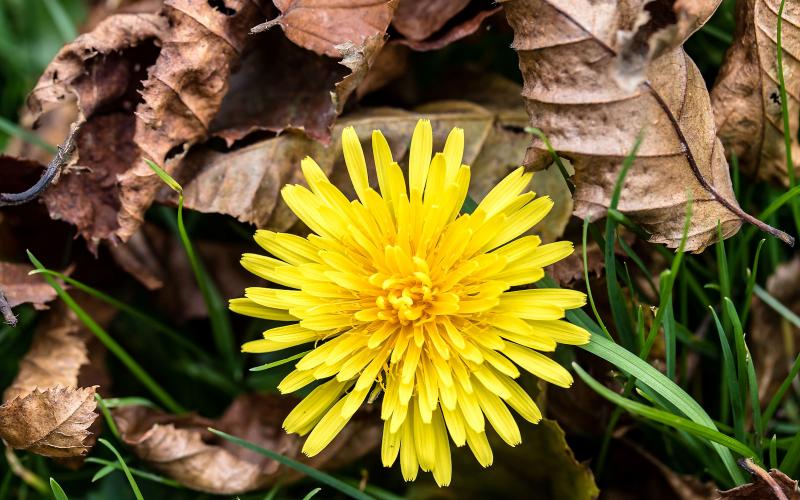
Fall Lawn Weed Control
Fall is the time to control tough perennial broadleaf lawn weeds. The target weeds in the fall are dandelion, ground ivy, creeping bell flower, field bindweed and white clover.
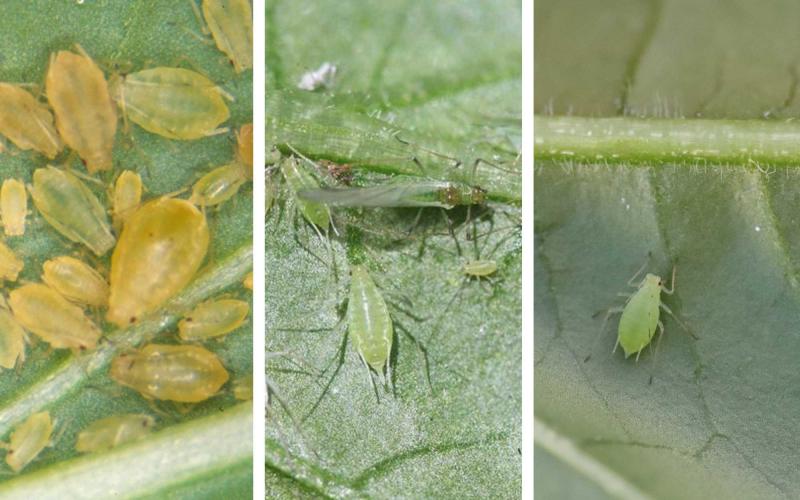
Are Your Pepper Plants Covered With Aphids?
During this time of the growing season, it is common to observe aphids on garden plants, including peppers. However, when dense aphid populations are present, they can reduce pepper yields and cause rapid plant health decline.
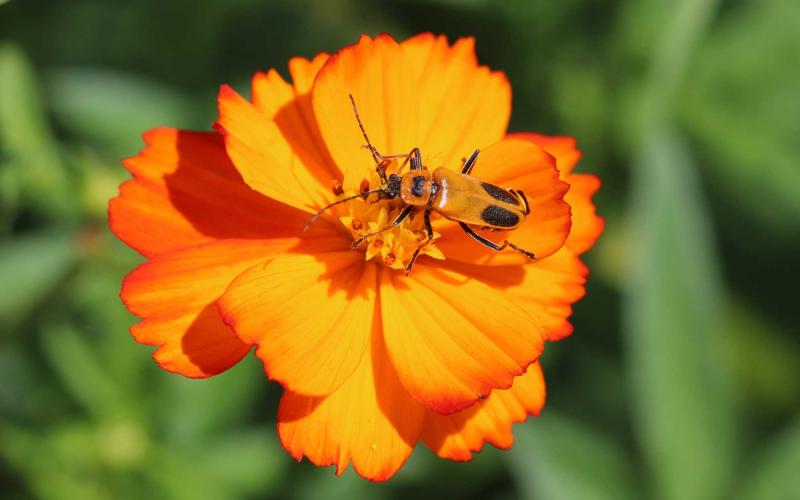
Orange Beetles Are Killing My Flowers, or Are They?
Many gardens are being invaded by orange beetles that have a strong preference for flowering plants. Rest assured, these are soldier beetles and they aren’t feeding on the flowers! Instead, they are actually predators and pollinators.