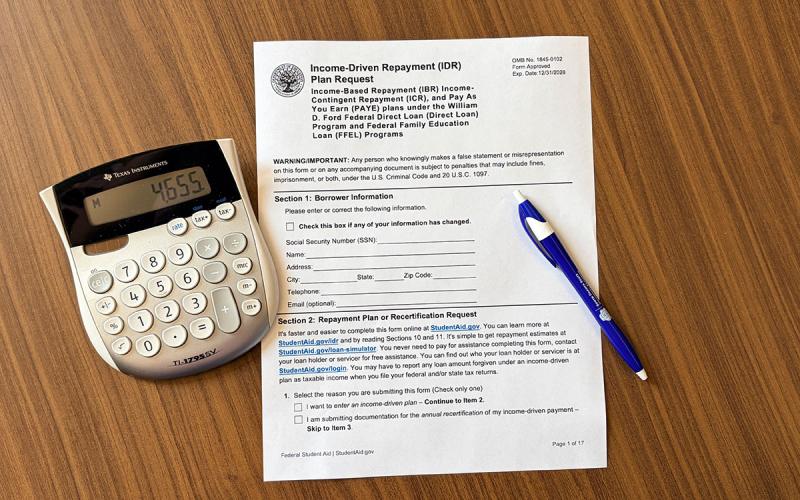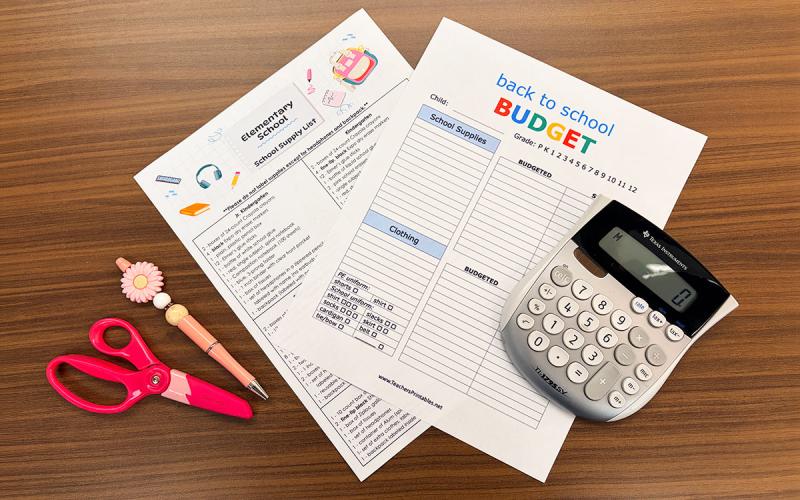
(Credit: SDSU Extension)
As the summer winds down, we begin to think about the start of the school year. Getting ready for school and activities can be a strain on the family budget. Before the first day of school, review these budgeting tips to ease into the school year.
Budgeting Tips
- Create a spending plan.
Know what your monthly income and expenses are. If you do not regularly write out your budget, look at last month’s income and expenses. Calculate the amount of income you receive, including benefits (SNAP) as well as earned income. Categorize your expenses so you know how much you have spent on bills and flexible expenses (food, transportation, entertainment, clothing, etc.). Review the budget information. Does income equal expenses? Is there money left over? - Review last year’s expenses.
Make a list of school supplies, clothes, shoes, and activity registration fees that will need to be purchased or paid for. Review what you spent last year. This will give you a starting point for determining how much you will need to budget. Look at your spending plan. Do you need to spend less on flexible expenses next month? Having a plan will help you make confident decisions about spending. - Set a spending limit.
Set an amount that you can spend on each child. Make a list of exactly what you need so you can resist the temptation of buying the extras that you see in the store. - Reuse what you have.
Once you have the list of supplies and clothes that are needed for the start of the school year, go through the items you currently have. Decide what can be reused this year and does not have to be replaced. - Look for deals.
When you start shopping, pay attention to the deals. If the items must be replaced throughout the year, consider buying in bulk. Plan to buy items as needed throughout the year for clothing items. Children grow, and retailers regularly have sales. Also, consider shopping at second-hand stores to get lower prices. Spread out your purchases by getting what you need now and waiting for sales or better deals later.
Having a budget for expenses can help ease the stress of deciding what to buy and how much to spend at the start of a school year.