Sheep Health
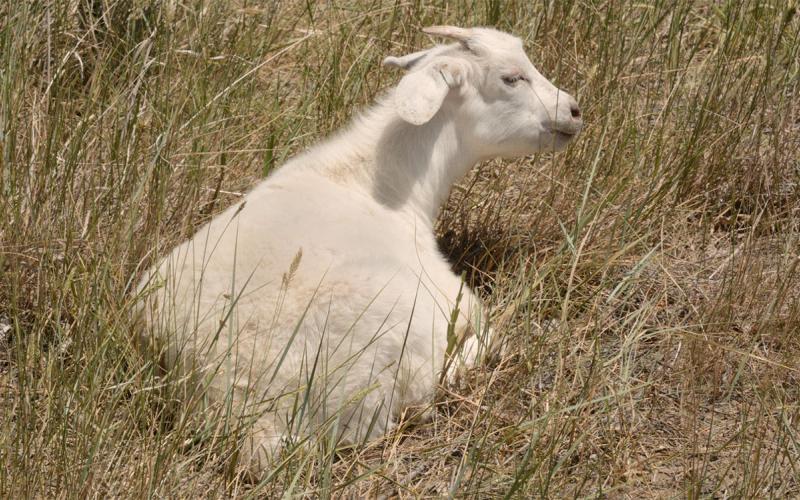
Heat Stress in Small Ruminants
The Upper Midwest provides periods of extreme heat during summer and shorter periods of heat stress potential during spring and fall. Are your sheep and goats cool enough in their environment?
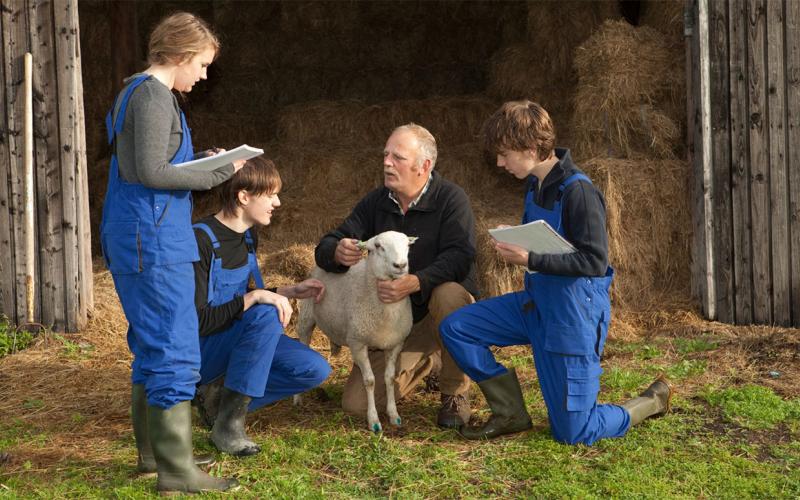
Are Your Dewormers Effective For Your Sheep or Goat?
Using an effective dewormer properly can be part of a strategy in preventing internal parasites in sheep and goats. So how do you know if your dewormer is effective, and what does it mean to use it properly?
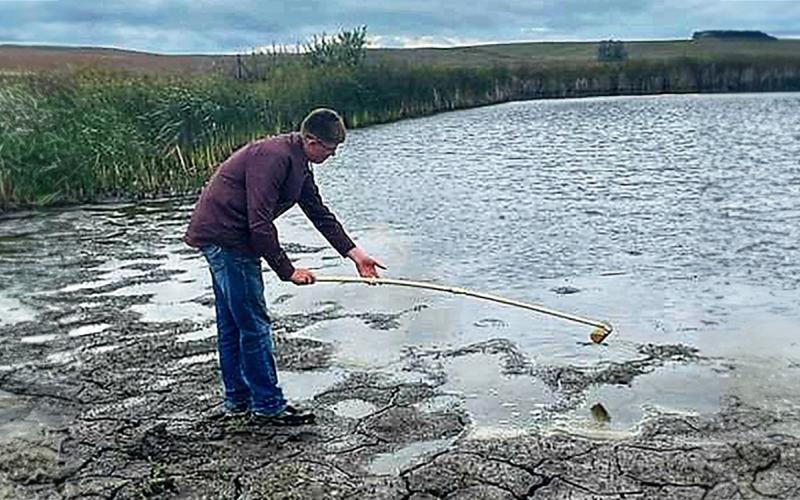
Performing a Field Test for Livestock Water Quality
Learn how to use some simple, readily available tools that can help analyze the quality of your livestock water sources right in the field.
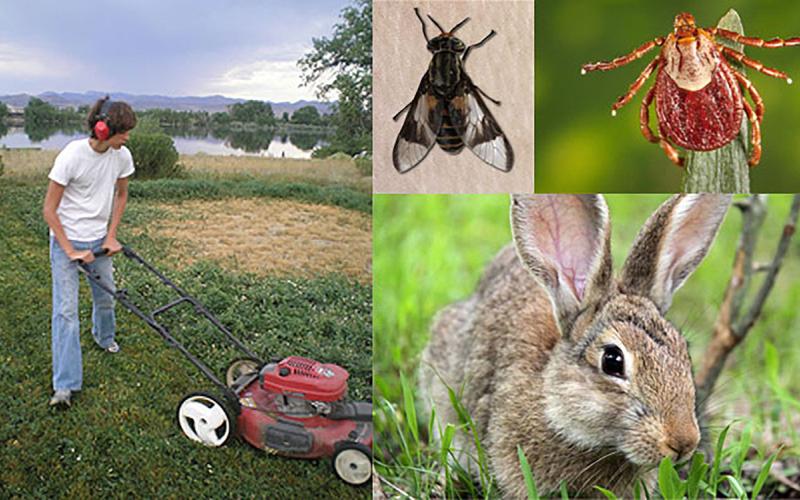
Tularemia in Animals in South Dakota
Tularemia is a relatively rare, but serious, disease that has potential to cause disease in people through their contact with infected animals or insect vectors. Learn how it's transmitted, diagnosed and treated.
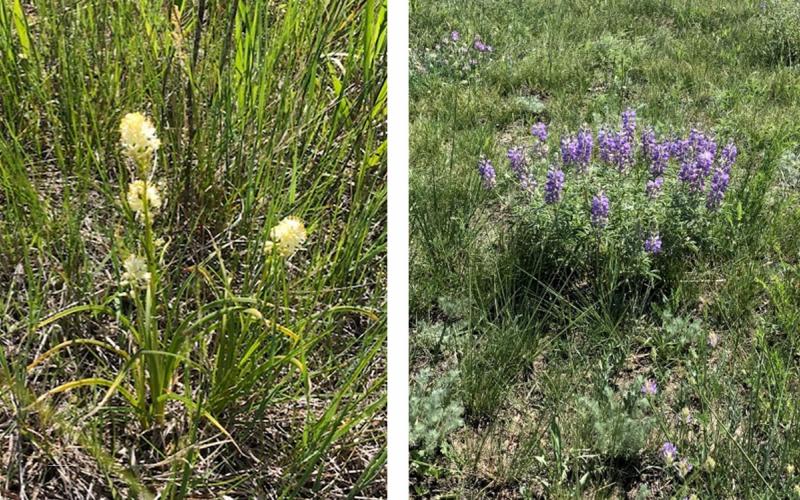
Poisonous Plants on Rangelands: Deathcamas and Lupine
With prolonged drought conditions throughout many areas of South Dakota, there is an increase of invasive weeds and poisonous plants on rangelands. Identification of poisonous plants is crucial to ensure livestock production is not compromised.
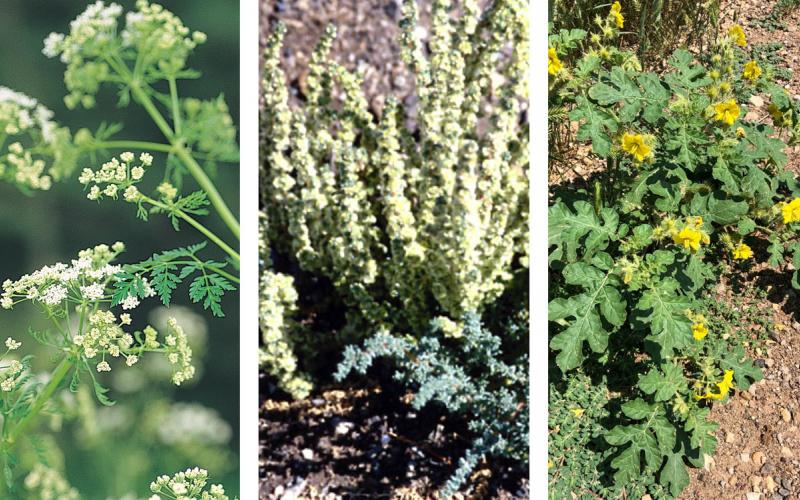
Poisonous Plants on Rangelands: Hemlock, Halogeton and Buffalo Bur
Several species of poisonous plants are invasive and can easily establish dense stands when there is a disturbance on rangelands. Hemlocks, halogeton and buffalo bur can all be found throughout South Dakota and are toxic to livestock.
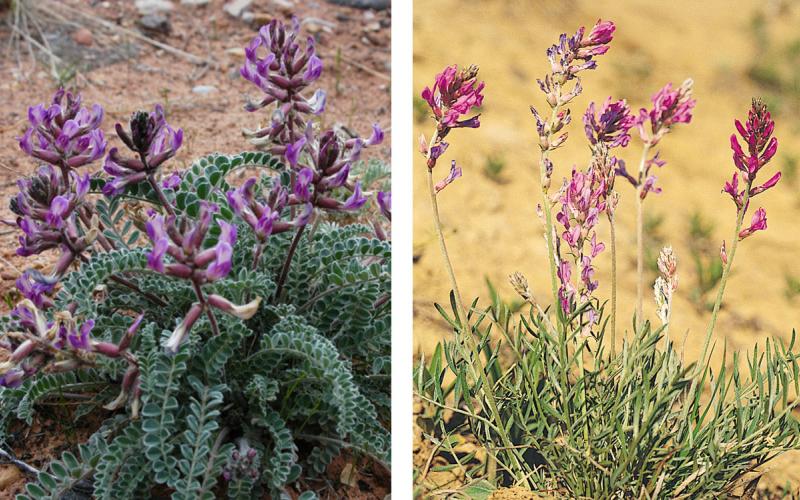
Poisonous Plants on Rangelands: Locoweed and Crazyweed
Locoweed and crazyweed are found throughout South Dakota rangelands, and both can cause livestock poisoning.The names locoweed and crazyweed are often used interchangeably. However, there are notable differences between the species.
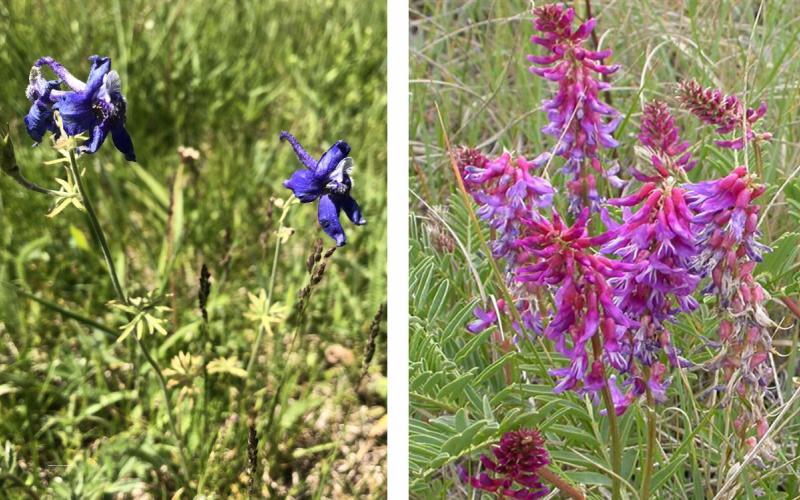
Poisonous Plants on Rangelands: Larkspur and Poisonvetch
Larkspurs are the second leading cause for all livestock deaths from toxic plant poisoning. Poisonvetches are considered accumulator plants that uptake excessive levels of selenium and cause toxicity problems in cattle.
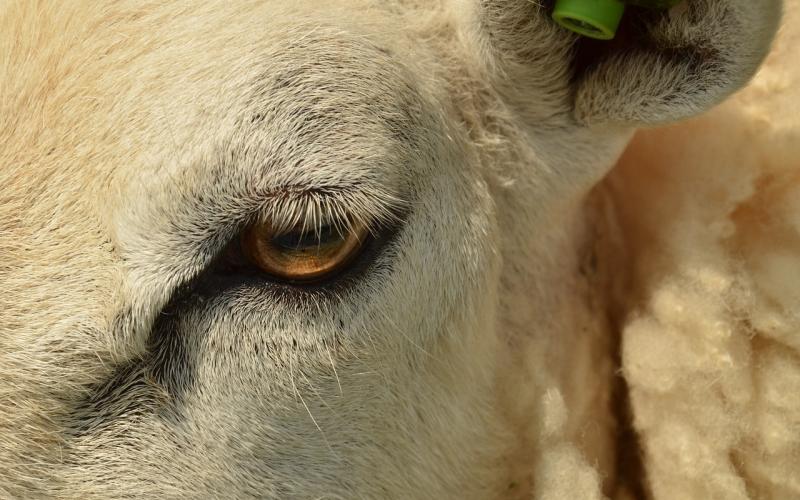
Small Ruminant Abortions: Cleanup and facility considerations
Sheep and goat producers in the upper Midwest rely on annual lamb or kid crops to maintain economic viability. Reduction in the lamb or kid crop due to abortion (premature birth) and stillbirths are a common occurrence on many farms. Some of these problems have implications for human health as well as animal health.
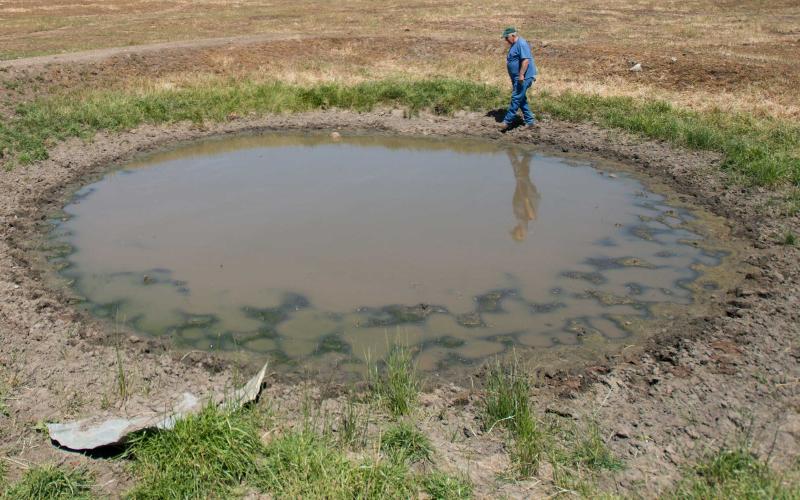
How Do Sulfates in Water Affect Livestock Health?
Poor-quality water will cause an animal to drink less. As a result, they also consume less forage and feed, which leads to weight loss, decreased milk production and lower fertility.