Search
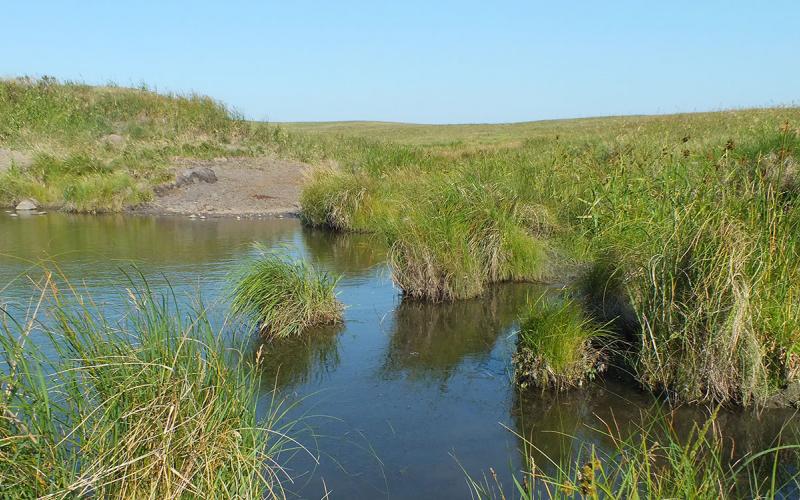
Private Property vs. Public Access: Managing Non-Meandering Waters in South Dakota's Prairie Pothole Region
Fact sheet on managing non-meandering waters in South Dakota's prairie pothole region.

A Strategic Community-Based Survey of Water Resource Management in South Dakota
Understanding how residents value water is critical for effective resource management, and your insights can help us better understand community values and inform future strategies for sustainable water management across the state.
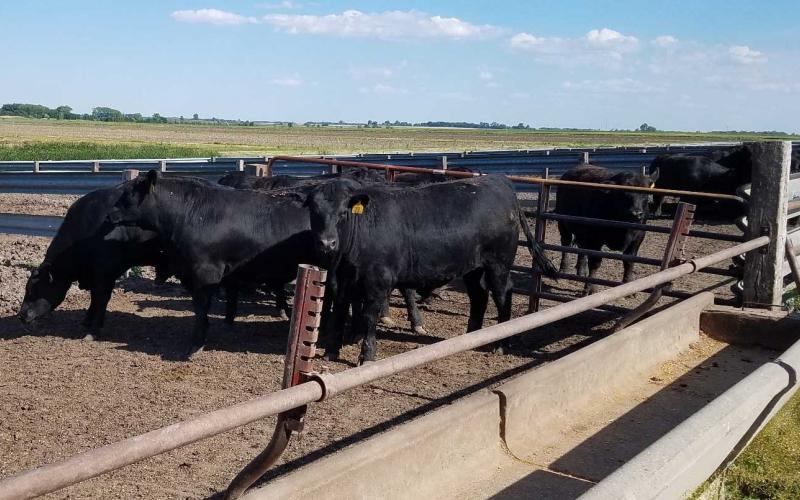
Bigger Cattle. Warmer Weather. What Can Go Wrong?
The disruptions in the beef processing sector caused by COVID-19 continue to interfere with the orderly marketing of finished cattle. While we all hope that the situation is resolved quickly, the reality is that because the shipment of so many harvest-ready cattle has been delayed, there will be increased numbers of heavier cattle on feed for the foreseeable future.
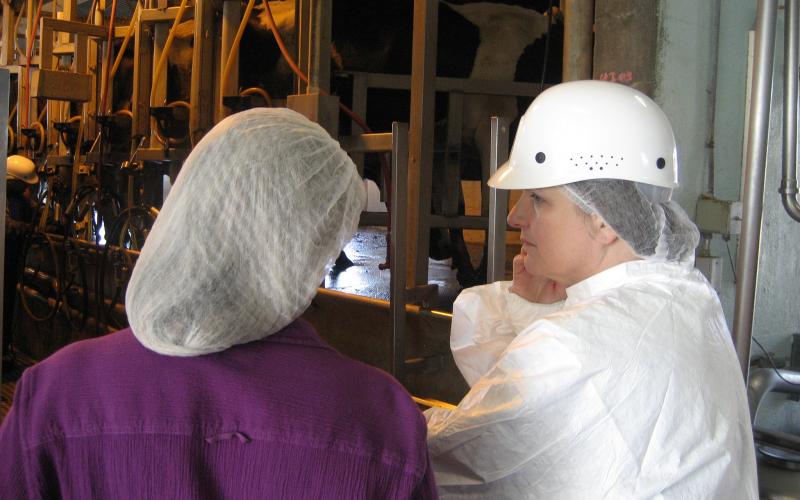
Challenges of Employee Turnover: Product quality and consistency
High employee turnover can lead to inconsistent animal production or potentially lower quality products, both meat and milk. How is this possible? Is it because cattle get accustomed to routines and the people who perform tasks in their home environment?
South Dakota Water and Community Symposium to be Held July 26
July 22, 2022
SDSU Extension will host a one-day South Dakota Water and Community Symposium on Tuesday, July 26 from 9:30 a.m. – 2:30 p.m. CDT at the Raven Precision Agriculture Center on the South Dakota State University campus in Brookings.
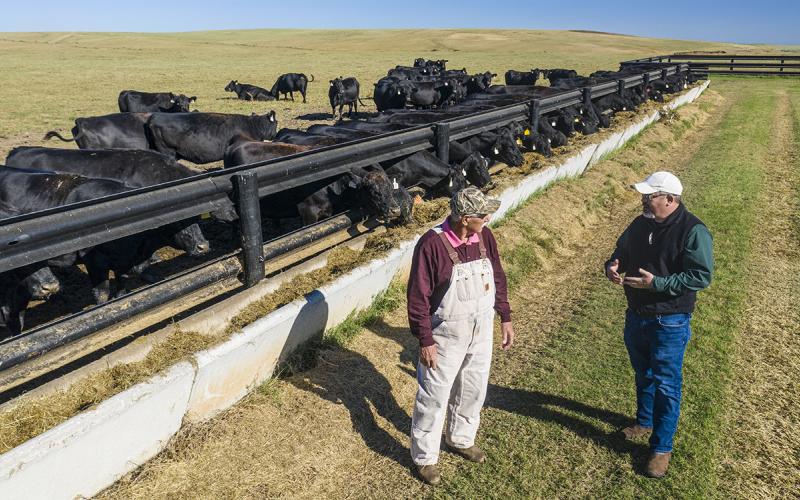
Salt Toxicity: Water Deprivation
Salt toxicity is a result of either a high concentration of salt in a diet or water deprivation. Learn how to recognize its symptoms and work with your veterinarian to prevent it from impacting your animals.

Quality Versus Quantity
Children need high-quality and truly “connected time” with their parents to feel supported and help develop social and emotional skills. Learn some expert tips for making high-quality moments with your kids.
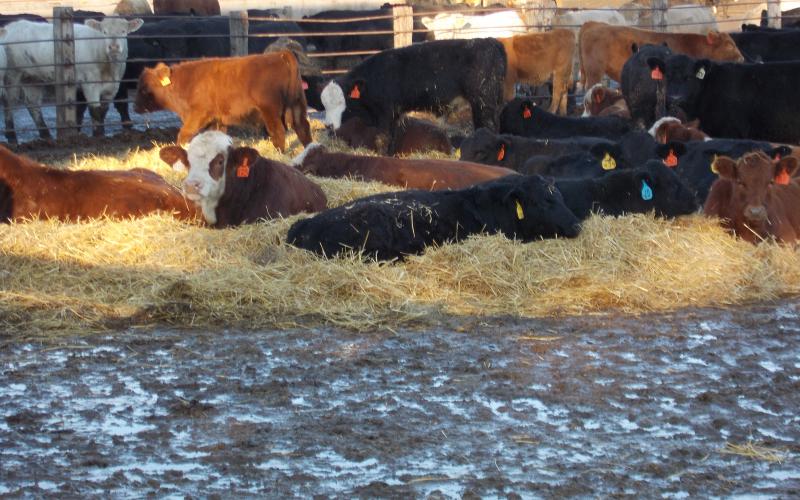
Cattle Bedding and Food Safety
When most people think of farm animals, a picture of Old MacDonald’s Farm likely comes to mind with fluffy, bright yellow piles of straw in and around a barn. Cattlemen may look at bedding as just another chore along with feeding, watering, and doing health checks that promotes the well-being of the animals to grow and produce high quality food.
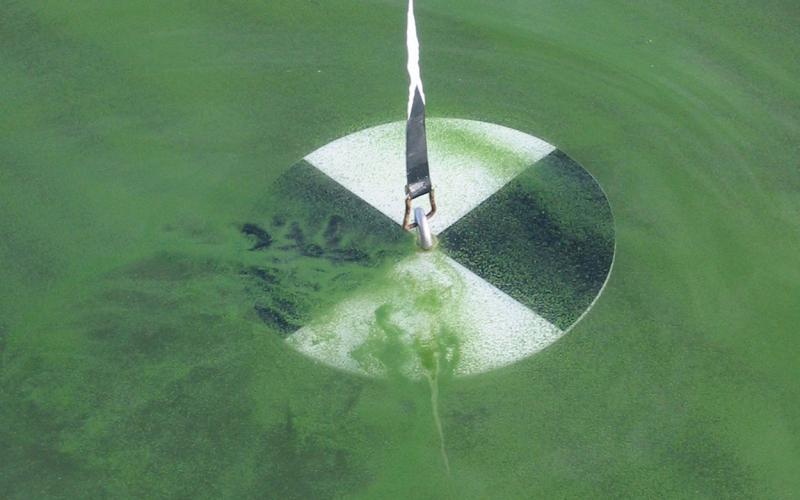
The Trophic State Index
The Trophic State Index is a means for lake professionals and volunteers alike to numerically measure the productivity of a natural lake or man-made reservoir. Learn how it's used in South Dakota to survey the condition of our water resources.
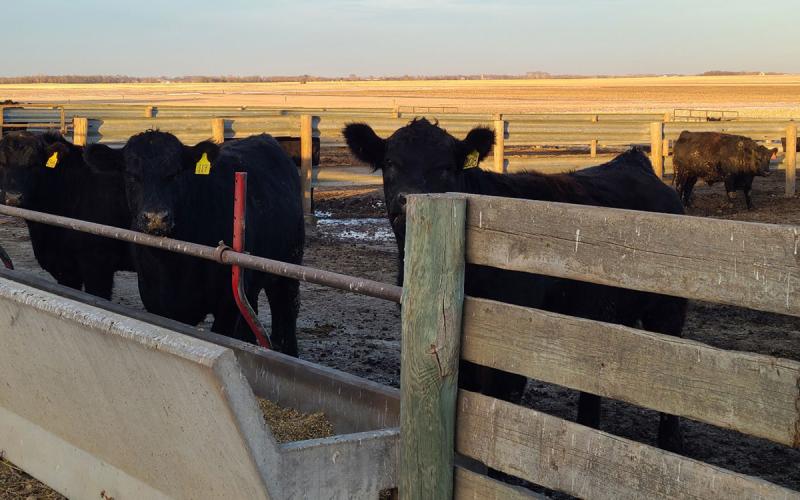
Beef Cattle Budgets
What does it cost to maintain a cow for the year? This is a common question asked by producers across the nation.