Search
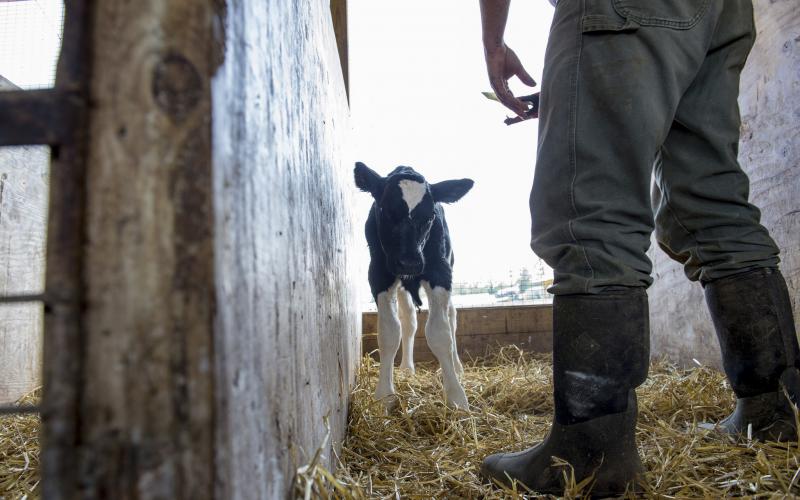
How did a Poultry Germ Change to Cause Severe Disease in Calves and People?
In 2015, a specific strain of a germ called Salmonella heidelberg made 56 people sick in 15 different states.
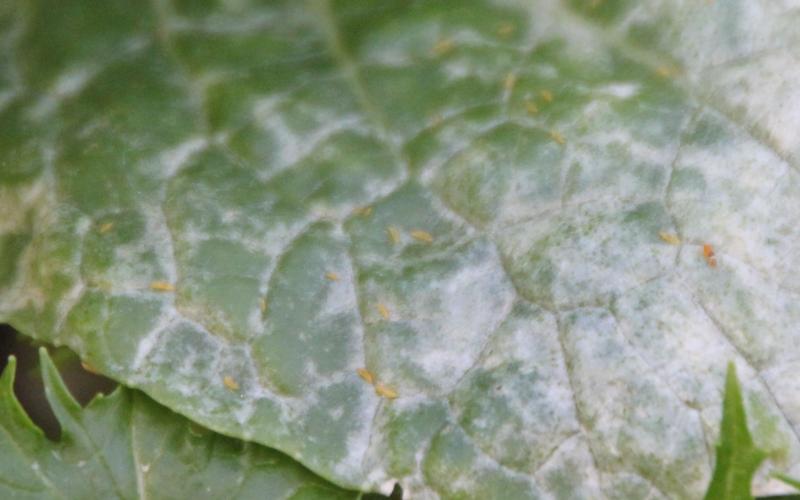
Watch Out For Houseplant Pests
Aphids, mealybugs, whiteflies and scale may be the most common insect pests that you will find on your houseplants but there are several other pests and problems you should watch out for.
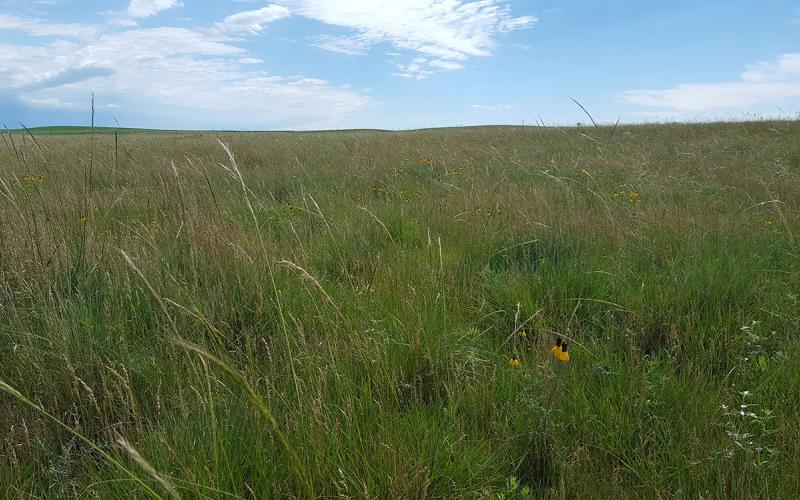
Grassland Fertilization: Ecology
In the first article in this series, we discussed basic terminology and economics. This article focuses on the ecological impacts of fertilization in various grassland plant communities, including native rangelands and prairies.
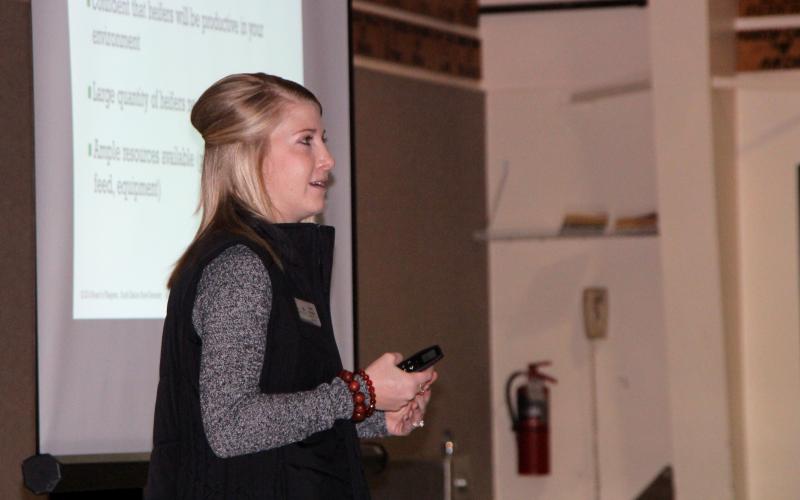
Finding Females for the Cowherd
The type and kind of females chosen for your cowherd is an important decision that can have long-term implications and great impact on the economic viability of the operation.

State Shoot Preparation: Archery
View quick tips for 4-H members competing in archery at the state shoot.

4-H County Achievement Days and County Fair Schedule
SDSU Extension's South Dakota 4-H program will be hosting county fairs and achievement days across South Dakota beginning in July 2026.

Requirements for Food Entrepreneurs Selling Food in South Dakota
Throughout the country and in the state of South Dakota, people are showing more interest in selling their own food products and starting their own business

Tools for Effective Medication Management
Do you or a loved one have a difficult time managing your medications?

What can the construction industry learn from the motion picture industry?
Many of us take for granted the rating system used to indicate the appropriate audience for movies in the U.S. The interesting thing is that movie creators have no legal requirement to follow the Classification and Rating Administration (CARA) guidelines. Yet, they do.
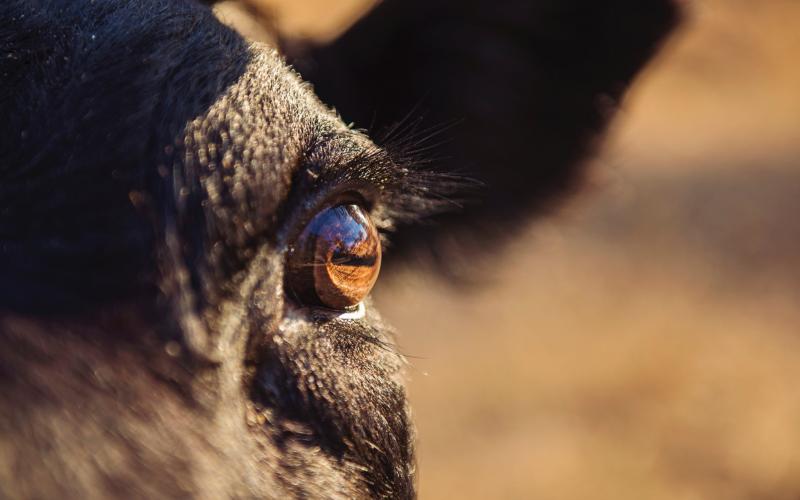
Anthrax: Vaccination Considerations
Anthrax is caused by bacteria, Bacillus anthracis, which has the ability to form very resistant spores in the soil. These spores can remain viable for many years on pasture, and become reactivated when the right environmental conditions exist. Fortunately for cattle producers, losses due to anthrax can be prevented through use of a vaccine that has proven its effectiveness through the years.