Search

Helping Kids Cope and Understand Family Stressors
South Dakota and many of our neighboring states experience natural disasters and agricultural family stress. While we know this can cause added stress on adults and parents, don’t forget to visit with your children of all ages and help them cope with the added stress and changes in their routine.
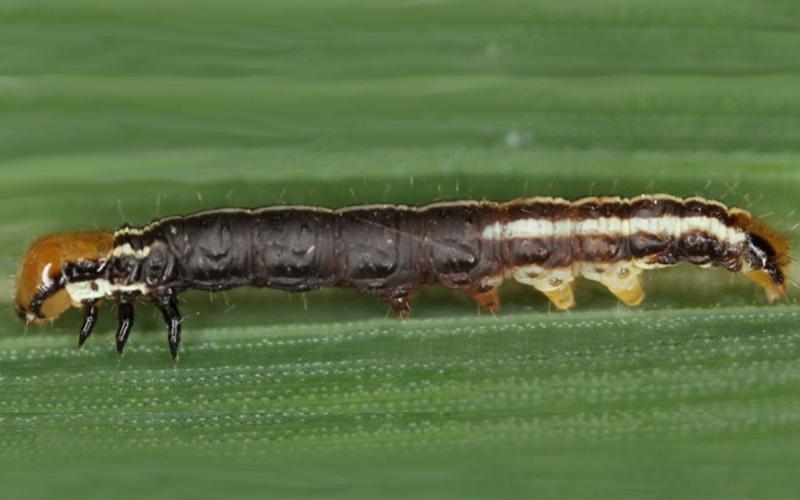
Common Stalk Borer Activity Estimate: May 20, 2021
Warmer weather is finally here. Although we have accumulated quite a few degree days for common stalk borers, nowhere in the state has reached accumulation levels for common stalk borer caterpillar movement into corn fields.
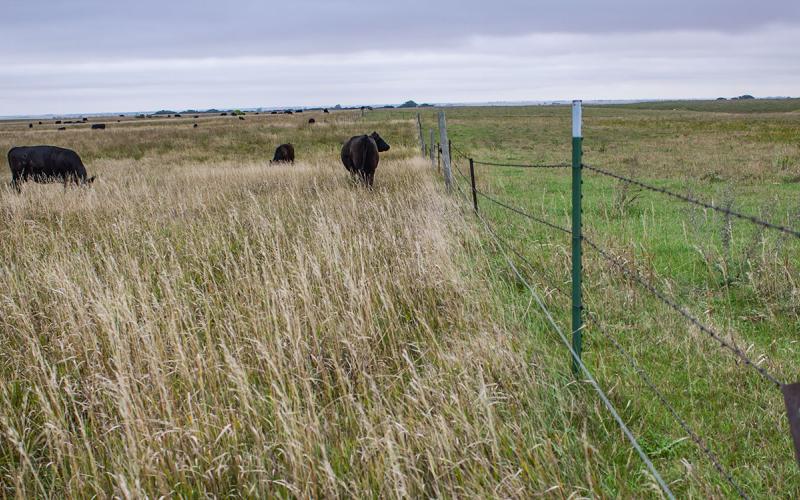
General Principals of Grazing Management
Grazing involves a number of variables, including land carrying capacity, type and distribution of the livestock, water distribution and number of pastures. A combination of proper grazing techniques and grassland management will improve harvest efficiency and lower production costs.
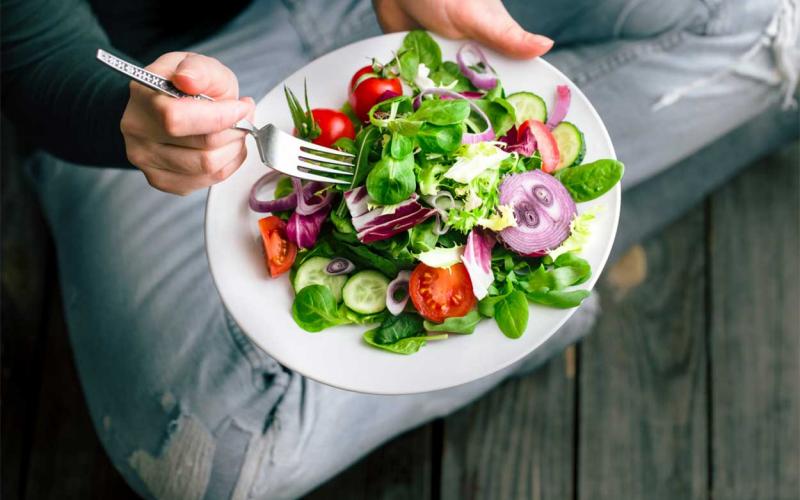
Mindful Eating
The practice of mindful eating has been researched and proven as a tool to improve eating behavior, appetite regulation, weight loss, blood sugar control, heart health, binge eating, stress, and responding to hunger and satiety cues.
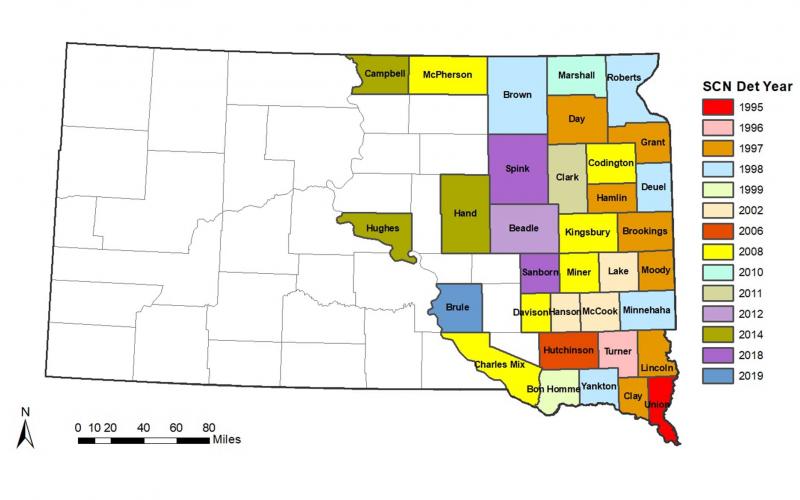
HG Type Testing: A Management Strategy for Soybean Cyst Nematode Control
Have you noticed lower soybean yielding areas in your field? Soybean cyst nematode may be to blame. Fall, and especially after soybean harvest, is the best time to sample soil and have it tested for soybean cyst nematode.
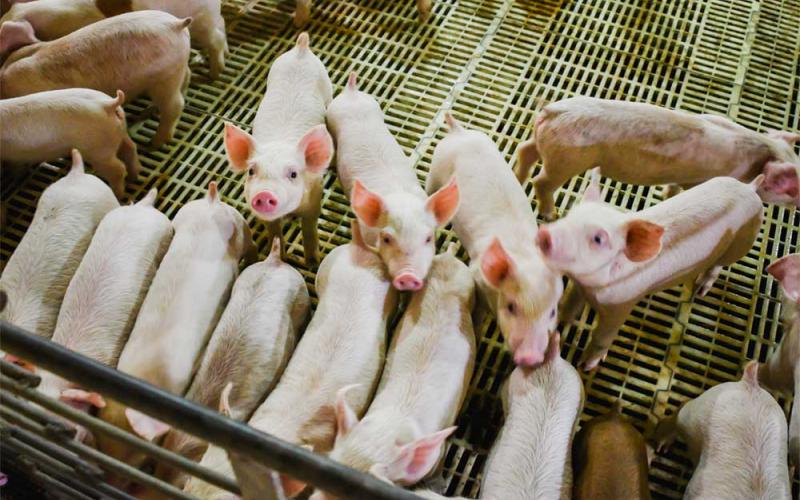
Tribasic Copper Chloride Source Shows Promise in Weanling Pig Performance
One of the many challenges in swine production is getting newly weaned pigs off to a good start. Research has found that tribasic copper chloride supplemented into nursery pig diets can be effective at improving growth performance and intestinal health of weanling pigs.
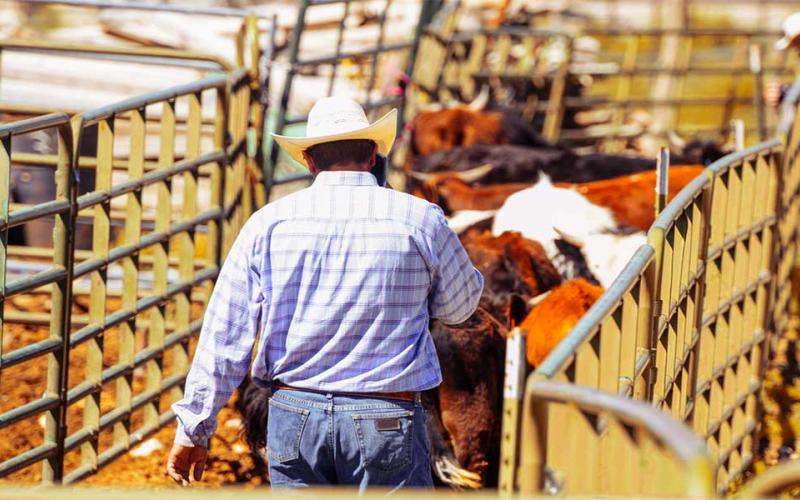
Mycoplasma Bovis in Feedlot Cattle: Treating and Controlling Infections
Mycoplasma bovis is a challenging component of respiratory disease in feedlot calves. Understanding the factors that help it become established is a good first step in formulating a plan with your veterinarian to help diminish its impact on health and productivity.

It’s Okay to Not Be Okay: Farm Stress Assistance in South Dakota
If you are experiencing farm stress or want to help others who are experiencing farm stress, organizations have expanded efforts across South Dakota. Learn about some available resources for seeking assistance.

Intuitive Eating Practices and Strategies for the Holiday Season
Navigating the holiday season without stressing over food choices and not letting stress and anxiety dictate those choices can be difficult. Practicing intuitive eating during this time is a great way to help.
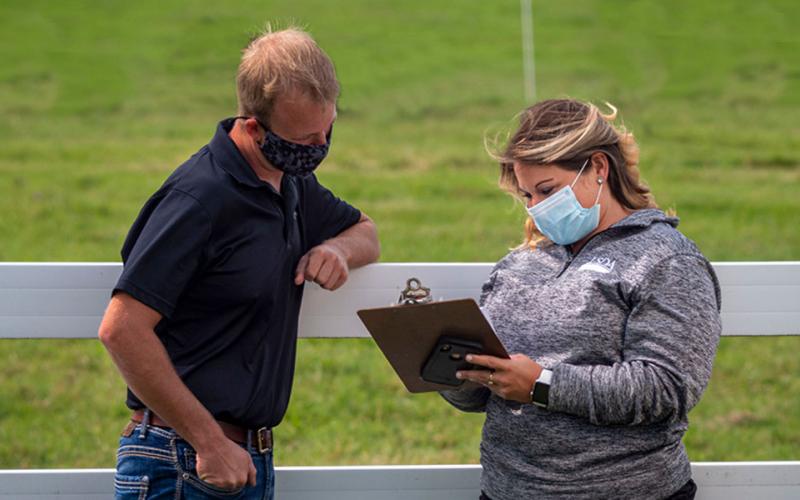
USDA: CFAP 1 Program Payment Benefits to Producers
In examining the USDA Coronavirus Food Assistance Program 1.0 website, we are able to directly see the impact of the program and the payments made to producers across the country.